Leave Your Message

How to Choose a Wireless Rearview Camera?

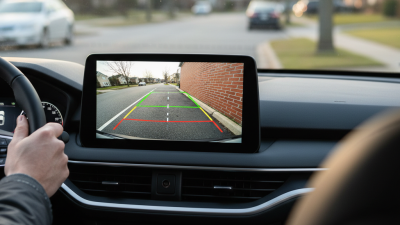
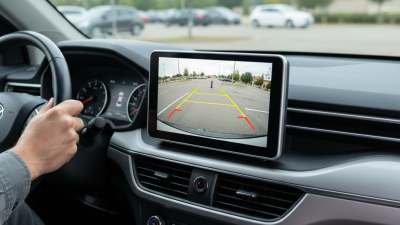
Choosing a Wireless Rearview Camera can seem simple until installation begins. A clear image is only one part of safe, practical performance. Drivers should examine signal stability, viewing angle, night vision, weather protection, and display compatibility. Small details matter.

A reliable Wireless Rearview Camera should maintain a steady connection across the vehicle’s length. Thick panels, metal framing, and nearby electronics can weaken transmission. Ask how the system performs during rain, darkness, and cold mornings. Look for an IP rating, tested operating temperatures, and a camera housing that resists vibration. These features matter more than bright packaging. Image delay also deserves attention. Even a short pause can make reversing feel awkward. Compare documented latency, resolution, and refresh performance when possible. Manufacturer specifications provide a useful starting point, while independent reviews may reveal installation problems. Still, reviews are not always complete.

Fit matters. Some vehicles need professional installation, while others suit a careful do-it-yourself approach. Confirm power requirements and local vehicle-safety rules before purchase. Check warranty terms, customer support, and replacement options. A low-cost kit may become expensive after repeated adjustments. The best choice should support existing mirrors or screens without blocking the driver’s view. It should also preserve normal rear visibility when the camera is unavailable. No camera removes every blind spot. Reflective surfaces can confuse night images, and wireless systems may experience occasional interference. That is worth admitting. Use the camera as an aid, not a substitute for mirrors, slow maneuvering, and direct observation. With measured research and realistic expectations, shoppers can choose equipment that remains dependable beyond the showroom.
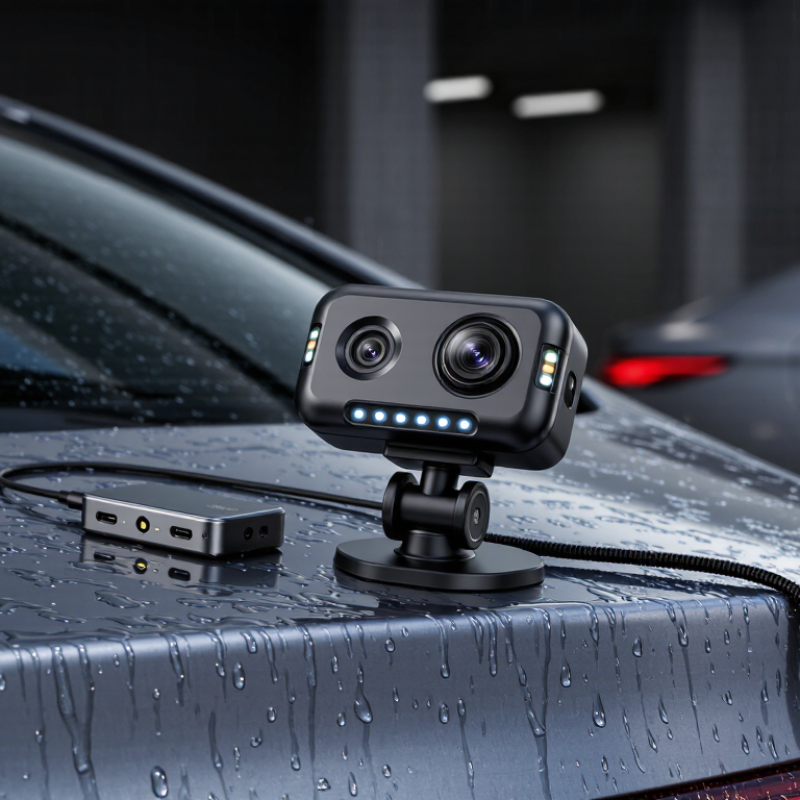
How to Choose a Wireless Rearview Camera?

Define Your Wireless Rearview Camera Needs

How to Choose a Wireless Rearview Camera?

Define Your Wireless Rearview Camera Needs

Start with your daily driving routine, not the camera’s appearance. Do you reverse in a narrow garage, a dark apartment lot, or a busy driveway? These details affect the viewing angle, night performance, and wireless range you need. Measure the distance between the rear mounting point and the dashboard. A long vehicle may need a stronger signal than a small hatchback. I once underestimated this distance and noticed brief image drops near a concrete wall.

Check the camera’s practical specifications carefully. Look for a wide viewing angle, clear low-light images, and weather resistance for rain and road spray. A stable signal matters more than an impressive maximum range. Ask whether the system starts quickly after ignition. A delayed picture can make a simple reversing task stressful. Keep it simple. Also confirm how the camera receives power. Some systems connect to reversing lights, while others use a separate power source. Professional installation may reduce wiring mistakes, especially around moving panels.

Think about your screen habits. A large display can show more detail, but it may distract you from mirrors and direct observation. Test the image during daylight, dusk, and light rain if possible. Read technical documents and independent user feedback, not only sales claims. Wireless systems can still suffer from interference, and no specification predicts every vehicle perfectly. My preference changed after testing one camera in an open lot; it worked well there but struggled beside a metal-sided garage. Your surroundings matter.
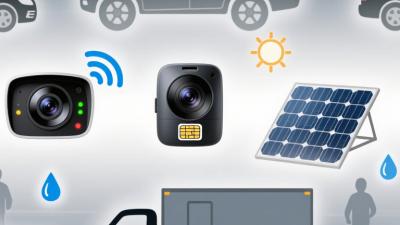
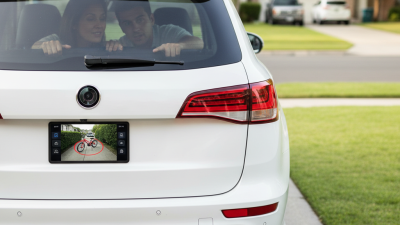
How to Choose a Wireless Rearview Camera? — Define Your Wireless Rearview Camera Needs

Viewing angle is one of the most important requirements when choosing a rearview camera. The chart shows the ideal horizontal coverage width at a distance of 5 meters, calculated using the formula: coverage width = 2 × distance × tan(viewing angle ÷ 2).

A wider viewing angle provides more side-to-side coverage, but extreme wide-angle lenses may introduce image distortion. Choose the angle according to your parking space, vehicle size, mounting position, and required blind-spot coverage.

Compare Camera Types, Signal Range, and Image Quality

How to Choose a Wireless Rearview Camera?

Choosing a wireless rearview camera starts with understanding the camera type. License-plate models offer a clean installation and a low viewing angle. Surface-mounted cameras are easier to adjust on trucks, vans, and trailers. Some cameras use digital signals, while others rely on older analog transmission. Digital systems usually provide clearer images and less interference, but construction materials can still weaken the connection. I once trusted a claimed range without testing the vehicle. That assumption was wrong.

Signal range should match your real parking conditions, not an impressive number on a package. Measure the distance from the camera to the display through the vehicle’s actual panels. Metal doors, tinted glass, and crowded parking areas may reduce stability. A useful system should maintain a steady picture while reversing slowly. Test it near your home first. Watch for brief freezing, delayed images, or sudden black screens. These small faults matter.

Image quality depends on more than resolution. A wide viewing angle helps reveal children, posts, and low obstacles, but excessive width can distort distance. Night vision should show useful contrast, not just bright white glare. Look for clear edges in shadows and readable details near the bumper. Waterproof protection is also important because rain can blur the lens. Clean the lens regularly. Even a high-quality camera performs poorly when dirt covers the glass. Review your choice after installation, because real visibility may differ from specifications.

Check Vehicle Compatibility and Installation Requirements

Choosing a wireless rearview camera starts with vehicle compatibility, not camera resolution. Check whether your vehicle uses a 12-volt system and has a suitable reverse-light circuit. Some vans, trailers, and older cars require an additional power adapter or relay. Read the vehicle wiring diagram before touching any cables. A small mistake can create a screen that stays blank.

Measure the mounting area near the license plate or rear handle. Confirm that the camera angle can show the ground behind the vehicle, not only the sky. Then check the wireless distance between the camera and display. Metal panels, tinted windows, and cargo can weaken the signal.

In practice, wireless does not mean installation-free. You still need stable power at both ends.

Check the display’s input type, pairing process, and operating temperature range. The screen should remain visible in bright daylight and during night reversing. “I once assumed a universal camera would fit every vehicle; the mounting holes were wrong, and the viewing angle became unsafe. That was avoidable.”

Keep the cable away from exhaust heat and moving hinges. Secure loose wiring with proper clips, but leave enough slack near the tailgate. Installation instructions can be incomplete, so verify each connection with a multimeter. Local vehicle rules may also require specific camera placement or image visibility.

Evaluate Power Sources, Weather Resistance, and Night Vision

How to Choose a Wireless Rearview Camera?

Evaluate Power Sources, Weather Resistance, and Night Vision

A wireless rearview camera is only dependable when its power source matches your driving routine. Rechargeable units are convenient, but cold mornings can reduce battery life noticeably. A hardwired camera usually offers steadier operation, though installation requires careful fuse protection and cable routing. Check the camera’s voltage range before connecting it. I once underestimated standby drain and found a vehicle battery weakened after several unused days. That mistake changed how I evaluate parking-mode features.

Weather resistance matters beyond a simple waterproof label. Look for a clearly stated protection rating, sealed connectors, and a housing that resists dust and road spray. The camera may face rain, washing, heat, and freezing temperatures within one month. Inspect the lens after wet trips. Condensation inside the housing is a warning sign. Still, ratings are not magic; poor installation can leave gaps around cable entries.

Night vision should produce useful detail, not merely a bright black-and-white image. Infrared illumination can reveal obstacles, but reflective surfaces may create glare. Test the camera near a wall, parked car, and narrow driveway after dark. Check whether license plates bloom under headlights. A wider view helps, but excessive distortion can make distances harder to judge. I prefer stable exposure and clear edge detail over impressive resolution claims. My judgment is not perfect, especially in heavy rain, so real nighttime testing remains essential.

How to Choose a Wireless Rearview Camera? - Evaluate Power Sources, Weather Resistance, and Night Vision

Camera Configuration Power Source Typical Operating Voltage Weather-Resistance Target Operating Temperature Night-Vision Capability Best Use Case
Hardwired camera with wireless video link Connected to the vehicle’s reverse-light circuit or an accessory power line 12 V DC systems; many vehicles operate between approximately 11 and 15 V IP67 or higher; IP67 provides protection against dust and temporary water immersion Usually about −20°C to 65°C, depending on the model Infrared LEDs with automatic activation in low light; usable range commonly about 5–10 m Daily driving, frequent reversing, and permanent installation
Trailer-mounted wireless camera Trailer battery, running-light circuit, or rechargeable battery pack Commonly 12 V DC for vehicle or trailer wiring; rechargeable units may use lower internal voltages IP67 is recommended; exposed trailer installations benefit from sealed connectors Prefer a rated range of at least −20°C to 60°C Infrared illumination or a low-light sensor; image detail decreases as distance and glare increase Caravans, utility trailers, boats on trailers, and long vehicles
Rechargeable battery camera Internal lithium-ion battery; charging commonly uses USB or a dedicated adapter Internal battery voltage varies; the camera must be charged according to its specified input rating At least IP65 for outdoor use; IP65 protects against dust and water jets but not immersion Often about −10°C to 50°C; battery performance can decline in cold weather Usually infrared or low-light imaging; infrared use can reduce battery runtime Temporary installations, rental vehicles, and users avoiding permanent wiring
Solar-assisted wireless camera Rechargeable battery supported by an integrated or external solar panel Solar charging systems commonly regulate power internally; follow the specified charging voltage IP65 or IP66 for the camera and panel; cable entry points should also be weather-sealed Typically about −20°C to 60°C, but the battery’s temperature rating is decisive Motion-triggered infrared or low-light mode helps conserve stored energy at night Low-use trailers and locations with reliable sunlight
Low-light color camera Usually vehicle-powered through a hardwired connection Typically designed for 12 V DC vehicle electrical systems IP67 is a practical target for exterior mounting Commonly about −20°C to 65°C Maintains color in available light; infrared may switch on when illumination becomes insufficient Areas with street lighting where color information improves object recognition
Infrared night-vision camera Vehicle-powered or rechargeable, depending on installation type Vehicle-powered models commonly support 12 V DC systems IP67 or higher is recommended for exposed rear mounting Often about −20°C to 65°C Black-and-white imaging in darkness; typical infrared distance is approximately 5–10 m Unlit driveways, loading areas, and nighttime reversing
Selection note: Check the camera’s actual voltage, IP rating, temperature rating, wireless transmission range, and night-vision distance before installation. IP ratings describe protection against dust and water; they do not guarantee resistance to high-pressure washing, chemical exposure, or improper connector sealing.

Select the Best Features for Safety, Reliability, and Value

How to Choose a Wireless Rearview Camera?

A reliable wireless rearview camera should deliver a clear image in changing conditions. Look for a wide viewing angle, balanced night vision, and a monitor that remains readable in sunlight. Waterproof construction matters too, especially when rain reaches the camera lens or road spray covers the rear bumper. I have found that stable signal performance is more valuable than impressive specifications on paper. A slight delay can make reversing feel uncertain.

Power design deserves careful attention. Choose a camera with secure wiring, protected connectors, and low power consumption. Battery-powered models may simplify installation, but frequent charging can become irritating. A wired camera usually offers steadier daily performance, although installation takes more patience. Check the monitor’s mounting strength, because a loose screen can vibrate over rough pavement. I once underestimated this detail. It distracted me more than expected.

Tips: Test the image at dawn, midday, and night before judging quality. Park near a wall and check whether the camera shows the bumper edge clearly. Confirm that the wireless range suits your vehicle, especially with metal panels between the camera and monitor. Keep the lens clean. A soft cloth helps. Also, review storage and privacy features carefully, since unnecessary recording may not suit every driver. Reliable safety equipment should be simple to use, but no camera replaces mirrors, direct observation, or cautious reversing.