Top 10 Backup Camera Kit Features You Need to Know?
When considering a Backup Camera Kit for your vehicle, it's crucial to understand the essential features that enhance safety and ease of use. Not all kits are created equal. Some provide clearer images and better durability, while others may lack in these areas. A reliable Backup Camera Kit can significantly reduce blind spots and make parking simpler.
Look for key features like resolution and viewing angle. These elements greatly affect your driving experience. Additionally, consider installation ease and compatibility with your vehicle. Some kits require professional installation, which can add to the overall cost. Reflect on your needs and how the kit aligns with them.
In a world where safety is paramount, investing in a quality Backup Camera Kit is a decision you won’t regret. Yet, it's essential to weigh options carefully. Not every feature will suit your preferences. Take time to research before making a purchase. Your safety on the road depends on it.

Understanding Backup Camera Kits: A Brief Overview
Backup camera kits have become essential in today’s vehicles. They enhance safety by providing drivers with a clear view of their surroundings. Studies show that around 50% of new vehicles come equipped with these systems. This significant adoption highlights their importance in accident prevention.
One key feature of backup camera kits is image quality. High-resolution displays can make a noticeable difference in the clarity of the image. It is essential to consider camera resolution, as low-quality images can lead to dangerous blind spots. Additionally, wide viewing angles are crucial. A wider field of view reduces the chances of missing obstacles. Many kits now offer 170-degree views, maximizing safety.
Another vital aspect is ease of installation. Many consumers report frustration with complicated setups. User-friendly options simplify the installation process. Wireless camera kits have gained popularity due to their convenience. However, they may face reliability issues over time. Regular checks and maintenance are necessary to ensure optimal performance. These discussions raise important questions about reliability in different environments, especially in poor weather conditions. Proper knowledge of these factors is essential.
Top 10 Backup Camera Kit Features You Need to Know
| Feature |
Description |
Importance |
| Camera Resolution |
Higher resolution ensures clearer images for better visibility. |
Essential for safety and accuracy. |
| Field of View |
A wider field of view covers more area behind the vehicle. |
Crucial for comprehensive awareness. |
| Night Vision |
Enhances visibility in low light conditions using infrared technology. |
Important for nighttime safety. |
| Wireless Connectivity |
Simplifies installation and reduces clutter from wiring. |
Convenient for users. |
| Display Screen Size |
Larger screens provide a better viewing experience for the driver. |
Enhances usability. |
| Durability |
Weather-resistant and impact-resistant features ensure longevity. |
Critical for long-term use. |
| Installation Ease |
User-friendly installation saves time and effort. |
Enhances the overall user experience. |
| Guidelines/Lines |
Guidelines on the screen assist in parking and maneuvering. |
Critical for precision when reversing. |
| Compatibility |
Must be compatible with different vehicle models and systems. |
Ensures wider usability. |
| Price |
Cost varies by features and technology level. |
Important for budget considerations. |
Essential Features of a Backup Camera Kit
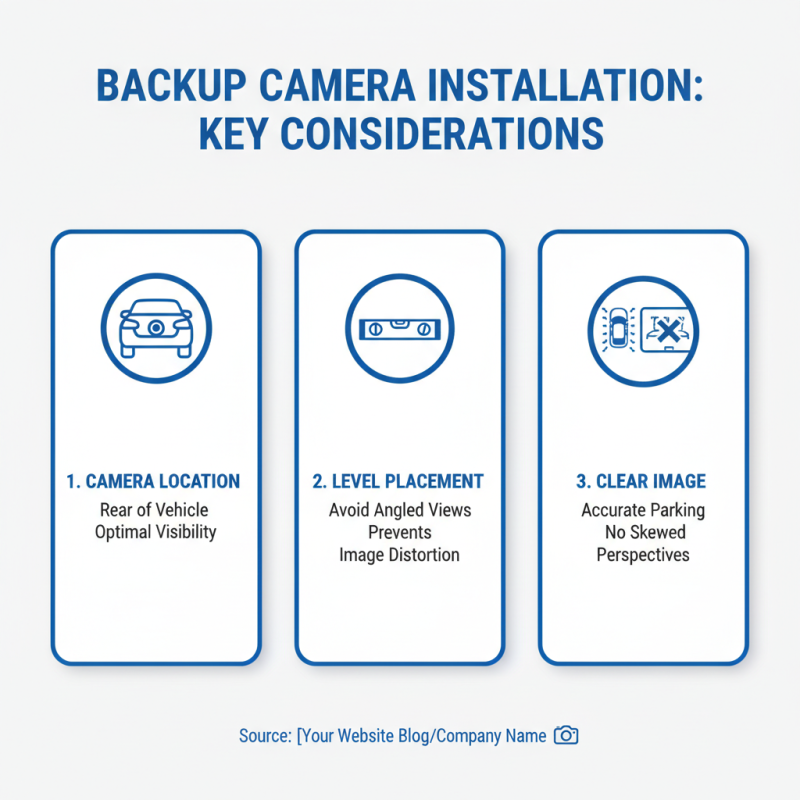
When considering a backup camera kit, it's crucial to understand its essential features.
High-resolution displays are vital.
They provide clear visuals, making it easier to spot obstacles. A wide field of view enhances the ability to detect nearby objects.
It's common to overlook the importance of night vision.
This feature allows for better visibility in low-light conditions, ensuring safety during night-time driving.
Another key element is the camera’s weather resistance.
A durable design can withstand various weather conditions. Many users often forget about the
ease of installation. A straightforward setup can save time and frustration.
Wireless options are also gaining popularity. They simplify the installation process,
reducing clutter from wires.
While features are important, user experience matters, too. Reviews often highlight the inconsistency of performance across different models.
Some may struggle with signal interference or display lag. Potential buyers should seek kits with reliable user feedback.
Choosing a backup camera kit is more than just listing features. It requires careful consideration of how those features align with
daily driving needs.
Comparative Analysis of Display Options for Backup Cameras
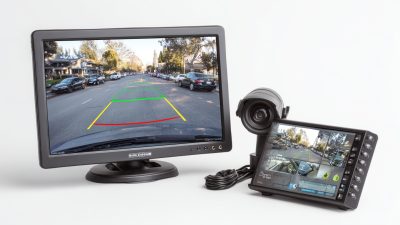
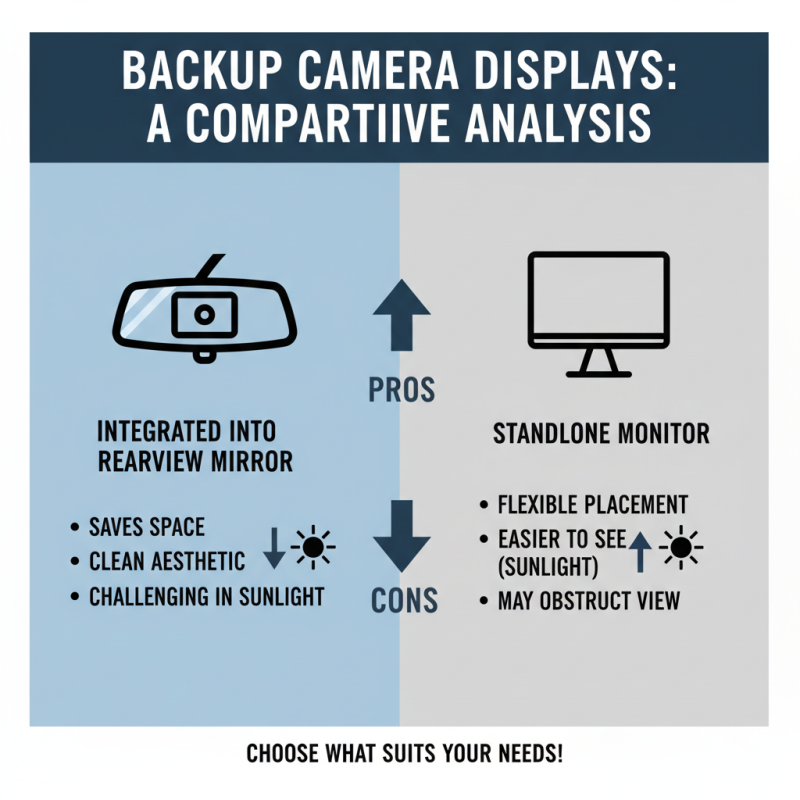
When choosing a backup camera kit, the display options are crucial. The choice between a monitor integrated into the rearview mirror or a standalone screen significantly impacts usability. Integrated displays save space and enhance the car's interior aesthetics. However, they can be more challenging to see under bright sunlight.
Standalone monitors come in various sizes and placements, often providing clearer visibility. They can be mounted anywhere, allowing for more flexible installation. Always check the resolution for clarity. A higher resolution can help distinguish between obstacles better.
Tips: Opt for adjustable brightness settings. This feature ensures the display remains usable in various lighting conditions. Also, consider models with multiple viewing angles. A versatile camera can improve your overall awareness while reversing. Remember, the best kit fits your unique monitoring needs.
Screen size matters too. A larger display can enhance depth perception. But it may obstruct your view if not positioned correctly. Balance is key. Test different options to find what truly works for your driving habits. Your safety and comfort should always lead your choice.
Safety and Regulatory Standards for Backup Camera Usage
Backup cameras have become essential for vehicle safety. Their implementation is not just about convenience; it is significantly influenced by safety regulations. In the U.S., the National Highway Traffic Safety Administration (NHTSA) mandates backup cameras in all new vehicles. This regulation came into effect in May 2018 and aims to reduce backover accidents, which claim around 210 lives per year, according to NHTSA data.
The effectiveness of backup cameras extends beyond their regulatory compliance. Studies suggest they can decrease the risk of accidents by 40% when reversing. However, merely following regulations is not enough. Many manufacturers offer added features, such as parking guidelines and night vision, to enhance safety. Yet, not all systems perform equally well in various conditions. For example, some cameras can struggle with low-light situations, leading to potential blind spots.
Despite advancements, there are still challenges in consistency and reliability. Not every camera setup provides the same field of view or clarity. Drivers may find themselves relying too heavily on these systems. It’s crucial to remember that backup cameras are supplementary tools, not replacements for driver vigilance. Education on their limitations is vital for maximizing safety benefits. A comprehensive understanding can lead to a more cautious approach while reversing, ultimately saving lives.
Top 10 Backup Camera Kit Features
This chart illustrates the key features of backup camera kits based on user preferences and safety standards. The main features include image resolution, night vision capability, ease of installation, field of view, display size, weather resistance, price, brand reputation, warranty, and compatibility with vehicles.