2026 Top Wireless Rearview Camera Features Buyers Need to Know?
In today's automotive market, the demand for a reliable Wireless Rearview Camera is on the rise. Industry expert, Michael Johnson, an engineer at AutoTech Innovations, emphasizes its importance: "A quality wireless system can enhance safety and driving experience." As car manufacturers focus on integrating advanced safety features, wireless rearview cameras have emerged as key technology.
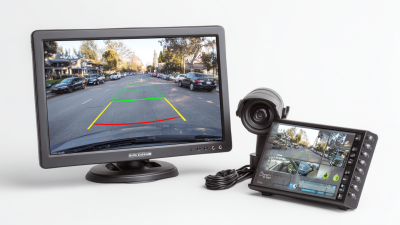
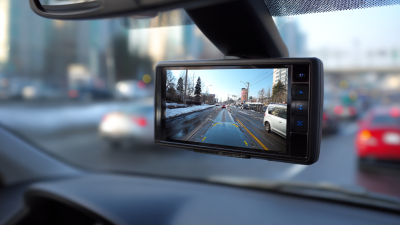
Wireless Rearview Cameras offer convenience and improved visibility. They eliminate the hassle of complex wiring, allowing for easy installation. Drivers appreciate the ability to view a clear image of what lies behind them, reducing blind spots. However, not all wireless systems deliver the same performance. Factors like signal interference can affect the clarity of the camera feed. This inconsistency raises concerns about reliability.
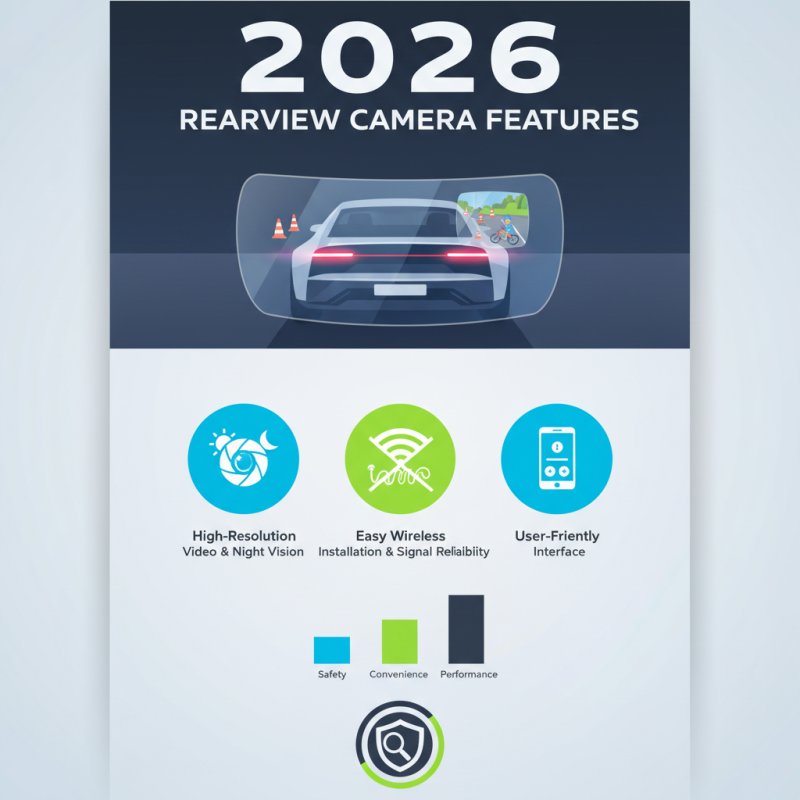
When considering a Wireless Rearview Camera, buyers must explore various features. Look for options with high-resolution video, night vision capabilities, and user-friendly interfaces. Quality matters, as subpar products can lead to frustrating experiences. Always seek products from reputable brands. Remember, a camera’s performance can vary greatly. Take the time to research and choose wisely.
Key Innovations in Wireless Rearview Camera Technology for 2026
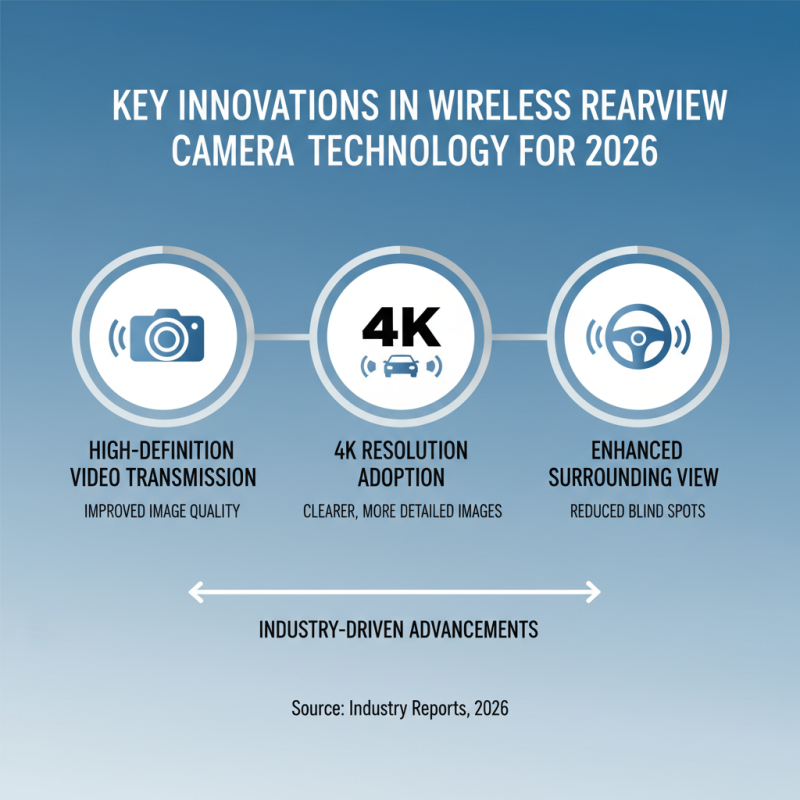
The wireless rearview camera market is blossoming, driven by significant innovations in technology. In 2026, users can expect improved image quality due to advancements in high-definition video transmission. According to industry reports, the adoption of 4K resolution will provide clearer and more detailed images. This shift allows drivers to have a broader view of their surroundings, reducing blind spots.
Additionally, the integration of artificial intelligence (AI) is transforming how these cameras function. AI-based systems now offer features like object detection and predictive alerting. Studies indicate that such technology can decrease accident rates by up to 30%. Although these advancements enhance safety, the reliability of AI interpretations still needs thorough testing.
Wireless connectivity is also evolving. Enhanced Bluetooth and Wi-Fi technologies ensure faster data transmission, with minimal lag times. This improvement will be vital for real-time monitoring. However, users should be aware of potential connection issues in areas with poor signal strength. As technology progresses, these challenges remind us that convenience does not always guarantee flawless performance. Continuous evaluation and adaptation remain essential as we embrace these innovations.
Essential Safety Features of Wireless Rearview Cameras for Enhanced Driving
Wireless rearview cameras are transforming driving safety. In fact, studies show that nearly 30% of all accidents occur while reversing. These incidents underline the importance of having reliable safety features.
One essential feature is high-definition video quality. A clear image enables drivers to spot obstacles effectively. According to a report by the Insurance Institute for Highway Safety (IIHS), high-resolution cameras reduce accidents significantly. Additionally, night vision technology has become increasingly important. Driving conditions can change rapidly. Enhanced visibility in low light can make all the difference.
Tip: When selecting a wireless rearview camera, prioritize models with good low-light performance. Pay attention to the camera's viewing angle. Wider angles provide a better view of blind spots.
Another critical feature is easy installation. Many cameras are designed for hassle-free setup but can still leave gaps in connectability. These gaps can limit functionality. Wireless range and latency are often overlooked but are vital. Effective transmission ensures that the driver receives real-time updates.
Tip: Before purchasing, check installation reviews. They often reveal unexpected challenges. A system with poor connectivity can be a letdown, affecting overall driving safety.
Understanding Wireless Connectivity Options in 2026 Rearview Cameras
When considering the best wireless rearview camera options in 2026, understanding connectivity is crucial. Wireless systems eliminate the clutter of cables, making installation cleaner and easier. However, not all wireless technologies are the same. Familiarize yourself with Wi-Fi, Bluetooth, and dedicated frequencies to select the best fit for your needs.
Wi-Fi connections offer high-definition video but often require robust network strength. Bluetooth provides reliable lower-quality images, ideal for basic rearview functionality. Dedicated frequencies can deliver a stable signal without the risk of interference. Evaluating your environment will help you choose the right system.
Tips: Always look for cameras with adjustable antennas for better reception. Consider how frequently you drive in areas with potential signal disruption. Remember, even with wireless technology, physical obstacles can cause glitches. Testing connectivity before installation can save time and frustration in the long run.
2026 Top Wireless Rearview Camera Features Comparison
Impact of Image Quality and Resolution on User Experience in Cameras
The image quality of rearview cameras significantly shapes user experience. A recent report indicates that 90% of users prioritize clarity in camera images. When driving, having sharp visuals can mean the difference between safety and accidents. Inadequate resolution can obscure critical details, such as pedestrians or obstacles. Most consumers find that cameras offering at least 720p HD resolution provide a good balance between quality and cost.
Experts recommend considering both image quality and frame rate when selecting a rearview camera. A standard 30 frames per second (fps) ensures smooth footage. However, models with higher fps may offer even more precise motion capture. Some users report frustration when dealing with lagging or pixelated images, revealing that not all cameras perform reliably in varied conditions, such as low light or rain.
Research shows that emotional responses tie closely to visual experiences. A camera that delivers vibrant, accurate colors enhances user satisfaction. Yet, many motor vehicle owners encounter challenges with camera installations. Misaligned or poorly positioned cameras can reduce visual effectiveness. This highlights the need for careful installation to optimize user experience.
Market Trends: Growth and Consumer Preferences in Wireless Rearview Cameras
The market for wireless rearview cameras is evolving rapidly. According to industry reports, the global market is expected to grow by over 15% annually, reaching approximately $2.5 billion by 2026. This trend reflects changing consumer preferences, focusing on safety and convenience. Many drivers now prioritize advanced features in their vehicles, such as real-time monitoring and high-definition imaging.
Wireless rearview cameras offer significant advantages. They eliminate the need for complex wiring, making installation easier. Additionally, these cameras enhance driver awareness, reducing blind spots. A notable study showed that vehicles equipped with rearview cameras could lower accident rates by 30%. However, challenges remain. Some consumers express concerns about signal interference, impacting performance.
Another aspect of consumer preference is the desire for user-friendly interfaces. Many users favor easy navigation and clear displays. Yet, with such technology being relatively new, buyers often face difficulty in understanding specifications. The lack of standardization in product features can lead to confusion. As consumers continue to seek reliable information, manufacturers must address these gaps for better decision-making.