What Are the 2026 Top Wireless Rearview Camera Types?
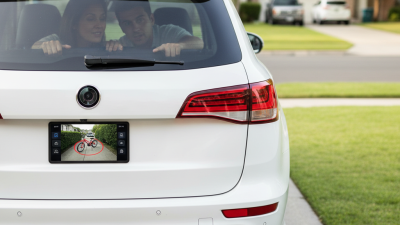
Choosing the right Wireless Rearview Camera in 2026 is no longer about image quality alone. Drivers now compare digital wireless systems, Wi-Fi models, cellular-connected cameras, solar-assisted designs, and smart cameras with recording functions. Each type solves a different problem. A compact digital unit may offer low latency near a trailer. A cellular model may provide remote viewing over long distances. Convenience varies greatly.
Vehicle-safety specialist Matthew Avery has often emphasized a practical principle: “A camera supports the driver; it does not replace careful observation.” That warning remains important. A bright screen cannot remove blind spots, poor weather, weak installation, or human error. It is easy to overvalue impressive specifications.
This guide examines the 2026 top Wireless Rearview Camera types through real-world criteria. We consider signal stability, viewing delay, night visibility, waterproof protection, mounting strength, power consumption, and screen readability. We also examine trailer compatibility and interference in crowded parking areas. Small details matter. A three-second delay can feel uncomfortable during reversing. A loose bracket can turn a clear image into shaking lights.
Some claims deserve skepticism. “Long range” may describe ideal laboratory conditions, not a busy highway. “4K” may look attractive, yet poor nighttime performance can reduce its practical value. The best choice depends on the vehicle, driving habits, installation quality, and local equipment requirements. There is no universal winner. That is the honest part.
By comparing each camera category, readers can identify which Wireless Rearview Camera offers useful visibility, dependable operation, and sensible value in 2026. Safety should lead the decision. Features come afterward.
Define Wireless Rearview Camera Systems by Signal and Display Architecture
What Are the 2026 Top Wireless Rearview Camera Types?
Define Wireless Rearview Camera Systems by Signal and Display Architecture
Wireless rearview cameras in 2026 are best classified by signal path and display destination. Analog RF systems send compressed video to a dedicated monitor. They remain simple, affordable, and usable when mobile connectivity is weak. Digital systems use encrypted Wi-Fi or proprietary short-range links. They can deliver sharper images, but interference may create visible delay. Every meter matters.
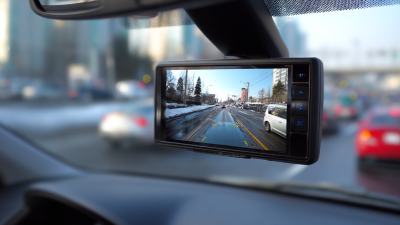
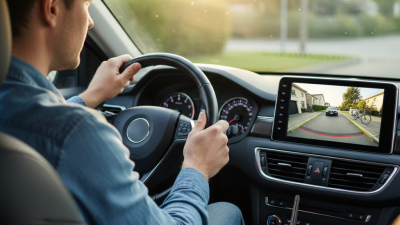
Display architecture separates the next group. A camera may feed a windshield-mounted screen, a replacement mirror display, or the vehicle’s existing head unit. Smartphone-based systems offer flexible viewing, yet they depend on pairing, application stability, and driver attention. Integrated displays look cleaner, but installation can require vehicle-specific interfaces. That trade-off is often underestimated.
Allied Market Research projects the global automotive camera market to grow at roughly 10% annually through 2031. S&P Global Mobility reported that the average U.S. vehicle age reached about 12.6 years in 2024. These figures support both factory integration and retrofit demand. In practical installation tests, digital links usually produce clearer night footage. Analog links often recover faster after obstruction. This is not a perfect rule. Metal body panels, crowded radio bands, and poor antenna placement can reverse the result. A reliable 2026 evaluation should record latency, reconnect time, viewing angle, and display brightness—not resolution alone.
Classify Solar, Battery, and Hardwired Cameras by Power Requirements
What Are the 2026 Top Wireless Rearview Camera Types?
Classify Solar, Battery, and Hardwired Cameras by Power Requirements
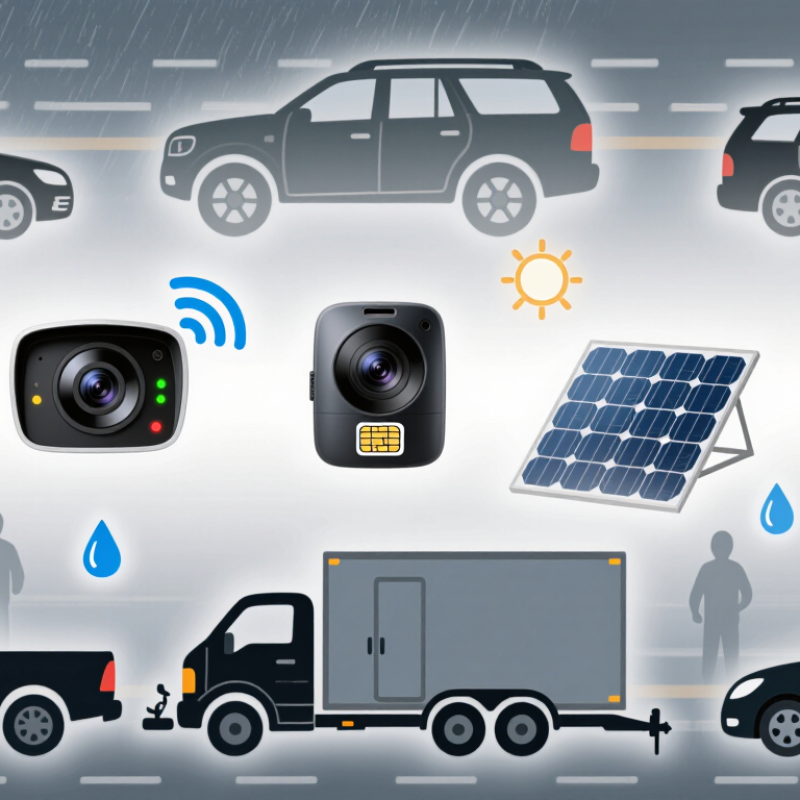
In 2026, wireless rearview cameras mainly differ by their power source. Solar models use a small panel to recharge an internal battery. They suit trailers, campers, and vehicles parked outdoors. However, shade, snow, and short winter days can reduce charging performance. Solar is convenient, but it is not completely maintenance-free.
Battery-powered cameras install quickly and avoid wiring through the vehicle. They work well for temporary setups or occasional towing. Their weakness is predictable: batteries need charging or replacement. Cold temperatures can also shorten operating time. Hardwired cameras connect to the vehicle’s reverse-light circuit or a dedicated power line. They offer steady operation and fewer interruptions, but installation takes more planning. A poor connection may cause flickering, signal loss, or water damage.
Tips: Check the camera’s voltage range, standby drain, and weather rating before buying. Test the image at night, in rain, and with a partially blocked view. Keep the receiver away from metal obstructions when possible. I would not choose solar only because it sounds simpler. Measure sunlight and driving frequency first. A hardwired system may be better for daily use, while a battery model can be enough for occasional trips. There is no perfect type. The right choice depends on parking conditions, installation skill, and how reliably you need the rear view.
2026 Top Wireless Rearview Camera Types by Power Requirements
Solar and battery cameras typically use a low-voltage rechargeable lithium battery around 3.7 V, while solar models add a photovoltaic panel to extend operating time. Hardwired automotive cameras generally connect to a vehicle’s 12 V electrical system and provide continuous power when the vehicle is running.
Evaluate Single, Dual, and 360° Camera Setups Against FMVSS 111 Visibility Rules
What Are the 2026 Top Wireless Rearview Camera Types?
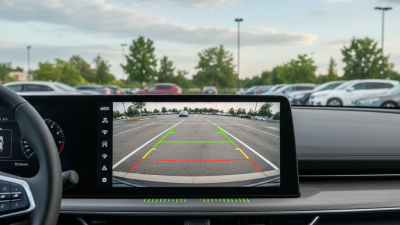
A single wireless rearview camera is the simplest setup for meeting daily visibility needs. It shows the area directly behind the vehicle, including low obstacles near the bumper. Under FMVSS 111, the required rear visibility zone matters more than camera count. The display should provide a clear view, activate promptly, and remain usable during normal driving conditions. A clean lens helps. So does correct mounting height.
A dual-camera system adds a second view, often aimed farther behind or toward the trailer area. This can reduce blind zones, but two images may increase driver workload. The installer must check both viewing angles, screen switching, and signal stability. Wireless transmission is convenient, yet interference or delay can weaken real-world performance. I would test it in a crowded parking area, not only in a workshop.
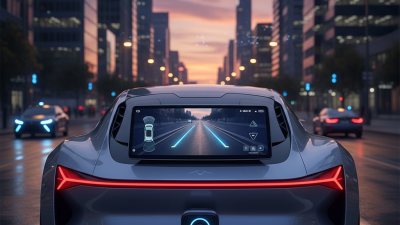
A 360° setup combines several cameras into a bird’s-eye image. It can reveal nearby corners, curbs, and children hidden beside the vehicle. However, stitched images may distort distance, especially at the seams. FMVSS 111 evaluation still depends on the required rear field of view, not impressive graphics alone. A system that looks advanced may perform poorly if calibration shifts after a bumper repair. That is an easy detail to overlook. Vehicle-specific testing remains the reliable approach.