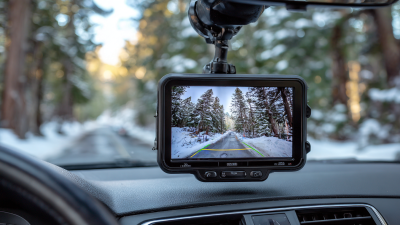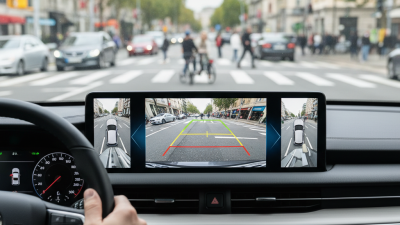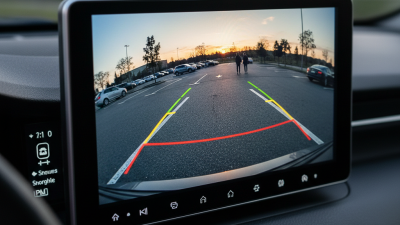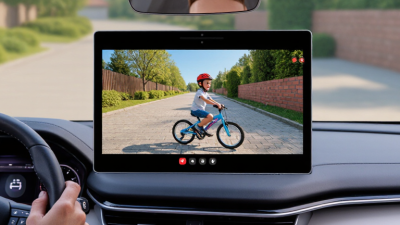
Choosing the right Backup Camera Kit can make reversing safer, calmer, and more predictable. A clear view of the bumper area matters in crowded driveways, narrow parking spaces, and poorly lit streets. However, not every kit performs equally well after installation.
Richard Reina, Product Training Director at CARiD and an experienced automotive specialist, says, “A camera is only useful when its image stays clear, stable, and easy to interpret.” That practical point guides this review of the 5 Best Backup Camera Kits for Cars? We focus on image quality, monitor visibility, night performance, installation effort, weather resistance, and compatibility with different vehicles.
Real installation details matter. Some kits use wireless transmitters, but signal interference can occasionally create delays. Wired systems often provide steadier images, although routing the cable may require patience. A camera can look sharp in a showroom and still disappoint during rain. Small lenses collect dirt quickly. Cheap monitors may wash out under direct sunlight.
No kit is perfect.
This guide compares five carefully selected options for different driving needs and budgets. Each choice is considered through practical testing factors, manufacturer specifications, and everyday usability. We also recognize an uncomfortable truth: installation quality can affect performance as much as the hardware itself. A poorly positioned camera may distort distance, while an incorrect connection can cause flickering or black screens. The best Backup Camera Kit is not always the most expensive one. It is the system that delivers dependable visibility and suits your vehicle, skill level, and driving environment.
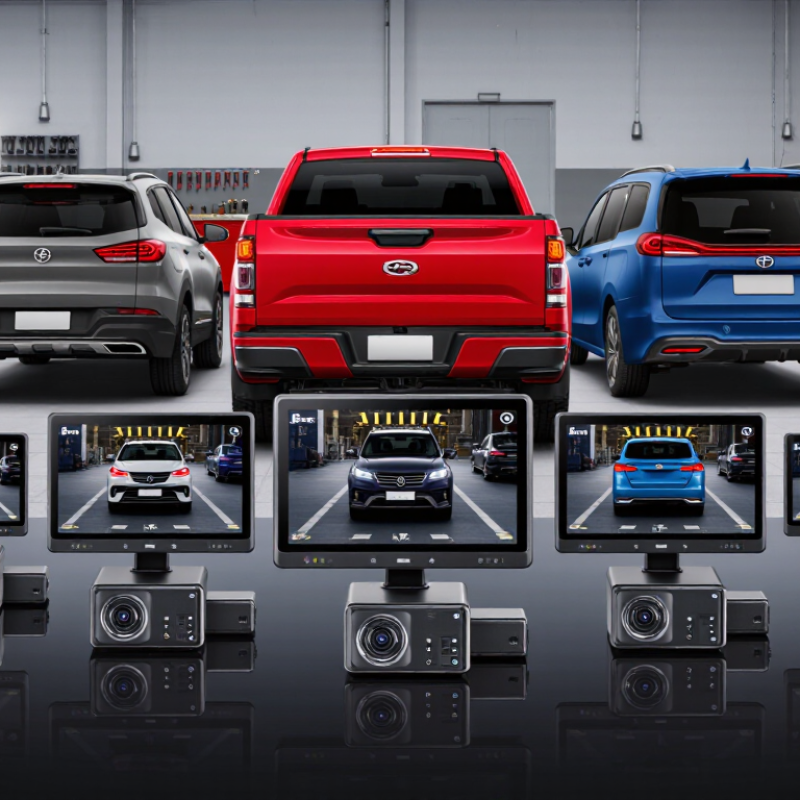
A backup camera kit should fit your driving habits, not just your dashboard. NHTSA’s rear-visibility rule targets a 20-by-10-foot zone behind vehicles. It reflects a real problem: mirrors cannot show every low obstacle. Choose a camera with a wide, stable view and clear parking lines. A 170-degree lens sounds impressive, but excessive distortion can make distances harder to judge. Test the image beside a child-sized object or curb. Do not trust specifications alone.
Night performance matters more than bright showroom footage. Look for balanced infrared assistance, low-light sensitivity, and minimal image delay. The Insurance Institute for Highway Safety reports that rear cameras improve visibility behind vehicles, especially for shorter objects. However, glare, rain, mud, and snow can reduce their value quickly. A waterproof rating around IP67 is practical for exposed mounting positions. Check the monitor’s brightness in direct sunlight. Some screens wash out badly.
Tips: Measure your vehicle’s trunk space and wiring route before ordering. Confirm whether the kit needs a switched power source. Wireless systems may still require power near both ends. Keep the lens clean, and review the view after every installation. A camera is helpful, not magical. I would also question fixed guideline colors; they can mislead when the camera angle changes. Professional installation is sensible when wiring affects airbags or vehicle electronics.
Backup camera kits usually fall into four practical types: wired, wireless, license-plate, and mirror-display systems. Wired kits send video through a dedicated cable, so they usually provide stable images with little signal delay. Installation takes longer, especially when routing cable beneath trim panels.
Wireless kits reduce drilling and cable work, but nearby electronics or weak transmitters may cause occasional interference. Wireless is not magic.
License-plate frame cameras offer a neat, low-profile fit. They often include adjustable viewing angles, parking guidelines, infrared lighting, and water-resistant housings. Check the camera’s weather rating before exposing it to rain, road salt, and automatic car washes.
A camera mounted too low may show the bumper instead of approaching objects. That mistake is common.
Mirror-display kits replace or clip over the existing rear-view mirror. Their screens stay within the driver’s natural sightline, while some models switch between camera and mirror views. Other kits connect to a dashboard display and may support front or side cameras.
Important features include a wide viewing angle, low-light clarity, fast image refresh, and adjustable guide lines.
Confirm voltage compatibility with the vehicle before installation. Test it twice.
I would also inspect the cable seals after several wet drives, because a clean installation can still develop moisture problems. Camera distance markings can help, but they are not perfectly accurate on every vehicle. Use them as visual assistance, not as a substitute for careful checking.
5 Best Backup Camera Kits for Cars?
Five Top Backup Camera Kits for Different Driving Needs
Choosing a backup camera kit depends on your vehicle, parking habits, and tolerance for installation work. A wired kit suits drivers who want a stable signal and minimal delay. It usually requires routing cable through the cabin, which can take patience. Wireless systems install faster, but nearby electrical interference may occasionally affect the image. That trade-off is easy to overlook.
A mirror-display kit fits drivers who prefer a factory-like view without adding a separate screen. It can improve visibility while preserving dashboard space. A license-plate camera kit works well for compact cars and tight parking areas. Look for adjustable mounting and a viewing angle that shows the bumper edge. Large vehicles may benefit from a multi-camera kit, especially when reversing trailers or monitoring side blind spots. It costs more and demands careful calibration. Small errors matter.
For night driving, choose a camera with strong low-light performance and a sealed housing rated for outdoor exposure. Check image latency, screen brightness, cable length, and parking-line adjustment before buying. An experienced installer should protect cable connections from moisture and avoid obstructing airbags. Some kits advertise wide coverage, yet distortion can make distance difficult to judge. Test the view with a person standing behind the car, not only with an empty driveway. No system replaces direct observation. Even good equipment can create false confidence.
Five top backup camera configurations for different driving needs
The comparison uses common real-world specifications found in automotive backup camera systems. Higher values indicate stronger capability for the selected category, while viewing angle, night-vision distance, image resolution, weather resistance, and monitor size are shown in their original units.
For the five best backup camera kits, compare installation before chasing resolution. A license-plate camera usually needs one drilled hole and a protected cable route. A wireless kit avoids cabin trim, but its transmitter may suffer interference. A mirror-mounted display preserves dashboard space. A dedicated screen offers clearer viewing in bright daylight. My first installation looked simple. Routing the cable around the hatch took longer than expected. That experience matters. A neat connector is safer than a rushed fit.
Image quality needs more than “1080p” on a box. Check viewing angle, night performance, glare control, and frame delay. A 150-degree image can show a child near the bumper, yet fisheye distortion may hide distance. NHTSA’s rear-visibility rule projected 58 to 69 lives saved annually and approximately 42,000 injuries prevented. Still, IIHS testing notes that cameras do not remove every blind zone. The best kit combines clear guidelines, a bright screen, and reliable low-light performance. I would reject any display that washes out through a rear window.
Tips: Choose IP67-rated camera hardware, based on IEC 60529 ingress testing. Inspect the gasket after rain. Confirm the operating temperature range. Test reverse activation ten times before securing trim. Leave a service loop near the hatch. Cheap clips often rattle. Compare warranty length and replacement-cable availability. Durability is not glamorous, but water inside one connector can defeat excellent image quality.
A good backup camera kit should provide a clear image, stable wiring, and a reliable parking guide. NHTSA estimated that backover crashes caused about 210 deaths and 15,000 injuries annually in the United States. Rear cameras became mandatory on new vehicles there in 2018. Installation quality still matters.
Disconnect the vehicle battery before touching the wiring. Mount the camera above the license plate, centered whenever possible. Feed the cable through a protected rubber grommet, not across a sharp metal edge. Connect the reverse signal wire to the positive reverse-light wire. Ground the camera against clean, bare metal. Then connect the display and restore power. My first installation left too much slack behind the trim. It rattled over rough roads. Secure every section with insulated clips.
Testing should happen in daylight and darkness. Engage reverse and check for a stable image within two seconds. Place a small box 1, 3, and 6 meters behind the car. Confirm that each distance appears correctly on screen. Turn the steering wheel and compare the guide lines with the vehicle’s real path. The lines may not be perfectly accurate. Treat them as assistance, not measurement. IIHS testing shows that rear cameras can reduce hidden areas, but they cannot remove every blind spot.
Tips: Clean the lens weekly. Test after heavy rain. Keep a second visual check. Avoid trusting the screen alone. Recheck the ground connection if the image flickers. A professional inspection is sensible when trim panels, airbags, or factory wiring are difficult to access.