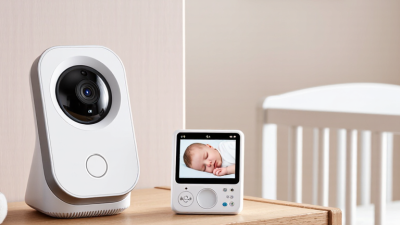
An Infant Monitor helps caregivers observe a baby without standing beside the crib continuously. It may transmit sound, video, movement, room temperature, or breathing information. Some models use a parent unit, while others connect through a smartphone application. Each option solves a different problem.
A basic audio monitor can detect crying through walls. It is often affordable, simple, and less distracting at night. Video models add visual reassurance, especially when a baby sleeps in another room. Wi-Fi versions may offer sharper images, recordings, and remote access. However, they depend on reliable internet and careful account security. Wearable or sensor-based monitors can track movement and breathing patterns. They may provide useful information, but readings can be misunderstood. A medical concern should never depend on a consumer monitor alone.
Choosing the best type depends on your home, routine, and comfort with technology. Check the camera’s night vision before buying. A dim nursery should still show the baby’s face and sleep space clearly. Test the microphone near ordinary household sounds. Look for encrypted connections, strong passwords, software updates, and clear privacy policies. Place every device and cord safely away from the crib. Safety guidance consistently states that monitors support supervision, not replace it.
No device is perfect. False alerts can interrupt sleep, while missed signals may create misplaced confidence. My practical preference is a reliable model with clear controls, stable performance, and only necessary features. The best Infant Monitor is not always the most advanced. It is the one caregivers can use correctly, understand calmly, and check regularly.
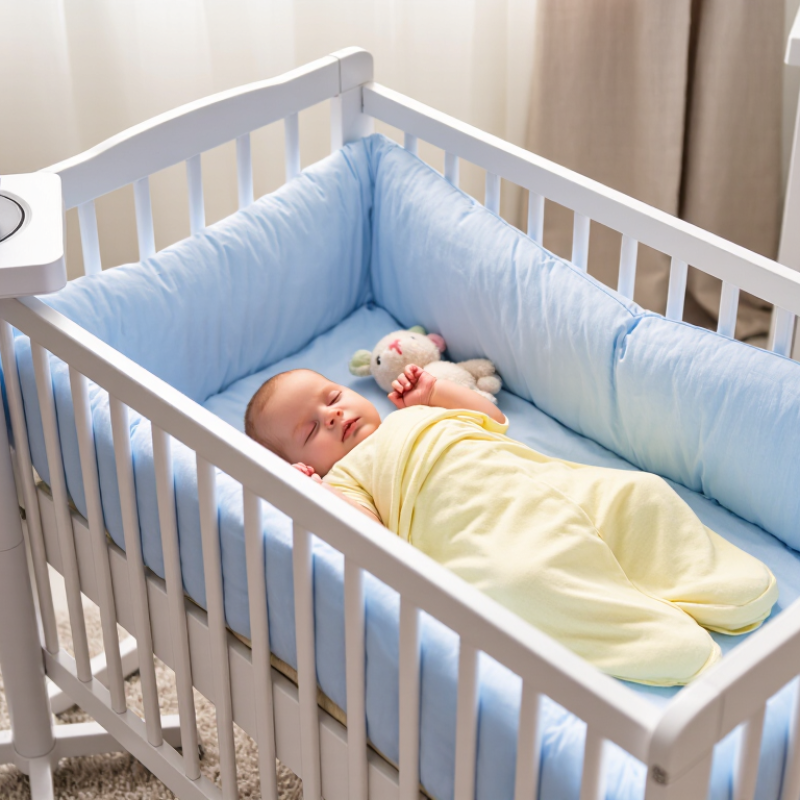
An infant monitor is a home device that observes a baby’s environment from a distance. Its core function is measurement, not diagnosis. Microphones detect crying, movement sensors register changes in position, and cameras show breathing-related motion or facial visibility. Some models also measure room temperature, humidity, heart rate, or blood oxygen.
The distinction matters. Consumer sensors can produce useful signals, but they may misread loose bedding, poor contact, or normal infant movement. The U.S. Food and Drug Administration warns that infant monitors are not proven to prevent sudden infant death syndrome. In 2022, the CDC recorded about 3,700 sudden unexpected infant deaths in the United States. Safe sleep practices remain essential.
A 2024 Grand View Research analysis estimated the global baby monitor market at roughly USD 1.4 billion in 2023. That growth reflects demand for remote reassurance, especially during nighttime caregiving. Yet market growth does not prove medical accuracy. Audio and video monitors suit everyday observation. Wearable models may add pulse or oxygen readings, but parents should treat alerts as prompts for checking, not clinical conclusions. This is where many product descriptions become too confident. A monitor can notice change. It cannot explain every change. Temperature readings also need context, because sensor placement and room airflow can distort results. Caregivers should test alert settings, keep cords away from the crib, and confirm unusual readings directly.
Common measurements provided by infant-monitoring devices
Infant monitors may measure room temperature, relative humidity, ambient sound, and—in some models—breathing rate or movement. The values shown are representative nursery reference readings: approximately 20–22°C for room temperature, 40–60% relative humidity, below 45 dBA for a quiet sleep environment, and 30–60 breaths per minute for a sleeping infant. These measurements use different units and are not intended for direct comparison or medical diagnosis.
An infant monitor helps caregivers observe a baby from another room. Audio monitors transmit crying, breathing sounds, and nearby movement. They are simple, affordable, and often less distracting at night. However, household noise can mask a quiet cry. A clear signal matters more than extra features.
Video monitors add visual information. You can check whether a baby is awake, covered, or near the cot’s edge. Infrared viewing helps in darkness, but poor placement may create blind spots.
Movement monitors detect motion beneath a mattress or near the sleep space. They may reassure tired caregivers, yet false alarms can occur after a baby shifts position.
A monitor should never replace safe sleep practices or regular adult supervision.
Wearable monitors track selected signals, such as movement, skin temperature, or heart rate. Their readings may look precise, but consumer devices are not automatically medical equipment. Fit, battery life, loose clothing, and skin contact can affect results.
I used to think more data meant better care. That assumption needs questioning. Too many alerts may increase anxiety instead of improving sleep.
For many families, audio suits a small home, while video helps when visual checks are frequent.
Movement or wearable systems may suit specific concerns, but caregivers should review independent safety information and follow professional guidance.
Test the monitor before relying on it. Keep cords, sensors, and charging parts away from the sleep area.
What Is an Infant Monitor and Which Type Is Best?
An infant monitor lets caregivers hear, see, or track a baby from another room. Audio monitors offer simple sound alerts. Video models add a view of breathing position, movement, and the sleep space. Some devices claim to measure motion, breathing, or heart rate. Their features can be useful, but their safety value is often misunderstood.
The American Academy of Pediatrics states that home cardiorespiratory monitors do not prevent sudden infant death syndrome, or SIDS. They also should not replace proven safe-sleep practices. SIDS can happen without a warning signal, so a monitor cannot guarantee protection. False alarms may also disturb sleep and increase parental anxiety. A practical concern is easy to miss: watching a screen can create confidence without improving the sleep environment. The safest choice depends on your needs, not the number of sensors.
Tips: Place your baby on their back, on a firm, flat sleep surface. Keep pillows, loose blankets, bumpers, and toys outside the sleep area. Share a room, but not a bed, when possible. Position the monitor safely away from the crib and cords. Test its volume before nighttime use. Check your baby directly when an alert sounds. If breathing, color, or responsiveness seems abnormal, seek emergency medical help immediately. These steps may feel repetitive. They still matter.
| Monitor Type | What It Usually Measures or Shows | Potentially Useful For | Evidence Regarding SIDS Prevention | Important Limitations | Overall Safety Assessment |
|---|---|---|---|---|---|
| Audio Monitor | Transmits a baby's sounds, such as crying, coughing, or fussing. | Hearing when an infant is awake or needs attention while the caregiver is nearby. | No evidence that audio monitoring prevents SIDS. | It does not measure breathing, oxygen level, heart rate, or sleep safety. Sound may be missed or misinterpreted. | Generally reasonable for convenience, but it is not a medical or SIDS-prevention device. |
| Video Monitor | Provides a visual view of the infant and sleep environment; some models include audio. | Checking position, visible hazards, crying, or whether the infant is awake without entering the room. | No evidence that video monitoring prevents SIDS. | A camera cannot reliably identify airway obstruction, oxygen deprivation, or all dangerous positions. Remote viewing may create false reassurance. | Useful for observation only when used with safe-sleep practices and appropriate caregiver supervision. |
| Movement Monitor | Detects movement near or beneath the infant, depending on the design and placement. | May alert a caregiver when expected movement is not detected. | No proven ability to prevent SIDS or reduce SIDS deaths. | False alarms can occur because of position, movement, setup, or technical factors. A movement alert does not diagnose the cause of stillness. | Not a substitute for safe sleep, supervision, or emergency training. Follow product instructions carefully if used. |
| Consumer Vital-Sign or Wearable Monitor | May estimate heart rate, breathing rate, oxygen saturation, temperature, or movement through a wearable sensor. | In limited situations, a clinician may recommend medically appropriate monitoring for a specific diagnosed condition. | No evidence that consumer devices prevent SIDS in healthy infants. | Consumer readings may be inaccurate, alarms may be inconsistent, and abnormal readings may cause unnecessary anxiety or delayed professional care. | Should not be used for diagnosis or treatment unless specifically directed and interpreted by a qualified healthcare professional. |
| Medical Cardiorespiratory Monitor | Clinically selected monitoring of breathing pauses, heart rate, or related measurements for particular medical indications. | Care of selected infants when prescribed and managed by a healthcare team. | Not recommended as a general strategy to prevent SIDS. | Requires professional assessment, training, maintenance, and a clear response plan. It does not remove all sleep-related risks. | Use only for a documented medical reason and under clinical guidance. |
Key Safety Finding
The American Academy of Pediatrics states that home cardiorespiratory monitors should not be used as a strategy to reduce the risk of sudden infant death syndrome (SIDS). No consumer infant monitor has been shown to replace evidence-based safe-sleep practices.
Practices With Stronger Safety Support
Sources: American Academy of Pediatrics, “Sleep-Related Infant Deaths: Updated 2022 Recommendations for Reducing Infant Deaths in the Sleep Environment”; U.S. Food and Drug Administration, safety communications concerning infant monitoring devices.
An infant monitor is an audio, video, or sensor device that helps caregivers observe a sleeping child. It does not replace direct supervision. Grand View Research estimated the global baby monitor market at about USD 1.96 billion in 2023, with continued growth expected through 2030. More products also mean more confusing safety claims. The label alone can mislead.
FDA clearance matters only when a monitor is marketed as a medical device. A cleared pulse-oximetry monitor has undergone FDA review for its specific intended use. Ordinary video monitors are usually consumer products, not FDA-cleared devices. Do not assume medical accuracy from a camera, movement sensor, or breathing alert. That mistake is easy to make.
ASTM F2951 provides performance and safety requirements for infant monitors, including wiring, labeling, and foreseeable hazards. The CPSC advises keeping monitor cords at least three feet from the crib, bassinet, and play yard. Its product-safety guidance also supports secure mounting and regular inspection for damaged cables. These details are practical, not decorative. A 2024 CPSC nursery-products report continues to emphasize injury prevention around sleep environments, although it does not make any monitor risk-free. I would choose verified compliance over extra features. No monitor is perfect. Check the manual, test alerts in daylight, and keep safe-sleep practices separate from technology.
Choosing a monitor starts with age, sleep habits, and room layout. For newborns, audio monitoring may be enough when the crib sits beside your bed. The American Academy of Pediatrics recommends room-sharing without bed-sharing for at least six months. It also reports that room-sharing can reduce sudden infant death risk by up to 50% (AAP, 2022). A camera cannot replace safe sleep practices.
Small rooms often need less technology. A wide-angle camera can cover a nursery with one crib, while a split-view system suits twins or separate sleep areas. Check the mounting position carefully. Cords should remain completely out of reach. For toddlers, movement alerts may help during transitions, but constant notifications can disturb exhausted parents.
Wi-Fi models provide remote viewing, temperature readings, and recorded clips. However, connected devices create privacy obligations. NIST’s IoT cybersecurity guidance recommends unique passwords, secure updates, and data protection controls (NISTIR 8259A). Choose products that explain where recordings are stored and how long they remain available. A local, encrypted monitor may be better for families who dislike cloud storage. I once assumed more sensors meant better care. That was too simple. False alarms can increase anxiety, especially when an alert reflects movement rather than danger. Read the manual, test the signal through walls, and reassess the setup as your child grows.