Why Do You Need a Baby Monitor?
Why Do You Need a Baby Monitor?
A Baby Monitor gives parents a quiet window into the nursery. You may hear a soft cough, see a turned blanket, or notice that your baby has finally settled. These small details matter during exhausting nights. They also support parents who work nearby, recover after birth, or care for more than one child. Grand View Research estimates that the global baby monitor market will continue growing through 2030, driven by video devices, smartphone access, and health-tracking features. This growth reflects real demand, but market popularity is not proof of medical benefit.
Safety still comes first. The American Academy of Pediatrics recommends placing infants on their backs, on a firm, flat sleep surface, without loose bedding. Dr. Rachel Moon and her colleagues state, “There is no evidence that the use of home cardiorespiratory monitors decreases the incidence of SIDS.” That warning deserves attention. A monitor can alert you to sound or movement, but it cannot prevent sudden infant death. It also cannot replace direct supervision, safe sleep habits, or a pediatrician’s advice. Use it as an extra set of eyes.
The right device should offer clear audio, dependable night vision, secure account controls, and sensible alerts. Test it before bedtime. Check the camera angle. Keep cords far from the crib. Avoid treating every notification as an emergency. That can increase anxiety, not confidence. The honest answer is less tidy: a Baby Monitor is useful, but only when parents understand its limits. It should support care, not pretend to provide certainty. Sources include the American Academy of Pediatrics, the CDC’s infant sleep-related death data, and Grand View Research’s baby monitor market analysis.
What Is a Baby Monitor and How Does It Work?
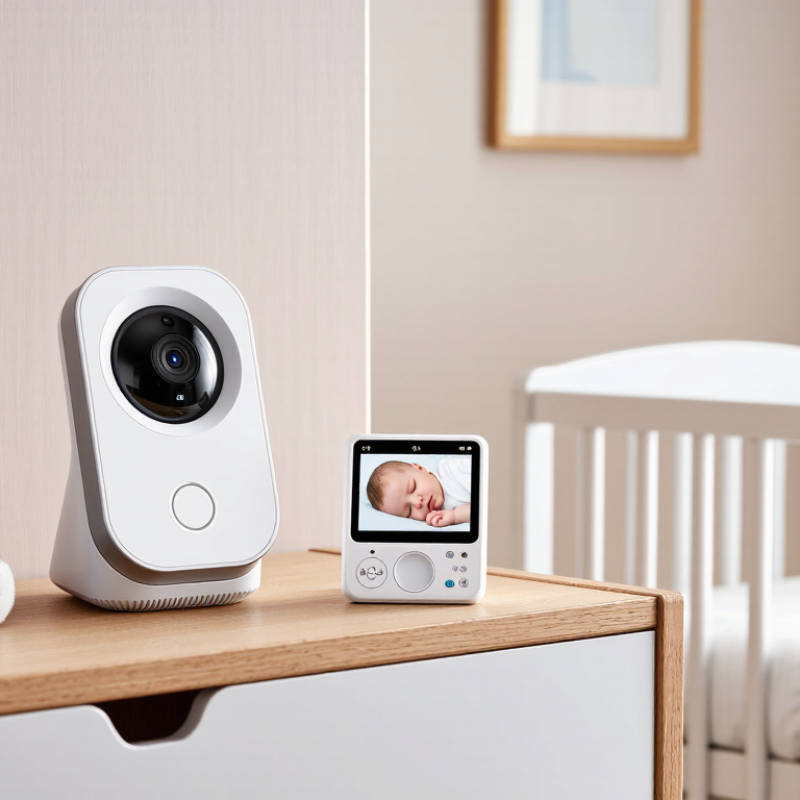
A baby monitor is a small device that helps caregivers observe a sleeping baby from another room. Most models use a camera, microphone, and receiver or mobile application. The camera captures video, while the microphone transmits sounds such as crying, coughing, or gentle movement. Many devices also offer night vision, temperature readings, two-way audio, and motion alerts.
The signal usually travels through a direct wireless connection or a home internet network. A receiver may work without internet, but an internet-connected system can send alerts to a phone. In everyday use, clear audio is often more useful than a sharp picture. A caregiver may hear a baby stirring before seeing movement on the screen. However, alerts can be delayed, and temperature sensors may not reflect the crib area accurately. A monitor supports supervision. It never replaces safe sleep practices or regular checks.
Tips: Place the camera outside the crib and keep cords far from the baby. Test the viewing angle at night. Check the receiver’s battery before bedtime. Use strong account passwords and update the device regularly. I sometimes rely too heavily on technology, so I still listen and look in person. Mistakes happen. A quiet screen does not always mean a sleeping baby.
Key Types of Baby Monitors and Their Main Features
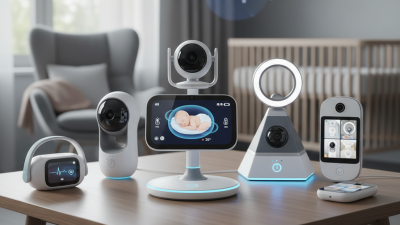
A baby monitor can make nighttime care less uncertain, especially when the nursery is down the hall. The right choice depends on the room, the child’s age, and the information caregivers can use calmly. Audio monitors transmit crying, coughing, or unusual silence through a receiver. They are simple, often affordable, and less distracting than a screen. This may be enough for a small home.
Video monitors add a live image, often with night vision, two-way audio, temperature readings, and zoom. A wide view can help caregivers check a sleeping position or an uncovered blanket. However, temperature sensors may measure the area near the device, not the baby’s exact surroundings. Movement monitors use a mattress pad or wearable sensor to detect motion patterns. Some breathing alerts may support awareness, but they are not medical diagnostic tools. False alarms happen. Check the baby directly.
Smart monitors send notifications to a phone and may record sound, movement, or sleep summaries. These features can help caregivers share duties, yet they also raise privacy and connectivity concerns. Choose strong account protection, clear data settings, and a reliable local option when possible. Test the alert volume before bedtime. Keep cords and devices away from the crib, and follow safe-sleep guidance instead of relying on technology. A monitor watches. It does not supervise.
When a Baby Monitor Is Most Useful in Daily Childcare
Why Do You Need a Baby Monitor?
When a Baby Monitor Is Most Useful in Daily Childcare
A baby monitor is most useful during naps, bedtime, and short periods when caregivers step away. It lets you hear a cough, cry, or unusual silence from another room. Video can also show whether a baby has become uncovered or moved near the crib edge. Small details matter. The American Academy of Pediatrics recommends room-sharing without bed-sharing for at least six months, preferably one year. A monitor supports supervision after caregivers leave the room, but it cannot replace close care.
Daily routines create practical moments for monitoring. During a daytime nap, you might prepare food while checking the sleep space periodically. At night, audio alerts can reduce repeated door opening and unnecessary disturbance. Older babies may stand, climb, or play quietly after waking. A camera can reveal these changes, although watching every movement can increase parental anxiety. That is something I have found easy to underestimate.
Safety limits deserve attention. The AAP states that home cardiorespiratory monitors should not be used to reduce the risk of sudden infant death syndrome. The Centers for Disease Control and Prevention reports about 3,400 sudden unexpected infant deaths each year in the United States. Safe sleep still means a firm, flat surface, a fitted sheet, and no loose bedding. A monitor is an observation tool, not a medical device. It helps. It is not a safety net.
How to Choose and Use a Baby Monitor Responsibly
Why Do You Need a Baby Monitor?
How to Choose and Use a Baby Monitor Responsibly
A baby monitor can help caregivers notice crying, movement, or unusual silence from another room. It cannot replace direct supervision. The American Academy of Pediatrics states that home cardiorespiratory monitors do not prevent sudden infant death syndrome. That warning matters. A screen may show a sleeping baby, but it cannot confirm safe breathing or a safe sleep position.
Choose a monitor with clear video, reliable audio, and strong account security. Change the default password immediately. Use two-factor authentication when available. Keep the camera and cables far from the crib. The U.S. Consumer Product Safety Commission advises keeping cords at least three feet from sleeping areas. Disable unnecessary cloud sharing. Check software updates regularly. These small actions reduce avoidable risks.
Placement matters more than extra features. Position the camera outside the crib, with a full view of the sleep space. Keep the crib empty except for a firm, flat mattress and fitted sheet. The CDC reported about 3,700 sudden unexpected infant deaths in the United States in 2022. A monitor does not lower that number by itself. It is easy to overtrust a screen. I would not pretend otherwise. Listen for alarms, but also check the baby in person when something seems wrong.