Best Infant Monitors for New Parents to Ensure Safety
Welcoming a new baby is both joyful and overwhelming. As new parents, ensuring your infant's safety is paramount. An infant monitor can offer peace of mind, allowing you to keep a close watch on your little one while you manage daily tasks. With various options on the market, parents can find the right fit for their needs.
Many factors come into play when selecting an infant monitor. Features like video quality, battery life, and range matter greatly. Consider a monitor with additional functionalities like temperature sensors or two-way communication for enhanced security. While technology is not infallible, a reliable infant monitor can significantly alleviate anxiety for new parents.
Every family’s requirements differ, making it crucial to reflect on what works best for you. Some may prefer a simple audio monitor, while others lean toward sophisticated video systems. Balancing features with practicality is essential. It’s wise to read reviews and consider expert recommendations to make an informed decision. Finding the right infant monitor can feel daunting, but it’s worth the effort for your child's safety.
Types of Infant Monitors Available for New Parents
When it comes to selecting the best infant monitors, new parents have several types to consider.
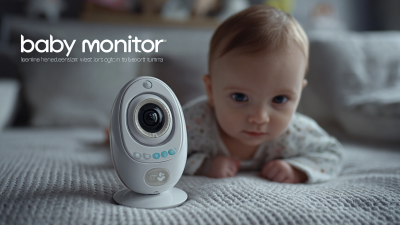
Video monitors offer a visual connection, allowing you to see your baby clearly. Audio monitors are more basic and can alert you to sounds, but lack video capabilities. Some parents prefer movement monitors, which can detect your baby’s movements and alert you if there’s no activity. Each type serves a different need, reflecting your parenting style.
Tips: Choose a monitor that fits your lifestyle. If you're often on the go, a portable option might be best. Video monitors can provide peace of mind but may drain your battery quickly.
Be wary of the range; some monitors don't cover large homes effectively.
Smart monitors blend advanced technology with security features. They can connect to your smartphone, enabling real-time alerts. However, tech glitches can occur. So, always have a backup plan in place. Regular tests ensure your monitor is functioning properly. Remember, the goal is your baby’s safety and your peace of mind.
Key Features to Consider When Choosing an Infant Monitor
When choosing an infant monitor, consider several key features to ensure your baby’s safety.
A reliable audio and video connection is vital. Look for monitors with clear sound and
high-definition video. This clarity helps you respond quickly to your baby's needs.
Many parents find peace of mind in having a night vision feature. It allows for monitoring
in low-light conditions effectively.
Consider the range of the monitor. You want a device that works well throughout your home.
A weak signal can lead to missed sounds or images. Some monitors offer two-way communication.
This feature allows you to soothe your baby from another room. It can be comforting for both the parent and the child.
Battery life is another crucial aspect.
A monitor that needs frequent charging can be impractical. Choose one that offers long-lasting power.
Additionally, pay attention to the size and portability. Some monitors are more convenient for travel.
Not all monitors are easy to set up. Testing ease of use before purchasing can save frustration later.
Benefits of Using an Infant Monitor for Baby Safety
The use of an infant monitor can greatly enhance baby safety for new parents. These devices allow parents to keep an eye on their little ones even from another room. By providing real-time audio and video feeds, they help ensure that parents are aware of their baby's needs. This constant connection can provide peace of mind, especially during nap times or the night.
However, reliance on technology is not without its flaws. Some monitors may experience connectivity issues, leading to missed alerts. Parents should remain vigilant. The monitor should not substitute for physical checks. Still, the advantages are significant. Knowing that a device can signal distress means that parents can respond faster.
Choosing the right infant monitor can also present challenges. Not every model is reliable. Some might have poor video clarity, while others could have short battery life. Parents should research thoroughly and consider professional reviews. Each family's needs vary widely, making personalized assessments essential. In the end, while infant monitors serve as a helpful tool, the human element remains irreplaceable.
Top Recommendations for Infant Monitors in 2023
As a new parent, ensuring your baby's safety is paramount. In 2023, selecting the right infant monitor can be overwhelming. With various features available, understanding what works best for your family is crucial. Look for monitors with reliable video quality and sound. Crystal-clear images can allow you to see your baby's movements clearly, even in low light.
Consider features such as Wi-Fi connectivity and app integration. These can help you monitor your child remotely, but they also require a secure home network. Ensure that your setup is protected with strong passwords. Security is vital, as many devices can be prone to hacking. Regularly check for software updates to maintain safety standards.
Tips: Choose a monitor with multiple functionalities. Some models offer temperature alerts, while others include night vision. Evaluate your needs before settling on a model. Not every feature is necessary for everyone. Reflect on how each functionality can enhance your peace of mind. It's important to trust your instincts when deciding. You know your home environment best.
Infant Monitor Feature Ratings - 2023
Parental Best Practices for Effective Use of Infant Monitors
When using infant monitors, understanding their limitations is crucial. While these devices enhance safety, they are not magical solutions. A survey by the American Academy of Pediatrics shows that 40% of parents report feeling less anxious with a monitor in place. However, over-reliance can lead to false security. Parents must remember that monitors are only tools and should not replace physical checks.
Establish a routine for monitoring your baby. Regularly look at the monitor's feed, but also engage in physical checks. The Pediatric Sleep Council recommends checking on your infant every few hours, even if the monitor indicates everything is fine. This balance ensures that parents stay attentive while utilizing the technology effectively.
It's essential to understand the technology behind these devices as well. Research indicates that 30% of monitor users experience connectivity issues, which can impact safety. Parents should familiarize themselves with their monitor's features and limitations. Read manuals and seek professional advice if needed. Engaging with online parenting communities can provide valuable insights from experienced users. Understanding these tools promotes a safer environment for infants, aligning technology with responsible parenting practices.
Best Infant Monitors for New Parents to Ensure Safety
| Monitor Type |
Key Features |
Range |
Battery Life |
Price Range |
| Video Monitor |
HD Video, Night Vision, Two-Way Audio |
Up to 900 feet |
6-12 hours |
$150 - $300 |
| Audio Monitor |
Clear Sound, Adjustable Volume, Night Light |
Up to 600 feet |
12-24 hours |
$30 - $100 |
| Smart Monitor |
Wi-Fi Connectivity, Smartphone App, Temperature Sensor |
Dependent on Wi-Fi |
8-10 hours |
$200 - $400 |
| Wearable Monitor |
Heart Rate Tracking, Motion Alerts, Real-time Notifications |
N/A |
3-5 days (on device) |
$150 - $250 |