2026 Top Forklift Camera Features Buyers Must Know?
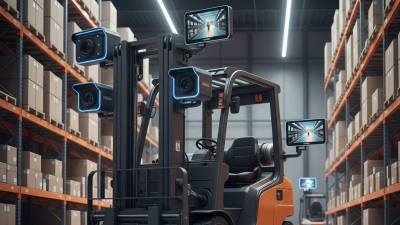
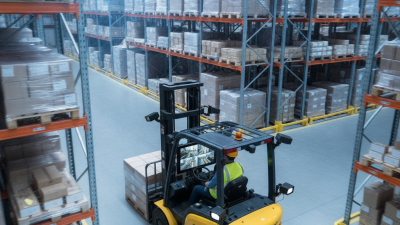
In the rapidly evolving world of logistics, understanding the key features of a Forklift Camera is vital for organizations. As industry expert James Reynolds, a leading authority in warehouse safety solutions, states, "The right camera system can significantly reduce accidents and enhance productivity." With advancements in technology, Forklift Cameras offer various features that can aid visibility and safety on the job site.
These cameras provide real-time footage, making it easier for operators to navigate tight spots. Modern options include night vision, wide-angle lenses, and even two-way audio capabilities. As businesses invest in safety, they must recognize the unique features that can enhance operations and protect employees.
However, the market is saturated with choices, and not all Forklift Cameras are created equal. Buyers need to reflect on their specific needs and how each feature aligns with their operational goals. The challenge lies in distinguishing between essential functionalities and those that are merely gimmicks. Taking the time to assess these options can lead to better decision-making and, ultimately, a safer working environment.
Top Camera Resolution Standards for Forklifts in 2026
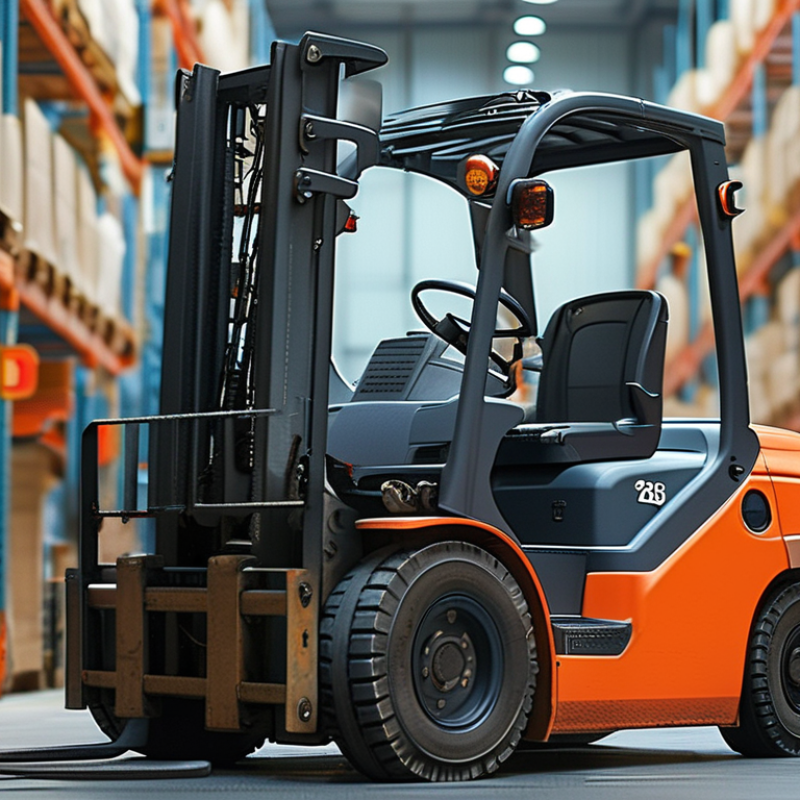
As we approach 2026, the demand for high-quality camera systems in forklifts is surging. Industry reports suggest that 30% of workplace accidents stem from visibility issues in warehousing and logistics operations. Therefore, having a reliable camera system is essential for safety and efficiency.
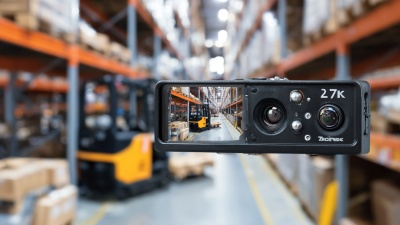
Resolution standards are critical. In 2026, the recommended camera resolution for forklifts will likely be at least 1080p. This resolution ensures that operators can see obstacles clearly, reducing the risk of accidents. Additionally, studies indicate that high-definition cameras can improve load visibility by 50% in challenging environments.
However, not all high-resolution cameras perform equally. Factors like low-light performance and frame rate are often overlooked. It's crucial to choose a system that performs well in various lighting conditions. Some users have reported that while 4K cameras provide sharp images, they can be unnecessary and challenging to process with existing infrastructure. Balancing quality and practicality remains a challenge. Decision-makers must evaluate both the technology and their operational needs carefully.
Essential Field of View Specifications for Forklift Cameras
When considering forklift cameras, the field of view (FOV) is paramount. The ideal FOV varies based on operational contexts. Reports suggest that a minimum of 120 degrees FOV provides adequate coverage. This specification allows for better visibility of blind spots. Evaluating field dimensions can enhance safety on sites with heavy machinery.
However, larger FOVs, such as 180 degrees, may introduce distortion. Understanding this trade-off is crucial. Research indicates that distortion might lead to misjudging distances. Operators must be aware of potential pitfalls. A camera with too broad of a view could compromise precision when navigating tight spaces. Striking a balance between FOV and image clarity is essential.
Additionally, a camera's resolution plays a vital role in usability. A clearer image aids operators in making informed decisions quickly. Identifying obstacles is critical to prevent accidents. Poor resolution can mislead operators, resulting in costly errors. As industries adopt more technology, understanding these features helps avoid pitfalls in safety protocols. Evaluating FOV and image resolution ensures optimal camera performance in challenging environments.
Night Vision Technologies for Forklift Cameras: A Must-Have Feature
In the warehousing and logistics sector, night vision capabilities for forklift cameras are increasingly essential. Research shows that accidents often happen in low-light environments. Reports indicate that up to 40% of forklift-related incidents occur during nighttime. Enhancing visibility with night vision technology can significantly reduce these risks, ensuring safer operations.
Modern night vision systems employ infrared sensors. These sensors improve the camera’s ability to capture clear images in darkness. With advancements in this technology, some cameras can deliver high-definition footage, even in complete darkness. By utilizing such features, operators can navigate effectively and monitor surroundings without interruptions.
Despite these advancements, not all night vision systems are equal. Some may struggle in certain environmental conditions, such as fog or heavy rain. It’s vital for buyers to evaluate specific capabilities and sensitivities.
Investing in a camera that covers a range of scenarios can ensure optimal safety. As the industry progresses, exploring different night vision features remains crucial for forklift operations.
Real-Time Monitoring Systems: Enhancing Safety in Forklift Operations
Real-time monitoring systems have become essential for enhancing safety in forklift operations. These systems enable operators to see live footage of their surroundings. By integrating cameras into forklift designs, operators gain a clear view of blind spots. This improves situational awareness significantly. Operators can make informed decisions quickly. They avoid accidents and potential injuries on the job.
Moreover, these systems often include features like object detection and alerts. They notify operators of obstacles nearby. This technology can be a game-changer in busy warehouses. However, not all systems are user-friendly. Operators may need training to effectively use these cameras. Without proper guidance, the benefits could be diminished.
Real-time monitoring can also reduce equipment damage. With constant surveillance, any issues can be spotted early. However, reliance on technology can lead to complacency. Operators might overlook basic safety protocols. Balancing technology with traditional methods requires careful consideration. Each facility must assess its specific needs and challenges.
Integrating AI Analytics in Forklift Cameras for Operational Efficiency
Integrating AI analytics into forklift cameras enhances operational efficiency significantly. These advanced systems analyze real-time data to improve safety and productivity on the warehouse floor. The cameras can detect obstacles, monitor worker behavior, and ensure compliance with safety protocols. This feature sets a new standard in material handling operations.
Tips for implementing AI analytics may include focusing on system compatibility. Ensure that the cameras can seamlessly integrate with existing warehouse management systems. Training your staff on how to interpret the data can also enhance the benefits of using AI. Engaging your team in safety practices will lead to a more mindful work environment.
It’s important to reflect on the limitations of AI analytics. False positives can occur, which may distract operators or lead to unnecessary delays. Regularly reviewing the camera footage and AI performance is crucial for continuous improvement. Keeping an open channel for feedback helps in refining the system. Prioritizing ongoing assessment can ensure your investment remains effective.