Explore the Best Forklift Camera System for Your Business Needs?
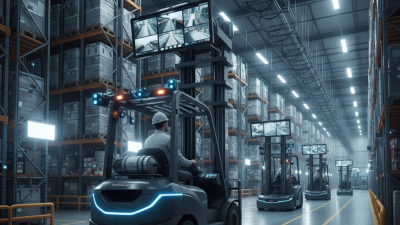
In today's fast-paced warehouse environment, safety and efficiency are paramount. A Forklift Camera System plays a crucial role in enhancing operational safety. With the increasing number of accidents involving forklifts, these camera systems provide real-time visibility and added security.
When selecting the best Forklift Camera System for your business, consider your specific needs. Do you require a 360-degree view? Are nighttime capabilities essential? Each operation is unique, and choosing the right system can feel overwhelming. Not every system will fit your requirements perfectly. Reflection on the best practices during implementation is crucial.
Investing in a quality Forklift Camera System shows your commitment to safety. However, technology alone cannot solve all problems. Regular training for operators is equally important to maximize the system’s effectiveness. Balancing technology with operator expertise creates a safer and more efficient work environment.
Understanding the Importance of Forklift Camera Systems for Safety
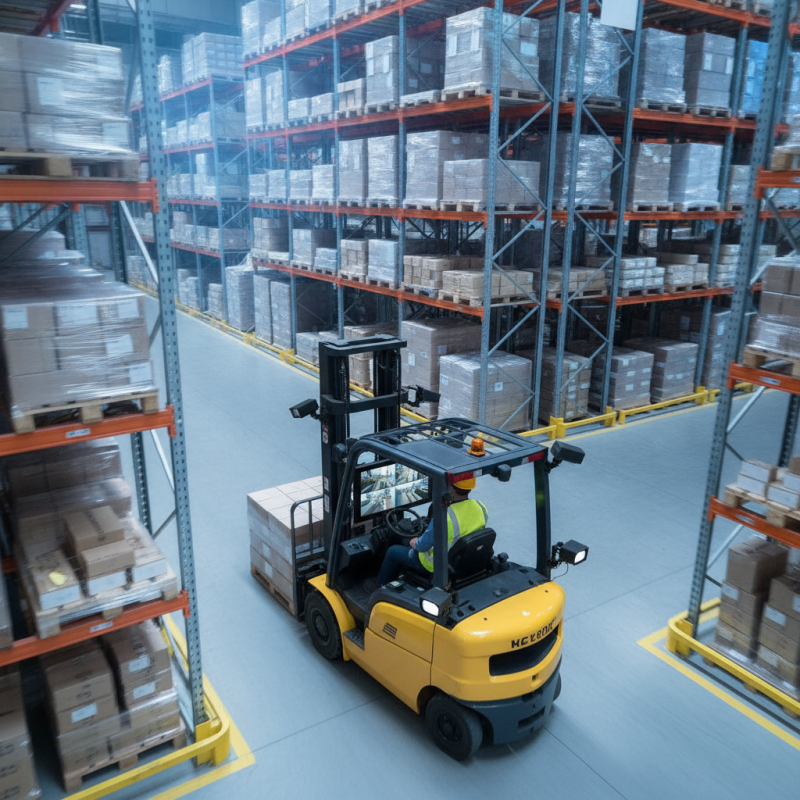
Forklift camera systems are crucial for enhancing safety in warehouses and industrial sites. According to the Occupational Safety and Health Administration (OSHA), nearly 20,000 injuries occur in forklift-related incidents each year. These statistics highlight the need for solutions that improve visibility and reduce blind spots. A well-placed camera can significantly mitigate accident risks, providing operators with a clear view of their surroundings.
Research shows that over 50% of workplace accidents involve pedestrians and forklifts. The integration of advanced camera technology can change this alarming trend. By utilizing high-definition cameras, operators can receive real-time feedback and alerts about potential hazards. Some systems even come equipped with image recognition features to identify obstacles and alert drivers instantly.
Implementing forklift camera systems not only enhances safety but also promotes accountability. Managers can review footage to assess incidents and train staff effectively. However, investing in technology requires careful consideration. Not all systems are compatible with every forklift model. Additionally, improper installation could lead to blind spots instead of eliminating them. Each facility should evaluate its unique needs before adoption.
Explore the Best Forklift Camera System for Your Business Needs
| Feature |
Description |
Benefits |
| Camera Resolution |
1080p HD for clear images |
Enhanced visibility reducing blind spots |
| Night Vision |
Infrared technology for low light |
Improved safety in dark areas |
| Recording Capability |
Continuous video recording |
Evidence for incidents and training purposes |
| Wide-Angle Lens |
120-degree field of view |
Increased visibility around the forklift |
| Installation Type |
Simple plug-and-play setup |
Easy to implement without extensive downtime |
| Durability |
IP67 rating for resistance to dust and water |
Long-lasting performance in various conditions |
Key Features to Look for in a Forklift Camera System
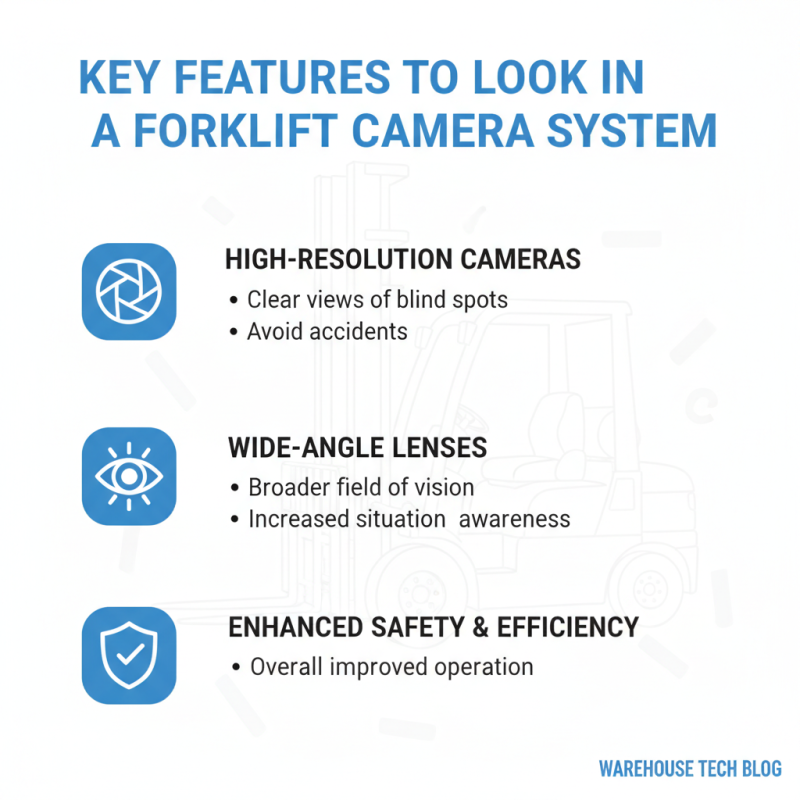
When selecting a forklift camera system, several key features can enhance safety and efficiency. High-resolution cameras are essential. These provide clear views of blind spots. This clarity helps operators avoid accidents in busy warehouse environments. Look for systems with wide-angle lenses. They offer a broader field of vision, increasing situational awareness.
Another important feature is real-time video streaming. This allows operators to monitor their surroundings as they work. It can reduce the chances of collisions, but reliability must be considered. If the system has lag or connection issues, it can be problematic. Additionally, consider systems with night vision capabilities. This ensures safe operations during low-light conditions.
Finally, ease of installation and use cannot be overlooked. Some systems are complex and time-consuming to set up. A user-friendly interface is crucial for smooth operation. While advanced features are desirable, they should not complicate daily use. Reflecting on these aspects can lead to better choices in forklift camera systems.
Comparing Different Types of Forklift Camera Systems Available
When choosing a forklift camera system, it’s essential to consider the different available types. Many businesses find clarity in backup cameras, which enhance visibility when reversing. These systems help prevent accidents and improve safety. Simple and cost-effective, they are a popular choice for many operations. However, they may not capture all blind spots.
Another option is a 360-degree camera system. This provides an all-around view, making maneuvering easier in tight spaces. With multiple cameras integrated, operators can have a better situational awareness. Yet, these systems can be more complex and require longer installation times. They may not fit every budget.
Consider also the level of integration and software compatibility. Some systems offer real-time alerts and video recording. These features can enhance safety but may lead to overwhelming data for some operators. Evaluating specific needs before choosing the system ensures effectiveness in daily operations. Each type comes with its advantages and potential drawbacks, making careful comparison crucial.
Integrating Forklift Cameras with Existing Warehouse Technology
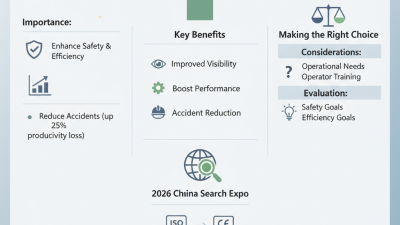
Integrating forklift cameras into existing warehouse operations can significantly enhance safety and efficiency. According to a report from the Occupational Safety and Health Administration (OSHA), accidents involving forklifts account for approximately 25% of all warehouse-related injuries. By utilizing cameras, businesses can improve visibility and reduce potential accidents.
The data shows that companies implementing camera systems report a 30% decrease in operational hazards. Forklift cameras provide real-time feedback, helping operators navigate tight spaces. They can also assist in monitoring blind spots, ensuring safe maneuvering in crowded environments. This integration allows for a proactive approach to safety, potentially decreasing insurance costs.
Adopting advanced technology is not without challenges. Some employees may resist changes to their routines. Training is critical to ensure the effectiveness of the system. A lack of proper implementation can result in underutilized technology. Companies must weigh the initial investment against the long-term benefits, reflecting on current operational hurdles. Integrating forklift cameras can drive positive change, but careful consideration is essential.
Integration of Forklift Camera Systems with Warehouse Technology
Cost Considerations for Investing in Forklift Camera Systems
Investing in a forklift camera system can greatly enhance workplace safety and efficiency.
However, understanding the cost implications is crucial for any business.
A quality camera system can range from a few hundred to several thousand dollars.
Installation fees and ongoing maintenance costs can add up.
It is essential to budget for these items to avoid surprises later.
When considering a forklift camera system, evaluate the features that best serve your operations.
High-definition cameras, real-time monitoring, and night vision capabilities improve visibility.
Yet, these advanced features come with higher price tags.
Consider if your business truly needs these options.
Reflection on specific operational challenges is valuable.
Assess whether the investment aligns with your safety and productivity goals.
Some companies report difficulties in justifying the upfront cost.
They wonder if the expected safety improvements will offset the expenses.
A risk assessment can help clarify potential benefits.
Look at your current accident rates and the cost of incidents.
Often, the price of inaction is far greater than the expenses involved in effective safety solutions.