How to Choose the Best Reverse Camera for Your Vehicle?
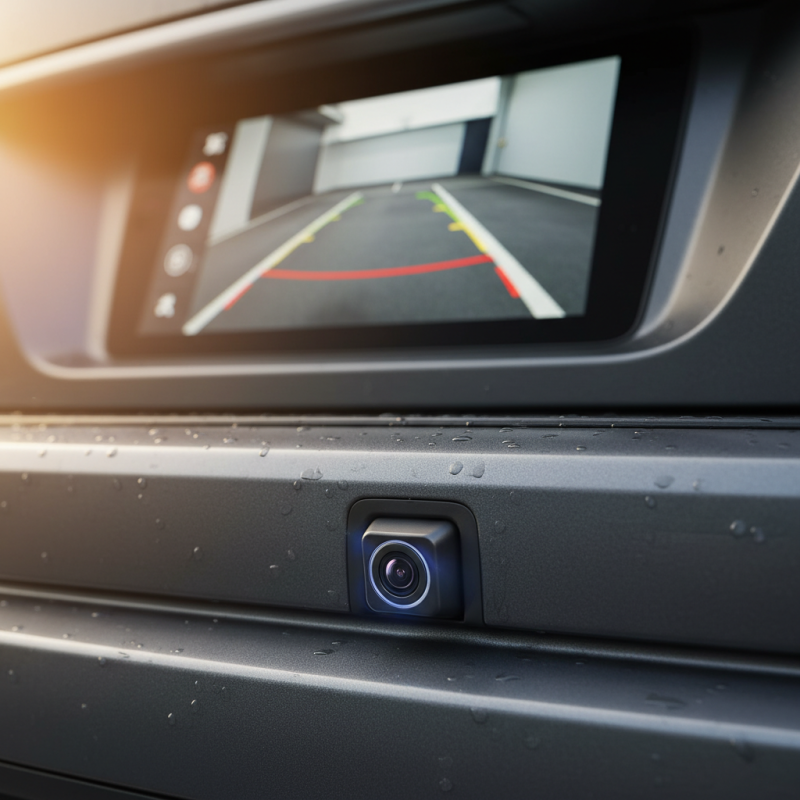
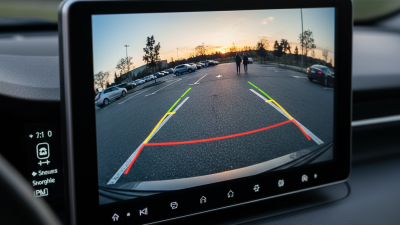
Choosing the best reverse camera for your vehicle is crucial. A reliable reverse camera enhances safety and simplifies parking tasks. With so many options available, making an informed decision is essential.
When selecting a reverse camera, consider clarity and wide viewing angles. Look for cameras with high-resolution images. A higher resolution ensures better visibility in low-light conditions. Some models even include night vision, which is helpful during nighttime driving. Additionally, think about the durability and weatherproof features of the camera.
However, not all reverse cameras meet high standards. Some may suffer from poor image quality or unreliable connections. Research and reviews will guide you in identifying the most trustworthy options. Remember, investing in a quality reverse camera can significantly improve your driving experience and safety on the road.
Understanding the Importance of Reverse Cameras in Vehicles
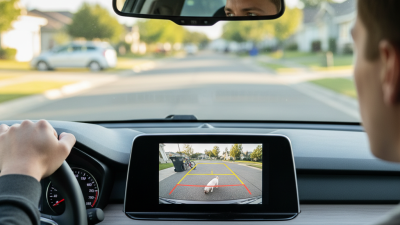
Reverse cameras have become essential in modern vehicles, significantly enhancing safety. They provide a clear view of the area behind the vehicle, reducing blind spots. Statistics show that many accidents occur during reversing. A reliable reverse camera can help prevent these incidents.
Understanding the importance of reverse cameras goes beyond safety. They contribute to more efficient parking and maneuvering in tight spaces. Drivers can see clearly while backing up. This visual aid reduces stress for inexperienced drivers. However, some cameras may have limitations, like poor night vision or low-resolution images. It's essential to consider these factors when assessing a camera's effectiveness.
Investing in a quality reverse camera is a decision that requires thought. Poor installation or low-quality products can lead to frustration. A camera that frequently malfunctions or provides unclear images is of little use. The best reverse camera should not only serve its purpose but also make driving a more confident experience.
Key Features to Consider When Choosing a Reverse Camera
When selecting a reverse camera for your vehicle, key features play a significant role. Resolution is crucial. A higher resolution provides clearer images, making it easier to spot obstacles. Look for cameras that offer at least 720p quality for day and night use. Night vision capabilities also matter. Cameras with infrared technology can enhance visibility in low-light conditions.
Another important feature is the camera's field of view. A wider angle offers a better perspective on what's behind you, helping to prevent accidents. Generally, a 120-degree field of view is a good standard. Ensure the camera is durable and weatherproof. It should withstand rain, dirt, and varying temperatures.
Tips: Before buying, read user reviews. Real-life experiences help gauge performance and reliability. Consider installation ease. A camera that’s difficult to install can lead to frustration and safety risks. Take your time to research and compare options. Finding the right camera might not be quick, but it is worth it for your safety.
Key Features of Reverse Cameras
Types of Reverse Cameras: Wired vs. Wireless Options
When it comes to reverse cameras, understanding the difference between wired and wireless options is crucial. Wired cameras offer stability. They connect directly to the vehicle’s electrical system. This ensures a consistent power supply. According to a study from the Institute of Transportation Engineers, wired systems generally provide a more reliable signal, unaffected by interference. However, installation can be more complex. It may require drilling and additional labor.
On the other hand, wireless reverse cameras provide ease of installation. They rely on Wi-Fi or RF signals to transmit video to your display. A report from the National Highway Traffic Safety Administration indicates growing popularity due to their user-friendly setup. However, these systems can face interference. Factors such as distance and surrounding signals can affect performance. Observations suggest that wireless cameras might produce lower image quality under challenging conditions.
Both options have advantages and disadvantages. It’s essential to assess your specific needs. If you prefer a quick, hassle-free setup, wireless may suit you. If you prioritize stability and image quality, wired options are better. Evaluate your vehicle and consider how you plan to use the camera. Making an informed choice is vital to enhancing safety while reversing.
How to Choose the Best Reverse Camera for Your Vehicle? - Types of Reverse Cameras: Wired vs. Wireless Options
| Camera Type |
Pros |
Cons |
Price Range |
Installation Complexity |
| Wired Reverse Camera |
Reliable connection, no interference |
Challenging installation, requires drilling |
$50 - $200 |
Moderate to High |
| Wireless Reverse Camera |
Easy installation, flexible positioning |
Possible interference, battery dependency |
$60 - $250 |
Low to Moderate |
| High-Definition Camera |
Clear image quality, enhanced visibility |
Higher cost, may require specific monitors |
$100 - $400 |
Moderate to High |
| Night Vision Camera |
Enhanced vision in low light conditions |
More expensive, may have lower resolution |
$80 - $300 |
Moderate to High |
Installation Considerations for Reverse Cameras in Your Vehicle
When considering the installation of a reverse camera, location is crucial. A well-placed camera provides a clear view of potential obstacles. Typically, the camera is mounted near the license plate. This positioning allows for an unobstructed field of vision. Be aware of your vehicle’s specific rear design. Some vehicles may have structural elements that obstruct the view.
Wiring is another significant factor during installation. Choose a route that minimizes exposure to heat or moisture. Often, navigating through the trunk can be tricky. It’s essential to secure wires properly, ensuring they do not interfere with trunk operations. Use zip ties to keep them tidy. The monitor connection also requires attention. A stable power supply is necessary for clear image display.
Testing the camera is vital before finalizing the installation. It’s easy to overlook angles and reflections. Once everything is set, check for blind spots. Adjustments might be needed to achieve an optimal view. This step can save you from costly accidents later. An effective reverse camera enhances safety but requires careful planning and execution.