Why Choose a Reverse Camera for Your Vehicle Safety?
As vehicle safety becomes increasingly important, the use of a Reverse Camera is a topic worth exploring. According to Dr. Emily Carter, an expert in automotive safety technology, “A Reverse Camera can dramatically reduce blind spots and prevent accidents.” This statement highlights the significance of integrating these cameras in vehicles today.
Reverse Cameras not only enhance safety but also provide drivers with greater confidence. They help avoid collisions when reversing. This benefit is crucial in urban environments where tight spaces and pedestrians are prevalent. However, not all Reverse Cameras are created equal. Some may have lower resolution or limited visibility, which can hinder their effectiveness.
Additionally, while Reverse Cameras are a great tool, they shouldn't replace traditional mirrors. Drivers still need to use their skills and awareness. Relying solely on technology can lead to complacency. In the end, the combination of a Reverse Camera and attentive driving can create a safer driving experience.

Understanding the Importance of Vehicle Safety Features
In today's world, vehicle safety features are more important than ever. Reverse cameras play a crucial role in preventing accidents. They provide a clear view of what is behind you, eliminating blind spots that can lead to collisions. When backing up, even a small child or pet can be difficult to see. A reverse camera can make all the difference. This technology allows for safer maneuvers.
Understanding vehicle safety goes beyond just having features. It requires knowing how to utilize them properly. Some drivers may overlook checking their surroundings, thinking technology alone suffices. This can be dangerous. Proper usage of a reverse camera means combining it with checking mirrors and looking over your shoulder. Blind trust in technology can lead to mistakes.
Moreover, the importance of these features isn’t just about avoiding accidents. They can reduce stress while parking or reversing in tight spaces. However, some people might think they don’t need this feature. This thought can be misleading. Every driver can benefit from enhanced awareness when on the road. Safety should always be a priority, and the right tools can help achieve it.
What is a Reverse Camera and How Does It Work?
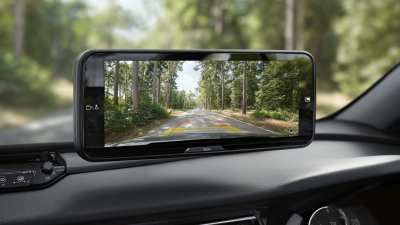
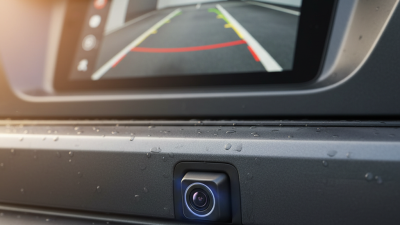
A reverse camera, also known as a backup camera, is a crucial safety feature for vehicles. It consists of a small camera mounted typically above the rear license plate. This camera provides real-time video feed to the driver, showing a wide-angle view of the area behind the vehicle. When the car is put in reverse, the screen inside displays this live video, helping enhance visibility. Many accidents occur due to blind spots while reversing. A reverse camera significantly reduces this risk by giving drivers a clearer view.
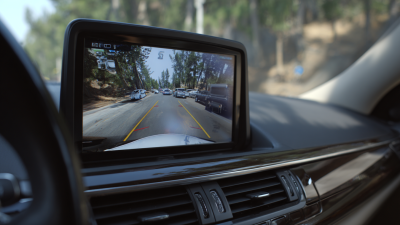
Understanding how a reverse camera works adds to its effectiveness. The camera captures images of the rear surroundings and conveys them to a monitor inside the vehicle. It often includes guides or lines that assist in parking and maneuvering. The importance of these visual aids can't be overstated, especially in crowded areas with pedestrians. Yet, drivers must remember that a reverse camera does not replace careful checking. These systems can have limitations, such as poor visibility in bad weather or when dirt obstructs the lens. Recognizing these factors ensures better use of the technology while maintaining awareness of the surroundings.
Why Choose a Reverse Camera for Your Vehicle Safety?
| Feature |
Description |
Benefits |
| Wide-Angle Lens |
Allows for a broader field of view compared to rear-view mirrors. |
Increases visibility of obstacles, pedestrians, and other vehicles. |
| Night Vision |
Enhanced image quality in low light conditions. |
Improves safety during nighttime driving. |
| Dynamic Guidelines |
On-screen guides that adjust based on steering direction. |
Helps in precise parking and maneuvering in tight spaces. |
| Audio Alerts |
Audible warnings when objects are detected nearby. |
Provides an additional layer of safety and awareness. |
| Easy Installation |
Simple setup with most vehicles compatible. |
Cost-effective solution to enhance safety without major modifications. |
Benefits of Using a Reverse Camera in Everyday Driving
A reverse camera is a crucial safety feature for modern vehicles. Statistics show that around 30% of all vehicle accidents occur during reverse maneuvers. These incidents often happen in parking lots or driveways. A reverse camera helps drivers see areas that are usually blind spots. This visual aid significantly reduces the chance of collisions.
The University of Michigan Transportation Research Institute indicates that vehicles with reverse cameras have a lower accident rate. In fact, data reveals a 40% reduction in backing-related accidents with the use of this technology. These cameras provide a clearer view of pedestrians, other vehicles, and obstacles. The added awareness can prevent severe injuries and property damage.
Despite these advantages, some drivers may overlook the need for such technology. Some argue that they can rely solely on mirrors. However, mirrors alone do not offer complete visibility. A reverse camera can reveal objects at various angles, ensuring a safer driving experience. Embracing this technology reflects a commitment to safety and responsibility on the road.
Comparing Reverse Cameras with Traditional Rear-view Mirrors
A reverse camera offers a significant upgrade over traditional rear-view mirrors. While mirrors depend on reflective surfaces, cameras provide a clear, wide-angle view of the area behind your vehicle. This enhanced visibility can help reduce blind spots, making it safer to reverse and park. The ability to see obstacles, street curbs, and even pedestrians increases overall awareness, especially in crowded areas.
Tips for using a reverse camera effectively include checking for any obstructions before driving. Regular maintenance is essential to keep the camera lens clean. Dirt and grime can obscure your view, leading to potentially dangerous situations. When you use the camera, remember that it may not capture everything. Always turn your head to check blind spots.
Another aspect to consider is the delay in camera response time. Sometimes, what you see on the screen may not be entirely instantaneous. It's crucial to remain attentive and not solely rely on the camera. Take a moment to glance at your surroundings before making a move. Balancing both the camera view and your own observation can create a safer driving experience.
Installation and Maintenance of Reverse Cameras for Optimal Use
Installing a reverse camera can greatly enhance your vehicle's safety. Proper placement is essential. Ideally, the camera should be mounted at or near the license plate area. This gives a clear view of the area behind your vehicle. Ensure that the lens is clean and unobstructed to avoid blurry images. When installing, double-check the wiring connections. Any loose wires can lead to intermittent functionality.
Maintenance plays a crucial role in the effectiveness of reverse cameras. Regular cleaning of the camera lens is vital. Dirt and grime can obscure the view and compromise safety. Inspect the wiring regularly for signs of wear or damage. It’s worth noting that environmental factors can affect performance. Extreme temperatures can impact the camera function. If the camera is too cold or too hot, it may not work properly.
Consider the user interface as well. A clear display is essential for effective usage. If the screen is cluttered or difficult to read, it can lead to accidents. Regular checks and adjustments may be necessary to optimize the setup. Even after installation, there might be aspects to refine for better functionality. This ongoing process ensures that your reverse camera serves its purpose effectively and safely.