What is a Wireless Backup Camera and How It Improves Driving Safety?
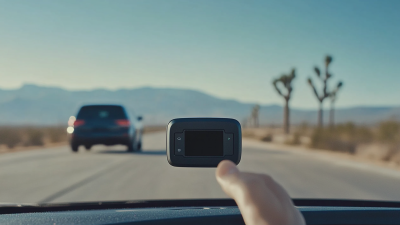
In recent years, vehicle safety has become an increasingly paramount concern for drivers and automotive engineers alike. Among various innovations aimed at enhancing road safety, the Wireless Backup Camera stands out as a pivotal advancement. According to the National Highway Traffic Safety Administration (NHTSA), backup accidents result in thousands of injuries and fatalities each year, underscoring the critical need for effective rearview solutions. Wireless Backup Cameras have emerged as a response to this pressing issue, providing drivers with a clear view of their surroundings when reversing, thereby significantly reducing blind spots.
Data from the Automotive Safety Foundation suggests that vehicles equipped with Wireless Backup Cameras can decrease accident rates by up to 30%. This technology utilizes advanced imaging and wireless transmission capabilities to ensure real-time video feeds are accessible to the driver via dashboard displays. As a result, drivers can maneuver more safely and confidently, making informed decisions based on live visual information. With the projected rise in adoption of such systems, expected to climb to over 50% of new vehicles sold by 2025, it is evident that Wireless Backup Cameras are shaping the future of driving safety, offering peace of mind for drivers and their passengers.
The Functionality and Technology Behind Wireless Backup Cameras
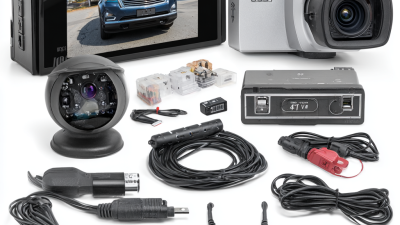
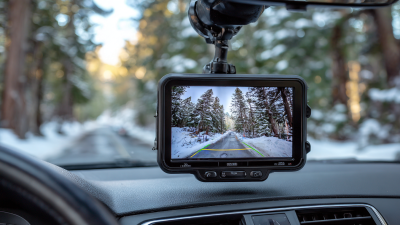
Wireless backup cameras utilize advanced technology to provide drivers with clearer visibility and enhanced safety while reversing. These systems use a combination of high-definition cameras and wireless transmitters to send real-time video feed to a monitor, typically mounted on the dashboard or rearview mirror. The result is a seamless view of what's behind the vehicle, which can significantly reduce blind spots and help prevent accidents. According to recent industry reports, vehicles equipped with backup cameras can reduce the likelihood of collisions by up to 30%, underscoring their importance for safety.
When considering the functionality of wireless backup cameras, many models now include features such as night vision, wide-angle lenses, and recording capabilities. These enhancements allow for better image clarity during low-light conditions and help to capture critical moments during driving. Meanwhile, as the technology evolves, more aftermarket solutions are becoming certified for their performance, ensuring reliability and ease of installation.
Tips: When selecting a wireless backup camera, look for models with HD resolution and features like park assist lines to improve situational awareness. Regularly cleaning the camera lens can also ensure clear visibility, particularly in adverse weather conditions.
Statistics on Backover Accidents and the Need for Enhanced Safety
The alarming statistics on backover accidents highlight the urgent need for enhanced vehicle safety features. Each year, hundreds of children and adults suffer serious injuries or fatalities due to accidents involving vehicles reversing. In response to this growing concern, advancements in technology, particularly wireless backup cameras, play a crucial role in improving safety. These systems significantly enhance a driver's awareness of their surroundings, reducing blind spots and enabling safer maneuvers.

Research has shown that rear-view cameras can lead to a 46 percent improvement in rear visibility. With this increased awareness, drivers are better equipped to avoid potential dangers, especially in crowded environments like residential neighborhoods. Furthermore, recent legislation seeks to mandate safety technology, pushing for the inclusion of cameras and sensors in all new vehicles, which could ultimately change the landscape of driving safety. As our understanding of vehicle safety evolves, embracing these technologies is essential to protect both drivers and pedestrians alike.
Comparison of Wireless vs. Wired Backup Camera Systems
When it comes to enhancing driving safety, the type of backup camera system can make a significant difference.
Wireless backup cameras offer notable advantages over their wired counterparts.
One of the primary benefits of wireless systems is ease of installation. Without the need for extensive wiring through the vehicle,
users can typically set up a wireless camera in a matter of minutes, making it a convenient option for many drivers.
Additionally, wireless systems can be relocated more easily if needed, providing flexibility that wired systems lack.

On the other hand, wired backup camera systems may offer
advantages in reliability and image quality.
With a direct connection to the vehicle's power source and display, these systems are less susceptible to interference
and generally provide a more stable signal. This can be particularly important in adverse weather conditions
or when driving in areas with high-frequency interference. Ultimately, the choice between wireless and
wired backup cameras depends on individual preferences and specific driving needs, with each system
presenting its unique benefits to improve driving safety.
How Wireless Backup Cameras Enhance Driver Awareness and Reaction Time
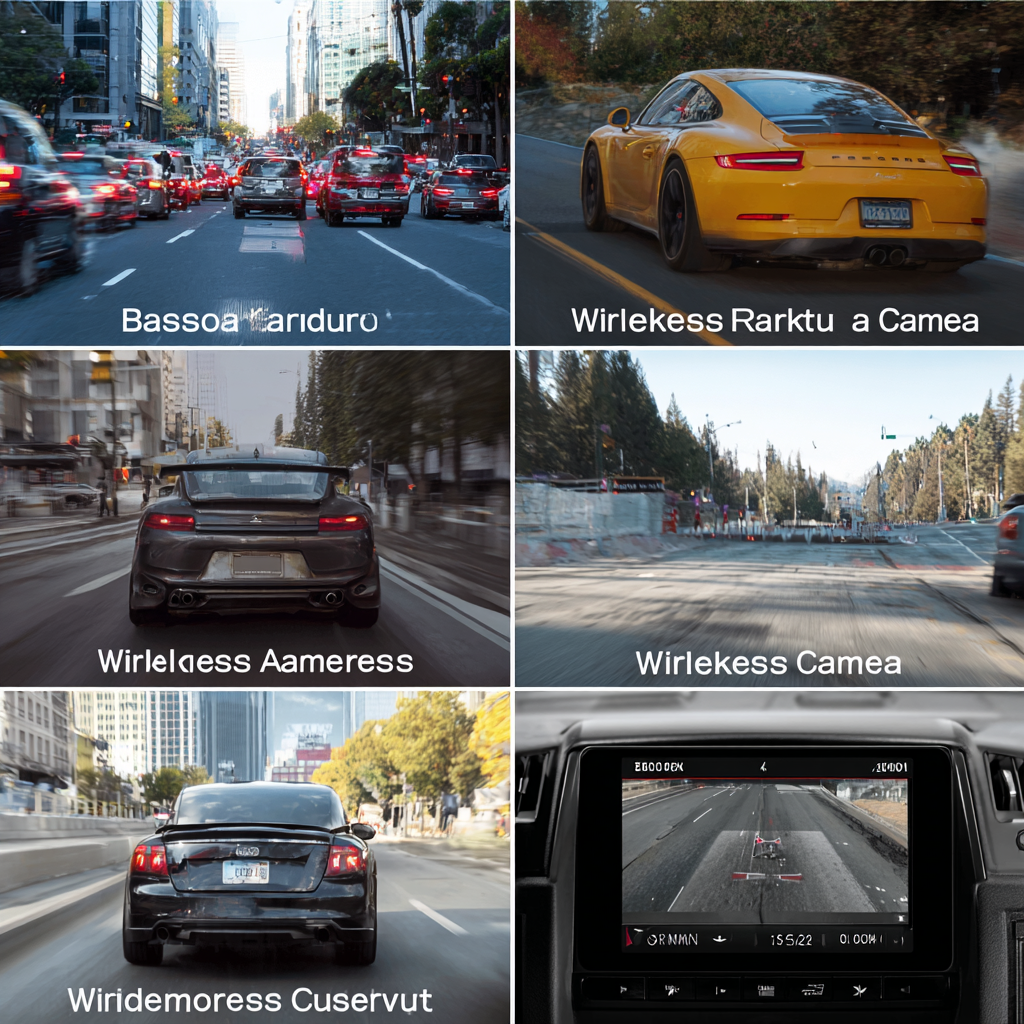
Wireless backup cameras have become a vital component in modern vehicles, significantly enhancing driver awareness and reaction times. According to a study by the National Highway Traffic Safety Administration (NHTSA), backup cameras have the potential to reduce backing-up collisions by up to 30%. This is particularly crucial as reversing accidents account for approximately 210 fatalities and 15,000 injuries each year in the United States alone. The integration of wireless technology allows these cameras to provide real-time footage to drivers without any cumbersome cables, promoting a seamless user experience.
Moreover, the use of wider field-of-view lenses in wireless backup cameras offers drivers a significantly expanded visual perspective. Research indicates that wide-angle cameras can capture nearly 180 degrees of view, which is invaluable when navigating tight spaces or crowded parking lots. Coupled with advanced features such as grid lines and object detection alerts, these cameras actively enhance situational awareness, enabling drivers to react more swiftly to potential hazards. As a result, drivers can approach reversing maneuvers with greater confidence, ultimately leading to improved safety on the road.
Impact of Wireless Backup Cameras on Driving Safety
Future Innovations in Wireless Backup Camera Technology for Safer Driving
As technology continues to advance, the future of wireless backup cameras is set to revolutionize driving safety. The integration of artificial intelligence (AI) and machine learning is anticipated to enhance the functionality of these systems. Future models may not only provide a clear view of the area behind the vehicle but also analyze potential hazards in real time. For instance, AI algorithms could identify pedestrians, cyclists, or obstacles and alert the driver with audible warnings or visual indicators on the dashboard screen. This added layer of awareness could significantly reduce the likelihood of accidents during reversing maneuvers.
Moreover, the evolution of camera resolution and sensor technology will contribute to better image quality, even in low-light conditions. Enhanced night vision capabilities will ensure that drivers have a panoramic view regardless of lighting. Additionally, the incorporation of augmented reality (AR) could transform how backup cameras assist drivers. By overlaying navigational guidelines or hazard notifications onto the rearview display, drivers can make more informed decisions. As these innovations take shape, wireless backup cameras are poised to become an essential component of vehicle safety systems, leading to a safer driving experience for everyone on the road.