Reversing a vehicle can turn an ordinary driveway into a stressful, uncertain space. Children, pets, bicycles, low walls, and shopping carts may disappear below the rear window. A Backup Camera For Car gives drivers a clearer view behind the vehicle. Its screen can reveal objects that mirrors cannot show easily. That extra view may help reduce guesswork during parking and reversing.
Practical driving experience shows that camera placement matters. A clean lens, a readable display, and good lighting can make a noticeable difference. Professional installation also helps maintain stable wiring and accurate image angles. However, the camera should support careful driving, not replace it. Drivers still need to check mirrors, look over their shoulders, and move slowly. A camera can miss narrow objects, moving pedestrians, or areas outside its viewing range. It is helpful, not magical.
Reliable automotive guidance treats backup cameras as part of a broader visibility system. Quality models may offer wide-angle views, night assistance, parking lines, or alerts. These features sound impressive, but performance can vary with rain, dirt, glare, and poor installation. That deserves honest attention. The best choice depends on the vehicle’s size, screen position, driving habits, and parking environment. Before buying, compare image clarity, viewing angle, durability, and compatibility. A small screen may feel convenient, yet become difficult to read under bright sunlight. Careful selection and regular cleaning can make this safety tool more dependable in real-world use.
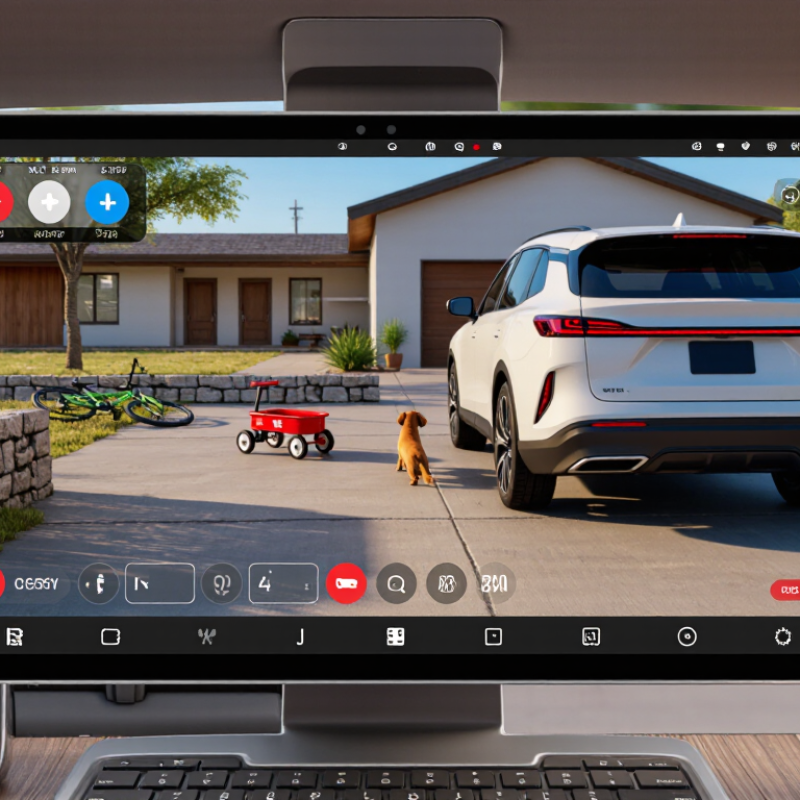
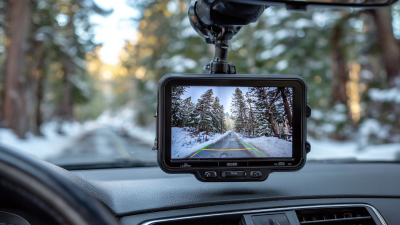
A car backup camera is a small video system that shows the area behind a vehicle on an interior display. Usually, the camera sits near the license-plate area or rear hatch. When reverse gear is selected, it sends a live image to the screen. Parking guidelines may appear as colored lines, helping drivers judge distance from walls, posts, or people.
The system matters because rear visibility is often limited by the vehicle body, headrests, and nearby objects. The U.S. National Highway Traffic Safety Administration estimated about 210 annual deaths and 15,000 injuries from backover crashes. Children and older adults face particular risks. Its rear-visibility rule also required new light vehicles under 10,000 pounds to include a rear visibility system from May 1, 2018.
Still, a camera is not a complete safety solution. Rain, mud, darkness, or a loose lens can distort the picture. The screen may also make objects look farther away than they are. That feels deceptive. Drivers should check mirrors, look over both shoulders, and move slowly. A camera can reveal a bicycle behind the bumper, but it may miss movement from the sides. The Insurance Institute for Highway Safety has repeatedly emphasized the value of combining visibility improvements with careful driver behavior. The technology helps, but human attention remains imperfect.
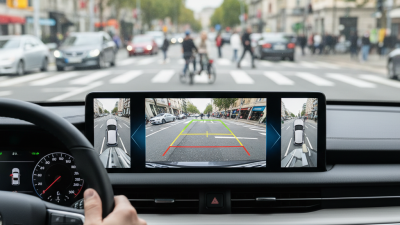
A backup camera helps drivers see the area behind a car when reversing. Its main value comes from reducing hidden zones near the rear bumper. Children, bicycles, low walls, and shopping carts can disappear from a driver’s direct view.
How does a backup camera work? A small camera mounted near the rear of the vehicle captures live video. When reverse gear is selected, the system sends that image to a dashboard display or rearview screen. Many cameras use a wide-angle lens, so they show more space than a normal mirror. However, wide views can bend distances. An object may look farther away than it really is. Colored parking lines usually estimate the car’s path, but they are not exact measurements. In low light, rain, mud, or snow, image quality can also decline. I still check the mirrors and turn my head because the camera cannot show everything. It is useful, not perfect.
Tips: Clean the lens before reversing. Check the screen, mirrors, and blind spots together. Move slowly, especially in crowded driveways. If the display freezes or shows unusual lines, stop and inspect the system before relying on it. A camera can reveal a small toy behind the car, but it cannot replace careful attention.
| Data Dimension | Verified Fact or Typical Specification | Why It Matters |
|---|---|---|
| Primary purpose | A backup camera provides a rear-facing view of the area behind a vehicle while reverse gear is selected. | It helps the driver identify obstacles, people, vehicles, curbs, and parking lines that may be difficult to see directly. |
| How the system starts | In a standard installation, selecting reverse sends a signal from the vehicle's reverse-light circuit or control system to activate the camera and display. | Automatic activation lets the driver use the system without manually opening an app or switching screens. |
| Image capture | A small image sensor converts incoming light into an electronic video signal through a lens mounted at the rear of the vehicle. | The camera creates a live view rather than a stored photograph, allowing the driver to monitor movement while reversing. |
| Video transmission | The video signal travels through a wired connection or, in some aftermarket systems, a wireless transmitter to a compatible display. | Wired connections generally provide stable communication, while wireless installations can reduce cable routing but may be affected by interference. |
| Typical viewing angle | Many backup cameras use a wide horizontal viewing angle of approximately 120° to 180°, depending on the lens and system design. | A wider angle can reveal more of the area beside the vehicle, but it may also create more image distortion near the edges. |
| Display location | The live image may appear on a dashboard screen, rear-view mirror display, or another compatible in-vehicle monitor. | A screen positioned near the driver's normal line of sight can reduce the need to look away from the vehicle's surroundings. |
| Parking guidelines | Many systems overlay fixed or steering-responsive lines that estimate the vehicle's path. | Guidelines can assist with alignment, but they are visual estimates and may not match the actual path if the camera or steering calibration is incorrect. |
| Low-light performance | Camera visibility depends on available light, sensor sensitivity, lens cleanliness, and the vehicle's reversing illumination. | The image may become darker or noisier at night, in shaded areas, or when the lens is dirty or covered by water. |
| Weather resistance | A camera mounted outside the vehicle should have a sealed housing suitable for exposure to rain, dust, washing, and temperature changes. | A weather-resistant design helps maintain image quality and reduces the risk of moisture-related failure. |
| Blind-zone assistance | The camera can improve visibility in areas directly behind the vehicle that may be hidden by the rear bodywork or seat headrests. | It can reduce reliance on mirrors alone, especially when reversing from a driveway or maneuvering in a crowded parking area. |
| Camera limitations | A backup camera does not automatically stop the vehicle, and it may not show areas outside its lens coverage or objects obscured by dirt, glare, snow, or darkness. | The driver must continue checking mirrors, looking around the vehicle, and reversing slowly. |
| Difference from parking sensors | A camera provides a visual image, while parking sensors use sound-wave measurements to estimate the distance to nearby objects. | Using both systems can provide complementary information, but neither replaces careful observation. |
| Common installation positions | Typical mounting points include the rear hatch, trunk lid, tailgate handle area, license-plate surround, or rear bumper. | The mounting height and angle affect the visible ground area, horizon position, and accuracy of parking guidelines. |
| Maintenance requirement | Regularly wiping the lens and checking the camera mount, wiring, and screen connection helps preserve reliable operation. | A clean lens and secure connection are especially important during rain, winter conditions, and dusty travel. |
| Safe reversing practice | Drivers should scan the surroundings before moving, check mirrors, use the camera as an additional view, and reverse at a controlled speed. | The camera is a visibility aid, not a substitute for direct observation and responsible driving. |
A backup camera gives drivers a clearer view of the space directly behind a car. This area often disappears below the rear window line. A child’s bicycle, a low wall, or a small pet can remain hidden from mirrors. NHTSA estimates that backover crashes cause about 210 deaths and 15,000 injuries each year in the United States. Children and older adults face particular risks. A camera places that danger on the dashboard screen, where drivers can check it before moving. That visual confirmation matters in narrow driveways and crowded parking areas.
It also improves positioning. Drivers can follow parking lines, judge distance, and avoid scraping nearby vehicles. IIHS research shows that rear cameras improve a driver’s ability to detect objects behind the vehicle. Still, the technology is not magic. Dirt, rain, darkness, or a poorly adjusted display can reduce visibility. The driver must check mirrors and surroundings, too. A quick walk-around helps. So does looking twice. In everyday use, people may glance at the screen too quickly or trust it too much. That is the weak point. A backup camera supports careful driving; it cannot replace attention, slow speed, or direct observation.
A backup camera gives drivers a clearer view behind the car. That matters when children, bicycles, or low posts disappear below the rear window. However, a camera is an aid, not a replacement for mirrors or shoulder checks. In daily testing, image delay is one feature I notice quickly. A half-second delay can make reversing feel strangely disconnected. Choose a system with a stable, near-real-time image. Small delays matter.
Look for at least 720p resolution, especially when the display sits several feet away. Higher clarity helps distinguish a dark shoe from a shadow at dusk. A wide viewing angle covers more space, but extreme angles can distort distance. Night vision should reveal shapes without creating a harsh, grainy picture. Automatic brightness adjustment helps when headlights or sunlight enter the lens. The housing should resist rain, road dust, and temperature changes. Water droplets can blur the image at the worst moment. Check the camera’s actual weather rating.
Dynamic parking guidelines are useful when they respond to steering movement. Fixed lines still help, although they may not match every vehicle’s turning path. A monitor with clear controls should remain readable in direct sunlight. Wireless systems reduce cable work, yet interference can cause occasional flicker. Wired installation is often steadier, but routing cables requires patience. I once trusted a broad viewing angle too much and missed a nearby edge. Test the system in a quiet area. I have also found that cleaning the lens matters more than advertised features. That lesson is easy to overlook.
A backup camera helps drivers monitor the area directly behind the vehicle and detect people or objects that may be hidden from the mirrors. The chart shows key reference values from U.S. rear visibility requirements under FMVSS No. 111.
Reference values: a 10-foot-wide by 20-foot-deep rear visibility zone, at least 95% target-area visibility, and image presentation within 2 seconds after reverse gear is selected. Source: U.S. National Highway Traffic Safety Administration, FMVSS No. 111.
A backup camera improves rear visibility, but it does not replace direct observation. According to the U.S. National Highway Traffic Safety Administration, rear-visibility systems could prevent approximately 58 to 69 deaths and 42,000 injuries annually. A camera helps most when installed correctly and checked regularly.
Choose a camera compatible with your vehicle’s voltage and monitor system. Mount it near the center of the rear plate area. Keep the view level, with a small section of the bumper visible. Connect power to the reverse-light circuit, then route the cable away from exhaust heat, sharp edges, and moving hinges. Secure every connection against moisture. Test the image in daylight, darkness, rain, and reverse gear. The first angle may look acceptable, yet still hide a low object. I learned that small adjustment matters.
Tips: Clean the lens weekly with a soft, damp cloth. Avoid abrasive cleaners. Inspect the cable after winter driving or a minor impact. Watch for flickering, delayed images, or dark patches. These signs can indicate loose wiring or moisture. Check the camera before leaving, even when the screen looks normal. Parking sensors can support it, but neither system sees everything. Human checking remains necessary.