How to Use a Reverse Camera Effectively for Safe Driving?
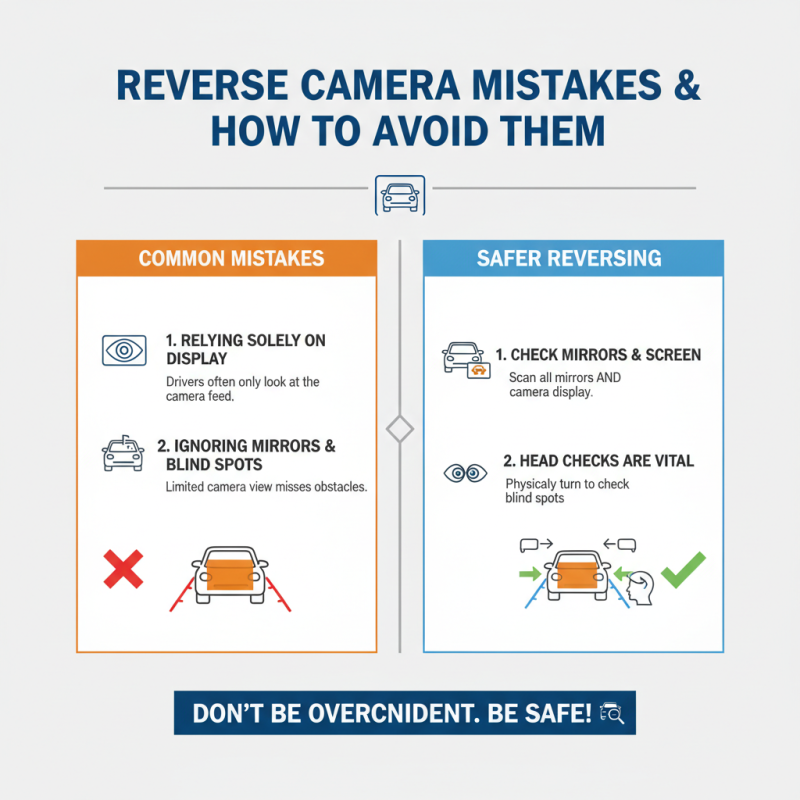
In today’s driving landscape, utilizing a Reverse Camera has become essential for enhancing safety. According to Dave Roberts, a well-known automotive safety expert, "A Reverse Camera can significantly reduce the chances of accidents while reversing.” This device helps drivers spot obstacles, pedestrians, or anything in their blind spots.
However, relying solely on a Reverse Camera can lead to overconfidence. Drivers may neglect to check their mirrors or even look behind. Such habits can result in near misses, highlighting the importance of using this technology as a supplementary tool. While the camera offers a clear view, it is not infallible.
Additionally, different lighting conditions can affect visibility. A clear image during daylight may not be as effective at night. Lastly, regular maintenance of the Reverse Camera is crucial. Dirt or damage can impair its performance. Therefore, integrating the camera into a broader safety routine is vital for every driver.
Understanding the Basics of Reverse Cameras in Vehicles
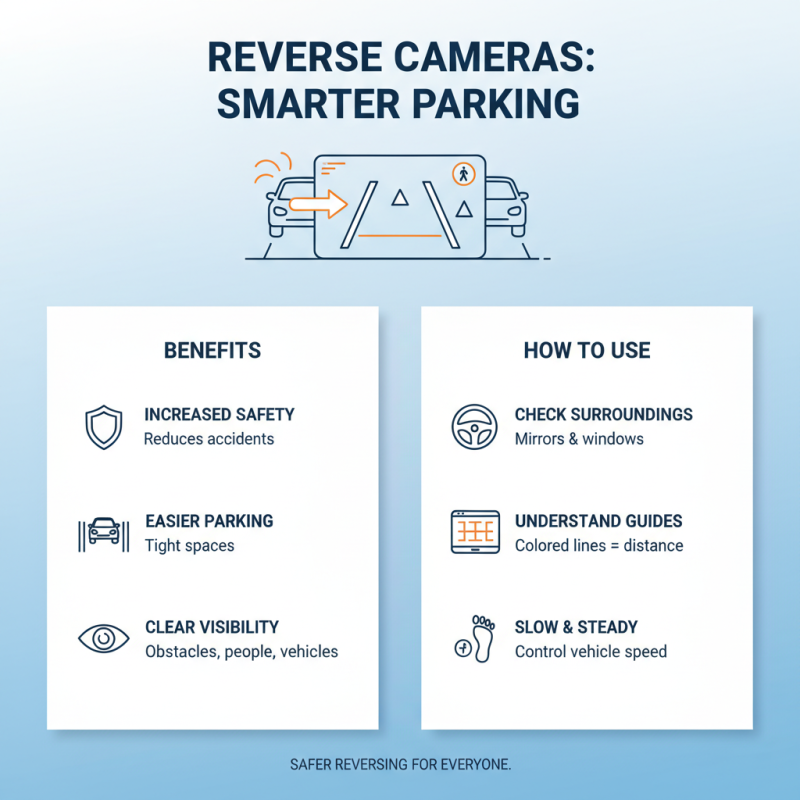
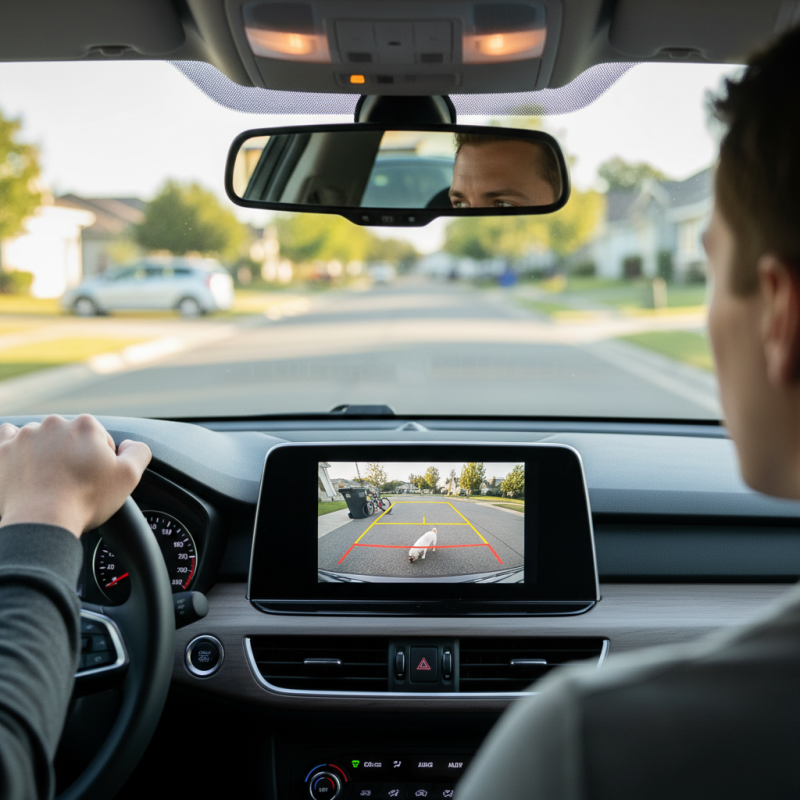
Reverse cameras are now common in many vehicles. They help drivers see what’s behind the car. This feature is especially useful when reversing into tight spaces. A clear view reduces the risk of accidents. It can show other vehicles, pedestrians, or obstacles. However, understanding how to use the camera is important.
Drivers should actively check the camera image while reversing. The view may not always show the complete picture. Objects can appear smaller or closer than they really are. Relying solely on a camera can lead to mistakes. It’s wise to turn your head and use side mirrors too. This creates a better sense of your surroundings.
Some users may forget to clean the camera lens. A dirty lens can affect visibility. It's also important to remember that the camera may distort distances. This means caution is essential, even with help from technology. Practicing in an empty lot can build comfort and confidence. Balancing technology with traditional methods is key to safe driving.
Benefits of Using a Reverse Camera for Safer Driving
Reverse cameras have become essential for safe driving. They greatly reduce blind spots when parking or reversing. This feature assists drivers in avoiding obstacles. A clear view of what is behind the vehicle allows for safer maneuvers. Many drivers feel more confident using reverse cameras. The display provides a visual reference that enhances spatial awareness.
Another benefit is the added layer of safety for pedestrians. Reverse cameras can help spot individuals, especially small children or pets. They can be difficult to see through rearview mirrors alone. However, relying solely on technology may lead to complacency. Drivers should still check their surroundings. Using a reverse camera does not replace the need for vigilance. It's important to still look over your shoulder.
Effective use of a reverse camera involves understanding its limitations. The camera might not provide a full view. Depth perception can be challenging through the screen. Drivers should approach reversing slowly, even with a camera. This cautious attitude can prevent accidents and encourage safer habits on the road.
Tips for Properly Adjusting Your Reverse Camera Settings
Adjusting your reverse camera settings is crucial for safe driving. Ensure the camera is positioned properly to capture the area behind the vehicle. A clear view reduces blind spots. Check the angle regularly; it may shift over time. Align it so you see the edges of your car, creating a frame for your surroundings.
Brightness and contrast settings matter too. Sometimes, a bright day can wash out the image. In low light, you might not see objects clearly. Finding the right balance can be challenging. Adjust these settings until you’re comfortable with visibility. Try different conditions to see what works best for you.
Don't rely solely on the camera. Use your mirrors to double-check. Cameras can miss small obstacles. Always give yourself a buffer zone when reversing. This additional awareness can prevent accidents. Stay mindful; your safety relies on how well you utilize these features.
How to Use a Reverse Camera Effectively for Safe Driving? - Tips for Properly Adjusting Your Reverse Camera Settings
| Setting |
Description |
Recommended Adjustment |
| Camera Angle |
Adjust the camera angle to ensure you have a clear view of the area behind the vehicle. |
Set the angle to capture the full width of the area behind your vehicle. |
| Brightness Settings |
Adjust the brightness for optimal visibility in various lighting conditions. |
Increase brightness slightly during nighttime and reduce during bright daylight. |
| Grid Lines |
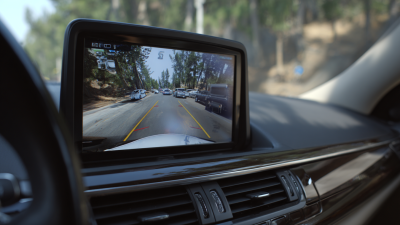
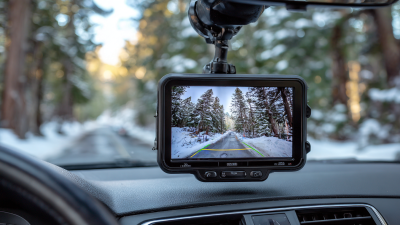
Use grid lines to estimate distances and align your vehicle while reversing. |
Ensure grid lines are visible without obstructing the view of obstacles. |
| Distance Markers |
Markers help gauge how close you are to objects behind you. |
Adjust markers based on the size of your vehicle and nearby objects. |
| Camera Maintenance |
Regularly clean the camera lens to ensure clear visibility. |
Wipe the lens with a microfiber cloth every few weeks or after severe weather. |
Maintenance and Troubleshooting for Reverse Camera Systems
Maintaining your reverse camera system is crucial for safe driving. Regular checks ensure clear visibility and optimal performance. According to the National Highway Traffic Safety Administration, backup cameras can reduce collisions by up to 30%. Yet, many users neglect maintenance.
One common issue is dirt or debris on the camera lens. A simple wipe can significantly improve image quality. Check for obstructions frequently, especially if you drive in dusty areas. Ensure the camera is properly aligned. Misalignment can cause blind spots, defeating its purpose.
Tips: Keep a microfiber cloth in your vehicle. Use it to clean the lens regularly. Inspect wiring for wear and tear. Damaged cables can lead to signal loss. Do not ignore error messages on your display. Investigate those promptly to avoid future issues.
If you notice a flickering image or screen failure, it may indicate connection problems. Reinforce all connections, as loose cables can lead to intermittent functionality. Regularly updating software can also prevent glitches. Reports indicate that up to 15% of drivers miss updates, risking system efficiency. A proactive approach is key to maintaining safety on the road.
Reverse Camera Effectiveness and Maintenance Insights