How to Use a Cast Iron Casserole for Perfect Cooking?
Cooking enthusiasts have long praised the versatility of the cast iron casserole. According to a recent study by the American Culinary Federation, over 65% of chefs prefer cast iron cookware for its ability to retain heat and enhance flavors. This timeless kitchen tool not only excels in slow cooking but also provides a unique searing capability.
Despite its many advantages, using a cast iron casserole requires mindfulness. Many users overlook the importance of seasoning. A well-seasoned casserole can improve its non-stick properties, creating a perfect crust on dishes. However, neglecting proper care can lead to rust or food sticking. Additionally, cast iron can be heavy and cumbersome. Beginners must consider these factors when choosing this cookware.
Ultimately, a cast iron casserole can elevate your cooking experience. Can it fully replace other cookware? That remains debatable. Understanding its strengths and weaknesses is key to unlocking fantastic meals. Embrace the journey with your cast iron casserole, and the results may surprise you.
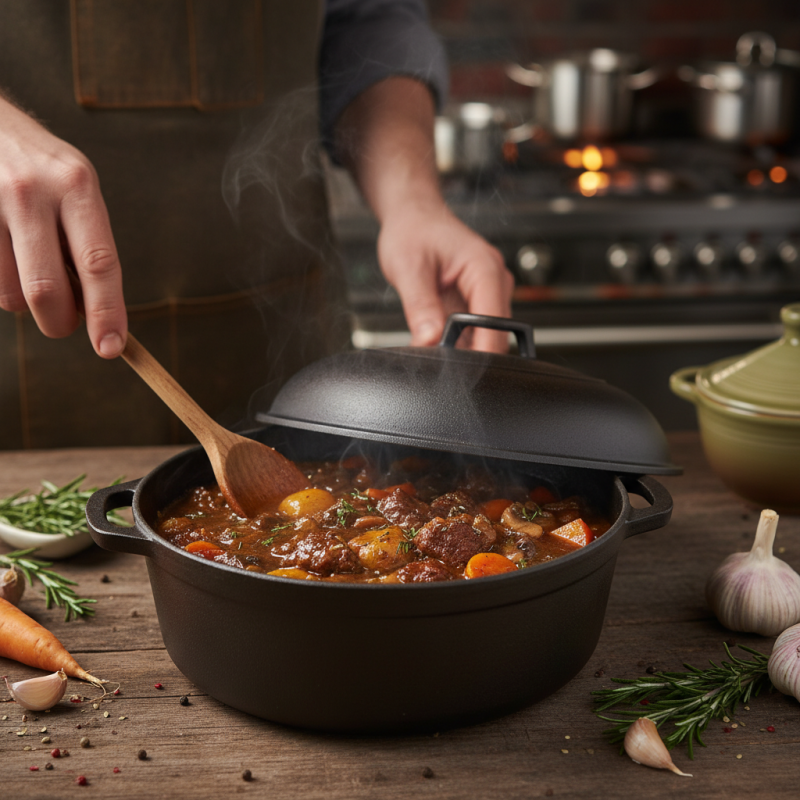
Understanding the Basics of Cast Iron Casserole Cookware
Cast iron casserole cookware is essential for any cooking enthusiast. Its ability to retain and distribute heat evenly makes it perfect for a variety of dishes. These pots can go from stovetop to oven with ease, making them versatile. They come in various sizes, so you can cook for one or the whole family.
One important aspect to remember is seasoning. Proper seasoning enhances the non-stick quality. Initially, it may require some trial and error. Don't be alarmed if your first attempts show some sticking. Each use builds a stronger seasoning layer. Regular maintenance is crucial too. Cleaning with soap can strip the seasoning away, so avoid it unless necessary.
Using cast iron requires patience. It can take time to understand how to adjust cooking times. The weight of the cookware might be a challenge for some. It’s easy to drop or accidentally bump the pot. These are common mistakes, but learning from them is part of the process. Embrace the imperfections; they often lead to the best cooking experiences.
Choosing the Right Cast Iron Casserole for Your Cooking Needs
Choosing the right cast iron casserole is crucial for effective cooking. The size, capacity, and shape can greatly influence your dish's outcome. A medium-sized casserole is often ideal for family meals. It provides enough space for stews and casseroles without overcrowding. Many people overlook proper sizing, leading to uneven cooking results.
Consider the weight as well. Cast iron can be heavy, and this affects handling and heat distribution. Reports suggest that a well-balanced casserole ensures even heat retention. A balanced casserole can improve cooking efficiency by 30%. Think about the handles too. Secure, comfortable handles can make lifting and moving your dish easier.
Don’t forget about the design. Some prefer enameled finishes for easy cleaning, while others value the traditional seasoning. Both options have benefits and challenges. Enameled surfaces are prone to chips. Traditional finishes require maintenance and seasoning skills. Each choice carries its own learning curve. A misstep in seasoning can lead to food sticking, affecting your cooking experience. The details matter in achieving perfection.
Prepping Your Cast Iron Casserole for Optimal Cooking Performance
Preparing your cast iron casserole is essential for optimal cooking. Start by cleaning it properly. Use hot water and a brush to scrub away food particles. Avoid soap, as it can strip the seasoning. Rinse thoroughly and dry immediately to prevent rust.
Next, season the casserole to enhance its non-stick properties. Apply a thin layer of vegetable oil to the surface. Heat it in the oven at a low temperature for about an hour. This creates a protective layer that improves with each use. Remember, over-seasoning is a real issue. Too much oil can lead to a sticky surface, which is frustrating.
Before you cook, ensure your casserole is at the right temperature. Preheat it gradually on low heat. This will avoid any thermal shock that may crack the dish. Pay attention, as uneven heating can lead to burnt edges. Cooking is an art, and practice will help refine these steps. Each attempt teaches you something new.
Essential Tips for Cooking with a Cast Iron Casserole
Cooking with a cast iron casserole can elevate your culinary skills. To start, always preheat your oven. This helps distribute heat evenly. Cast iron retains heat well, which means your food cooks uniformly. Don't overcrowd the casserole; allow space for steam to escape. It’s essential for achieving that crispy texture.
Oil your casserole before cooking. Use a generous amount to avoid sticking. Sometimes, even with oil, sticking happens. Don't be frustrated; just soak the dish immediately after cooking. This is crucial for easy cleaning. Remember to avoid acidic ingredients in your first few uses. They can react with the pan, causing discoloration and flavors to change.
As time goes on, your cast iron will season well. This means better flavor and less sticking. However, be prepared for some trial and error. You may burn a dish or two. It’s a part of learning to use this versatile kitchen tool. Embrace those small failures. They can lead to great improvements in your cooking technique.
Cleaning and Maintaining Your Cast Iron Casserole for Longevity
Cleaning and maintaining a cast iron casserole is vital for its longevity. After each use, it’s essential to clean it properly. Use warm water and a soft brush to scrub away any food residue. Avoid soap, as it can strip the seasoning. Sometimes, tough stains linger. In that case, consider using coarse salt as a scrub. It works wonders for stubborn spots without damaging the surface.
Once clean, drying your casserole is crucial. Wipe it down with a clean towel and place it on low heat for a few minutes. This helps prevent rust — a common issue for cast iron. After cooling, apply a thin layer of oil to preserve the seasoning. If you notice a dull surface, it might need re-seasoning. Applying a little more oil can help restore its shine and functionality.
Regularly checking for any signs of wear or rust will remind you to take action before it's too late.