Top 2025 Reverse Camera Features You Need to Know Before Buying
In the rapidly evolving automotive industry, the importance of safety features cannot be overstated. One such feature that has garnered significant attention is the Reverse Camera, which enhances visibility and reduces the likelihood of accidents while reversing. According to Dr. Emily Carter, an expert in automotive safety technology, "The integration of Reverse Cameras in vehicles is no longer just an option; it is a vital necessity that significantly improves driver awareness and safety."
As we approach 2025, many consumers are faced with a myriad of choices when selecting a vehicle equipped with this crucial feature. Understanding the latest advancements and the essential features of a Reverse Camera system is key to making an informed buying decision. From high-definition displays to advanced imaging technology, the innovations in this field aim to provide drivers with unparalleled clarity and confidence while reversing.
In this article, we will explore the top Reverse Camera features that can enhance your driving experience and ensure safety for both drivers and pedestrians. By delving into the latest technologies and functionality, readers will gain insights that will help them navigate the complexities of selecting the right Reverse Camera system for their needs.
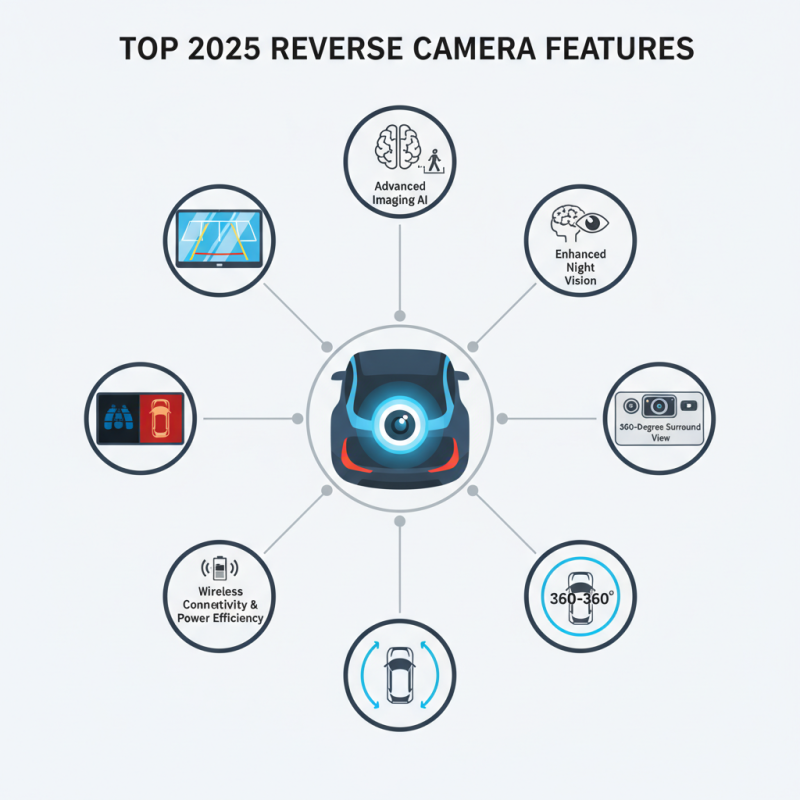
Top Trends in Reverse Camera Technology for 2025
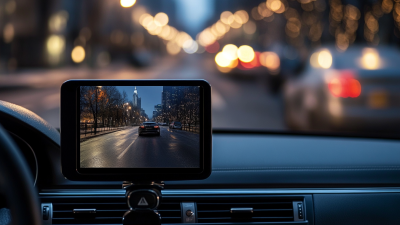
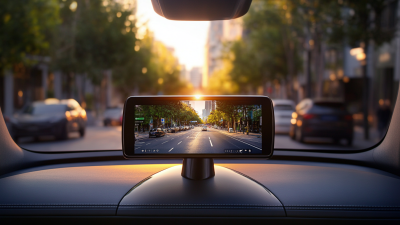
As we approach 2025, reverse camera technology is set to witness significant advancements that enhance both safety and ease of use for drivers. One of the most notable trends is the integration of AI-powered features that offer real-time object detection and obstacle alerts. This technology enables the camera system to analyze the surroundings and notify the driver of potential hazards, making reversing safer than ever. Additionally, high-definition imaging is becoming the norm, providing clearer visuals that can reduce blind spots and improve overall awareness.
Tips: When selecting a reverse camera, ensure it offers high-resolution video and advanced features such as AI detection. This will not only help with everyday driving but also ensure you are prepared for complex parking situations.
Another prominent trend for 2025 is the increasing popularity of 360-degree view cameras. These systems combine multiple camera feeds to create a comprehensive overhead view of the vehicle's surroundings. This feature is particularly useful for maneuvering in tight spaces and enhances overall parking efficiency.
Tips: Look for models that provide customizable views, allowing you to switch between different angles according to your needs, ensuring maximum safety and convenience while reversing.
Top 2025 Reverse Camera Features You Need to Know Before Buying
| Feature |
Description |
Expected Impact |
User Benefits |
| 360-Degree View |
A comprehensive view around the vehicle, eliminating blind spots. |
Enhances safety during maneuvers. |
Improved parking accuracy and obstacle awareness. |
| Night Vision |
Advanced imaging technology that improves visibility in low light conditions. |
Increased safety at night. |
Reduces the risk of accidents in dark settings. |
| AI Object Recognition |
Utilizes artificial intelligence to identify and alert for pedestrians and objects. |
Proactively assists drivers to avoid collisions. |
Thus enhances driving safety and responsiveness. |
| Integrated Parking Assistance |
Combines camera view with automated steering controls for easier parking. |
Reduces the stress and complexity of parking. |
Creates a more relaxed driving environment. |
| Wireless Connectivity |
Allows seamless connection with smartphones and other devices. |
Offers enhanced features and remote controls. |
Increased convenience for drivers. |
Key Features to Consider: Resolution, Viewing Angle, and Night Vision
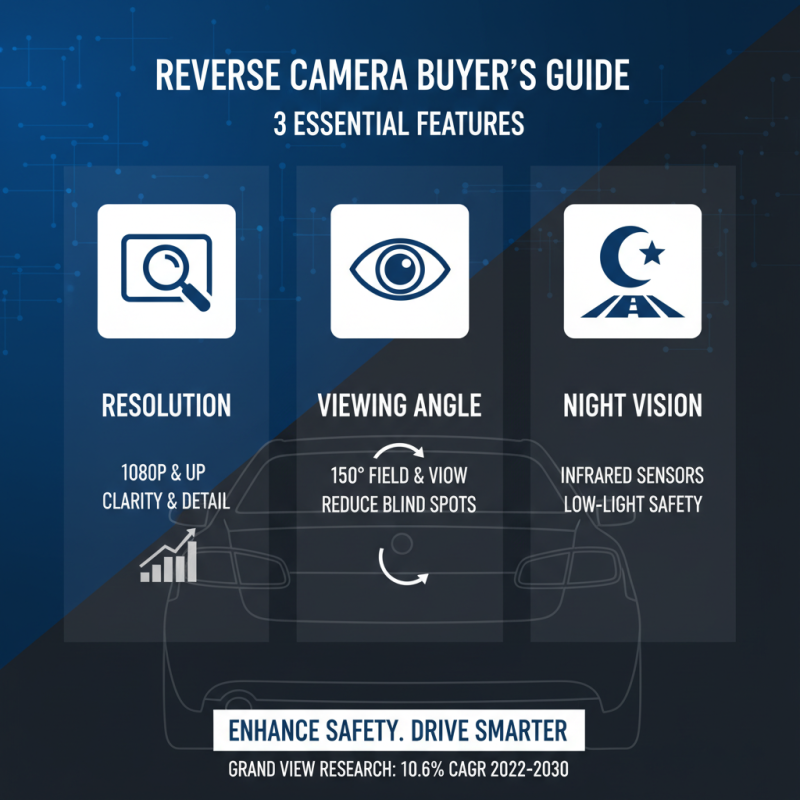
When selecting a reverse camera for your vehicle, three key features should be at the forefront of your decision: resolution, viewing angle, and night vision capabilities. According to a report by Grand View Research, the increasing demand for advanced driver assistance systems (ADAS) is driving the market for reverse cameras, which is expected to grow at a CAGR of 10.6% from 2022 to 2030. High-resolution cameras (1080p and above) are essential for ensuring clarity and detail, particularly in low visibility situations. These advanced cameras can dramatically enhance safety by providing clearer images of obstacles and pedestrians behind the vehicle.
The viewing angle of the camera is equally important, as it determines how much area you can see when reversing. A camera with a wide viewing angle of at least 120 degrees allows drivers to monitor blind spots and makes maneuvering in tight spaces safer. Industry experts suggest that cameras with a minimum of 170 degrees for enhanced peripheral vision can significantly reduce accident rates. Furthermore, the importance of night vision technology cannot be overstated; studies indicate that up to 40% of vehicle accidents occur in low-light conditions. Look for cameras equipped with infrared LED technology to ensure visibility even in complete darkness, providing peace of mind when reversing at night.
Impact of Advanced Sensors on Safety and Parking Assistance Systems
As the automotive industry embraces innovative technologies, the impact of advanced sensors on safety and parking assistance systems has become increasingly significant. The integration of high-definition cameras and sensors in reverse camera systems enhances vehicle awareness, providing drivers with a clear view of their surroundings. These state-of-the-art sensors can detect obstacles, pedestrians, and even small children, which drastically reduces the likelihood of accidents during reverse maneuvers. This heightened awareness not only boosts the confidence of drivers but also significantly enhances overall road safety.
Moreover, these advanced sensors work in tandem with parking assistance systems, creating a seamless experience when parking or maneuvering in tight spaces. Intelligent algorithms process data from multiple sensors to provide real-time guidance, taking the stress out of parking in challenging environments. Features such as automatic emergency braking and cross-traffic alerts further augment safety by intervening when a collision is imminent. As these technologies continue to evolve, drivers can expect even greater levels of support, transforming reverse parking from a daunting task into a simple, intuitive process.
Integration of AI and Machine Learning in Reverse Camera Functionality
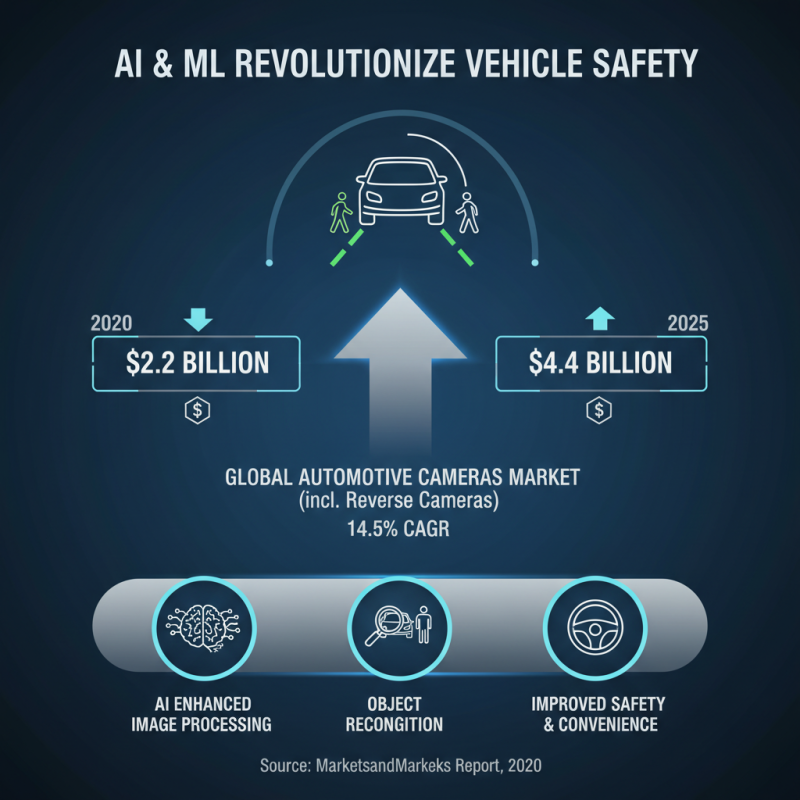
The integration of AI and machine learning into reverse camera functionality is revolutionizing vehicle safety and convenience. According to a report by MarketsandMarkets, the global automotive cameras market, which includes reverse cameras, is expected to grow from $2.2 billion in 2020 to $4.4 billion by 2025, at a compound annual growth rate (CAGR) of 14.5%. This growth is heavily driven by advancements in artificial intelligence, which enhances image recognition and processing capabilities, allowing for more intuitive user experiences.
Recent innovations have introduced features such as predictive obstacle detection and enhanced night vision capabilities. For example, AI algorithms can analyze surrounding environments in real time, identifying pedestrians, vehicles, and other potential hazards more accurately than traditional systems. A study by Deloitte indicates that 64% of consumers are more likely to purchase vehicles equipped with advanced driver-assistance systems (ADAS), which utilize reverse camera technology. These systems not only provide clear visuals but also offer smart alerts that improve situational awareness and reduce the risk of accidents.
Furthermore, machine learning enables reverse camera systems to adapt to various driving conditions and user behaviors. They can learn from past data and enhance their performance over time, making them invaluable for both new drivers and seasoned professionals. With the automotive industry increasingly embracing automation and connectivity, the role of AI-driven reverse cameras is set to become even more significant, leading to safer and smarter driving experiences.
Market Insights: Consumer Preferences and Price Trends for 2025 Models
As we look forward to the 2025 automotive market, it's evident that consumer preferences are shaping the future of vehicle features, including reverse cameras. The global pickup truck market is projected to grow significantly, from $229.85 billion in 2025 to $333.34 billion by 2032, marking a compound annual growth rate of 5.5%. This growth indicates a strong consumer demand for features that enhance vehicle safety and functionality, particularly those that integrate innovative camera systems.
Tips: When considering the purchase of a new vehicle, prioritize models equipped with advanced reverse camera technologies. Look for features such as trajectory guidelines and obstacle detection to maximize safety while reversing.
Additionally, consumer insights reveal that simplicity in product design and packaging is gaining traction. For car buyers, this translates to a preference for intuitive user interfaces and streamlined systems in vehicles. Choosing a model with a user-friendly display for the reverse camera can greatly enhance the driving experience.
Overall, as the automotive industry evolves, focusing on consumer preferences and price trends is essential. Keeping an eye on these elements will ensure a well-informed purchase that meets both current needs and future expectations.
Top 2025 Reverse Camera Features