Leave Your Message
Choosing a Forklift Camera manufacturer is not just a price comparison. A clear image can help an operator check blind spots, align forks, and notice people near a load. But performance depends on the camera, display, installation, and working environment together. Small details matter.
For this introduction, Ming Zhao is a fictional composite forklift-vision specialist, not a verified industry source. His illustrative observation is: “A camera earns its place when the operator can trust the image.” Treat that as a practical principle, not a documented quotation. A useful system should show a stable picture, respond without distracting delay, and remain readable under changing light. Dust, vibration, rain, and night shifts can expose weaknesses that a showroom demonstration misses.
This guide to Top Forklift Camera Manufacturers in China will compare product range, image performance, durability, compatibility, customization, and after-sales support. Buyers should check real specifications, request sample footage, and confirm how each system fits their forklift model. Ask about cable routing, monitor placement, and replacement parts, too. Those details affect daily use. A neat product page cannot answer every question. Manufacturer claims deserve careful checking, and no single camera setup suits every warehouse. That is worth remembering.
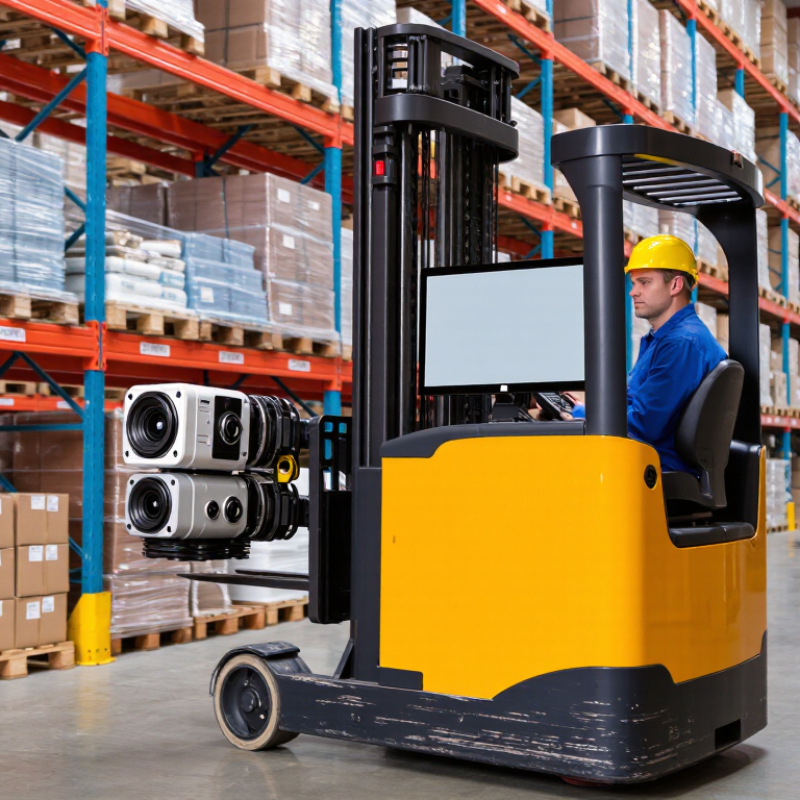
Top Forklift Camera Manufacturers in China
Forklift Camera Systems: Purpose and Main Components
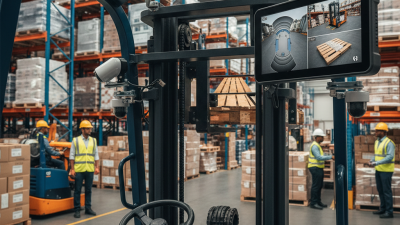
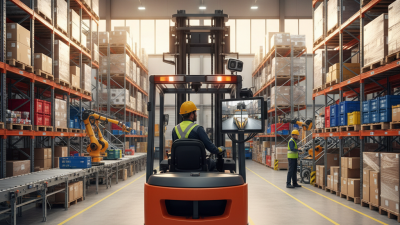
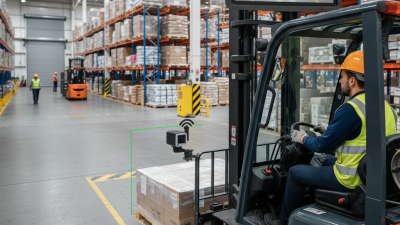
A forklift camera system gives operators a clearer view of blind areas around the vehicle. It can help when reversing near pallet racks, pedestrians, or stacked loads. Visibility matters. A typical setup includes a rugged camera, an in-cab display, power wiring, and secure mounting hardware. Some systems add a second camera, a recording unit, or proximity sensors. The right layout depends on mast height, load shape, and the operator’s normal viewing position.
OSHA’s powered industrial truck safety guidance cites estimates of about 85 forklift-related deaths and 34,900 serious injuries each year in the United States. These figures describe the broader hazard, not camera effectiveness. A camera should support safe operating habits, not replace direct checks or training. In practical installations, lens placement matters: a low rear view may show floor traffic but miss a raised load. Cables need protection from vibration, pinch points, and routine cleaning. A camera is not magic; glare, dust, and a muddy lens still cause trouble. That part is easy to underestimate. Regular checks of the image, mounts, and wiring help keep the system useful over time.
| System Component | Main Purpose | Common Characteristics | Selection Considerations |
|---|---|---|---|
| Camera | Provides a view of areas that may be difficult for the operator to see directly, such as behind the truck, around the mast, or near the forks. | May use a compact housing, a wide-angle lens, and a color or monochrome image sensor. Some systems include infrared illumination for low-light viewing. | Match the camera’s field of view and mounting position to the task. Check resistance to vibration, dust, moisture, and impact. |
| Fork or load-view camera | Helps the operator align the forks with pallet openings and observe the load during pickup or placement. | Usually mounted on or near the fork carriage or mast. The image may be shown on a cab display; some installations use a protected cable routed along the mast. | Confirm that the camera and cable remain clear of moving parts and do not interfere with the forks, carriage, or load. |
| Rear-view camera | Assists with reversing by showing the area behind the forklift on a monitor. | Typically mounted at the rear of the truck. The view can be activated by the operator or linked to a reversing signal, depending on the system. | Check the mounting location, image orientation, field of view, and compatibility with the truck’s electrical system. |
| In-cab monitor | Displays live camera images so the operator can check selected viewing areas from the driving position. | May be a dedicated display or part of a multi-camera system. Screen size, input count, and image switching options vary by configuration. | Choose a position that is visible without obstructing the operator’s normal view or access to controls. |
| Cables and connectors | Carry video and, where required, power between cameras, displays, and other system components. | Wiring may need protection from abrasion, repeated mast movement, vibration, and environmental exposure. Connector types depend on the system design. | Check cable routing, strain relief, connector protection, and whether the installation requires moving or telescoping cable management. |
| Power and signal interface | Supplies electrical power and connects the camera system to the forklift or its accessories. | The required supply voltage and signal format depend on the selected equipment and forklift configuration. Some installations use a voltage converter or a switched power connection. | Verify voltage, polarity, current requirements, signal compatibility, and installation instructions before connecting equipment. |
| Mounting hardware | Secures cameras and displays in positions suited to the forklift and intended viewing task. | May include brackets, clamps, fasteners, or protective housings. Mounting arrangements vary with truck design and camera location. | Ensure the installation is secure and does not obstruct visibility, truck movement, maintenance access, or safety equipment. |
| Optional recorder or additional camera inputs | Can support video recording or allow more than one camera view, depending on the system configuration. | Recording, storage, and camera-switching features are optional and are not present in every forklift camera system. | Consider storage capacity, recording settings, access controls, and applicable workplace privacy requirements. |
Note: Forklift camera systems differ by truck type, working environment, and intended task. Camera displays supplement, but do not replace, operator training, direct observation, or safe operating procedures.