Top 10 Corrugated Iron Roofing Sheet Making Machines?
The construction industry has seen a significant rise in demand for efficient roofing solutions. Corrugated iron roofing sheets are popular due to their durability and affordability. According to industry reports, the global corrugated roofing market is projected to grow at a CAGR of 4.5% from 2021 to 2026. This growth highlights the importance of advanced machinery in manufacturing these sheets.
A corrugated iron roofing sheet making machine plays a crucial role in this sector. Manufacturers are seeking innovative solutions to enhance productivity and quality. The right machinery can significantly reduce production costs and time. However, not all machines on the market deliver the same efficiency or reliability.
Choosing the most suitable machine is essential but can be overwhelming. Factors such as material quality, energy efficiency, and machine lifespan must be considered carefully. It’s a challenge that many manufacturers face. Making an informed choice is necessary, while understanding that improvements can always be made.
Overview of Corrugated Iron Roofing Sheets Manufacturing
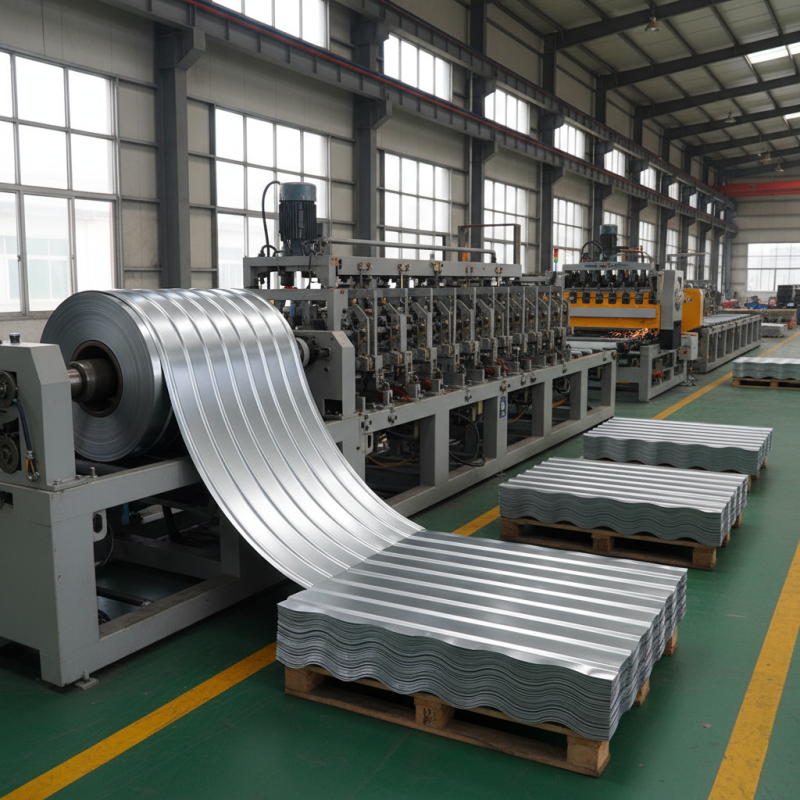
Corrugated iron roofing sheets are popular in construction. They provide durability and resistance to weather. Manufacturing these sheets involves several key processes. First, raw materials like metal coils are fed into a forming machine. The machine shapes the metal into corrugated patterns.
After shaping, the sheets are cut to size. This process ensures consistency in dimensions. Quality control is crucial at this stage. Inspect each sheet for defects. Even small issues can affect performance.
Tips: Consider the thickness of the metal. Thicker sheets often last longer. Pay attention to the coating used. A good coating prevents rust and enhances longevity.
The next step involves drying and curing. This solidifies the protective layer on the sheets. Some machines automatically apply paint or finish. Automated processes improve efficiency. However, manual checks remain necessary to ensure quality.
Invest in a reliable machine that accommodates your production scale. Regular maintenance is essential. Neglecting repairs can lead to costly downtimes. Reflect on your production needs before choosing equipment.
Key Features to Look for in Roofing Sheet Making Machines
When considering roofing sheet making machines, several key features are essential. The production capacity is one of the most critical factors. Machines should have the ability to produce between 5 to 12 tons of sheets per day, depending on the scale of operations. High efficiency leads to lower operational costs. Equipment that is versatile can adapt to various sheet designs, which enhances its usability in different projects.
Another important feature is the automation level. Machines with advanced automation can reduce labor costs and improve consistency. According to industry reports, companies that automate production see a potential decrease in error rates by up to 30%. The precision of cutting and shaping is vital for quality control. Well-designed machines ensure minimal material wastage, making them cost-effective in the long run.
Durability is equally significant. Production environments can be tough. Machines built from high-quality materials withstand wear and tear better. Some reports indicate that investing in durable machines saves approximately 15% on repairs over five years. It is also crucial to consider the availability of spare parts and technical support. A machine might be efficient now, but what about after a few years? Addressing these features can significantly impact the overall productivity and longevity of roofing sheet making operations.
Top 10 Machines for Producing Corrugated Iron Roofing Sheets
When it comes to producing corrugated iron roofing sheets, the choice of machinery plays a crucial role. The market is projected to grow at a CAGR of 4.5% through 2027. This growth reflects the rising demand for durable roofing solutions in construction. High-quality machines reduce waste and enhance productivity. Operators find efficiency boosts significant in their operations.
The top machines used in production are designed with advanced technology to shape and cut sheets accurately. These machines often have features that allow for quick adjustments, which can improve production times. Some models focus on energy efficiency, reducing operational costs. Delicate calibration is essential; even minor adjustments can impact the final product quality.
Tip: Regularly check and maintain your machinery. Neglect can lead to unexpected downtimes, costing money. Always consider the specific needs of your production scale before purchasing. Assess the flexibility of the machines regarding different sheet thicknesses and profiles. Investing wisely can reduce future headaches. Consider the skill level required for operation as well; this affects overall productivity.
Comparative Analysis of the Best Roofing Machines
Choosing the right corrugated iron roofing sheet making machine can be challenging. There are numerous machines with different features. Each machine has its strengths and weaknesses. It's crucial to compare them thoroughly to make the best choice.
When analyzing machines, consider the production speed. Some machines produce sheets quickly, while others are slow. A fast machine might increase output but may compromise on quality. Look at the machine's durability. A well-built machine can withstand wear and tear, saving you money in the long run. Maintenance is another aspect to ponder. Some machines require more upkeep than others, which can lead to downtime.
User reviews can provide insight into the efficiency of these machines. Pay attention to common issues reported by users. Sometimes machines perform well initially but face problems later on. This can lead to unexpected costs. It's essential to analyze all these variables carefully. The right choice can make a significant impact on your production capabilities and overall success.
Maintenance and Care for Roofing Sheet Production Equipment
Proper maintenance of corrugated iron roofing sheet making machines is crucial. Equipment wear and tear can impact production quality. According to a report by the International Roofing and Sheet Metal Association, regular maintenance can reduce machine downtime by up to 30%. This means improved productivity and lower operational costs.
Routine checks are essential. Lubrication of moving parts should occur every month. Filters must be cleaned regularly to avoid contamination. Ignoring these practices can lead to failures. A breakdown not only halts production but can also cost thousands in repairs. The annual maintenance budget should ideally be 10% of the machine's value, based on industry standards.
Operators need training on maintenance protocols. A skilled team can identify potential issues early. However, many facilities overlook this, leading to costly mistakes. Investing in training can enhance output quality. Remember, a well-maintained machine is a lifeline to consistent production. Proper care leads to longevity and efficiency. Neglect results in setbacks.
Top 10 Corrugated Iron Roofing Sheet Making Machines
| Machine Model | Production Capacity (kg/h) | Sheet Thickness (mm) | Power Requirement (kW) | Weight (kg) |
| Model A | 1000 | 0.3 - 0.8 | 20 | 1500 |
| Model B | 800 | 0.2 - 0.6 | 15 | 1200 |
| Model C | 1200 | 0.3 - 0.7 | 22 | 1700 |
| Model D | 600 | 0.3 - 0.5 | 10 | 1000 |
| Model E | 1500 | 0.4 - 0.9 | 25 | 2000 |
| Model F | 900 | 0.2 - 0.7 | 18 | 1400 |
| Model G | 1100 | 0.3 - 0.8 | 21 | 1600 |
| Model H | 750 | 0.2 - 0.4 | 12 | 1100 |
| Model I | 1300 | 0.4 - 1.0 | 27 | 1900 |
| Model J | 1600 | 0.5 - 1.2 | 30 | 2200 |