Top Agricultural Machinery Monitoring Cameras for Global Buyers?
As agriculture evolves, monitoring technology plays a vital role in enhancing productivity. Agricultural Machinery Monitoring Cameras have become essential tools for farmers worldwide. According to Dr. Sarah Thompson, an expert in agricultural technology, “These cameras provide real-time insights, making farming more efficient and responsive.”
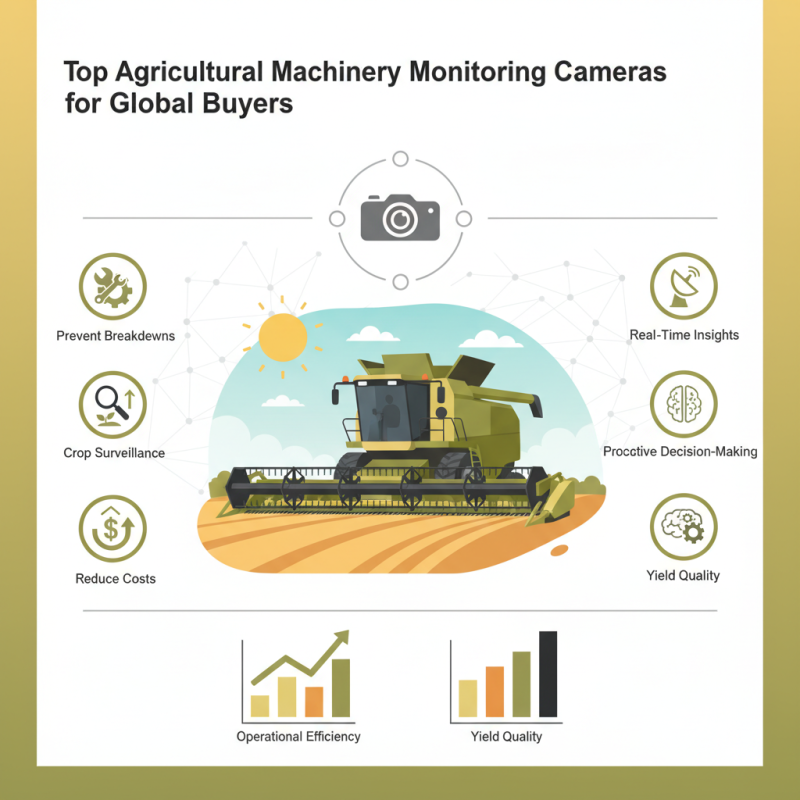
Farmers face unique challenges that require innovative solutions. Agricultural Machinery Monitoring Cameras allow for proactive decision-making. By monitoring machinery performance, farmers can prevent breakdowns and reduce maintenance costs. These cameras also aid in crop surveillance, helping to identify issues before they escalate.
However, there are challenges in integrating this technology. Some farmers may find the initial setup complex or the costs prohibitive. Ensuring reliable internet connectivity in rural areas can also be problematic. Despite these challenges, the potential benefits of Agricultural Machinery Monitoring Cameras are significant. They can dramatically improve operational efficiency and yield quality.
Overview of Agricultural Machinery Monitoring Cameras
Agricultural machinery monitoring cameras play a crucial role in enhancing farm productivity. These cameras provide real-time surveillance, helping to monitor equipment and field conditions. Farmers can oversee machinery performance and detect issues early, reducing downtime. High-resolution images and videos offer clarity for analyzing equipment operations, ensuring that machinery runs efficiently.
The integration of these cameras into farming practices promotes data-driven decision-making. Farmers can track the location and usage of their equipment. This information is vital for optimizing routes and reducing fuel costs. However, the initial setup and installation may require a learning curve. Some farmers may find it challenging to integrate this technology into their existing systems. Understanding connectivity issues and network requirements is essential for smooth operation.
Additionally, the durability of monitoring cameras is a critical consideration. They must withstand harsh weather conditions, including rain and dust. Regular maintenance and checks are necessary to ensure consistent performance. In some instances, the technology may require updates or replacements, which can be costly. Balancing these factors is essential for maximizing the benefits of agricultural machinery monitoring cameras.
Key Features to Consider in Agricultural Monitoring Cameras
In the rapidly evolving agriculture sector, monitoring cameras have become essential tools for improving productivity. These cameras help farmers track equipment usage and monitor crop health over vast fields. When selecting the right agricultural monitoring camera, several key features should be considered.
First, image quality is paramount. High-resolution cameras provide clear visuals for detailed analysis. According to a 2022 report by MarketsandMarkets, precision agriculture practices can improve crop yield by up to 20%. This enhancement stems from the ability to analyze plant health closely. Additionally, cameras with night vision capabilities allow for monitoring in low-light conditions, ensuring farmers can operate around the clock.
Another important feature is remote access. With mobile connectivity, users can receive real-time updates and alerts. This feature allows for prompt decision-making. For instance, sensors that detect pests can alert farmers instantly, preventing crop damage. It's crucial to choose cameras compatible with existing farm management systems, enhancing overall efficiency.
Tip: Always verify user reviews and expert evaluations before making a purchase. A camera might have impressive specifications on paper but may not perform adequately in real-world scenarios.
Tip: Consider environmental durability. Cameras need to withstand harsh weather conditions, dust, and moisture. Implementing reliable solutions can reduce long-term maintenance costs. Finding the right balance of durability and technology is vital for sustainable agricultural practices.
Top Agricultural Machinery Monitoring Cameras for Global Buyers
| Camera Model |
Resolution |
Field of View |
Night Vision |
Weather Resistance |
Price Range (USD) |
| Model A |
1920 x 1080 |
120° |
Yes |
IP67 |
$150 - $200 |
| Model B |
1280 x 720 |
90° |
No |
IP66 |
$100 - $150 |
| Model C |
4K (3840 x 2160) |
110° |
Yes |
IP68 |
$300 - $400 |
| Model D |
1920 x 1080 |
100° |
Yes |
IP65 |
$200 - $250 |
| Model E |
HD (720 x 1280) |
85° |
No |
IP55 |
$80 - $120 |
Top Brands Offering Agricultural Machinery Monitoring Cameras
In the agricultural industry, monitoring machinery is crucial for efficiency and productivity. Various brands are stepping up to offer advanced monitoring cameras that keep tractors and harvesters under observation. These cameras help farmers make informed decisions. They track real-time data and provide insights into machinery performance.
Some brands are known for their reliability and durability. They incorporate features such as weatherproof designs and high-resolution imaging. With these technologies, farmers can identify issues early, avoiding costly repairs. However, not every camera boasts top-notch performance, leading to questions about value for money.
As buyers explore options, it's essential to consider both expertise and user feedback. A thorough assessment of features and customer experiences can guide choices. Reflecting on these aspects helps buyers avoid potential pitfalls. Observing how well brands meet customer needs is also vital. The trend of integrating technology into farming processes is promising, yet not every option will suit every need.
Top Agricultural Machinery Monitoring Cameras: Performance Comparison
Comparative Analysis of Price and Performance
When considering agricultural machinery monitoring cameras, price and performance are key factors. Many buyers face challenges in finding the right balance. A good camera must be durable and capable of withstanding harsh weather conditions. High-resolution images are essential for effective monitoring. However, higher performance often comes with a steep price tag.
Some cameras offer budget-friendly options that still fulfill basic monitoring needs. These might not have advanced features but provide satisfactory performance for small to medium farms. When investing in premium models, features like night vision or remote access become relevant. Yet, a question arises: is the extra cost justified for smaller operations?
Another concern is the ease of installation and maintenance. Some systems may seem simple but require frequent adjustments. Users must weigh the initial investment against long-term operational costs. The decision is complex, as not every feature will benefit every type of agricultural operation. Overall, a thoughtful analysis aids in making an informed choice tailored to specific requirements.
Future Trends in Agricultural Monitoring Camera Technology
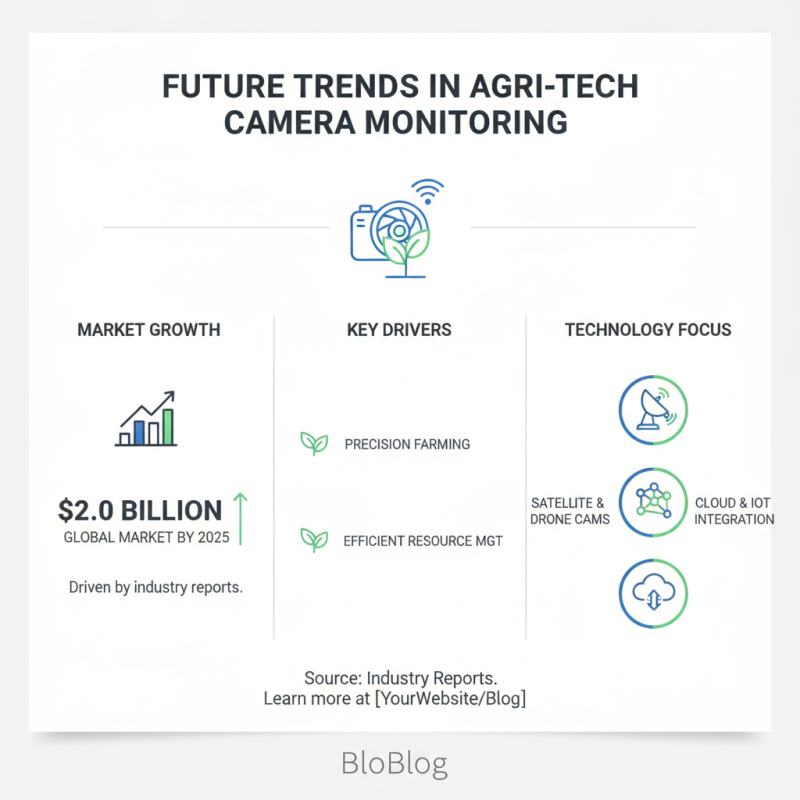
In recent years, agricultural monitoring camera technology has seen significant advancements. Data from industry reports indicate that the global agricultural camera market is poised to reach $2.0 billion by 2025. This growth reflects an increasing demand for precision farming practices and efficient resource management.
Emerging trends show that modern cameras now integrate AI for improved analytics. Farmers can identify crop health issues in real-time. Drones equipped with cameras offer aerial views of vast fields, providing insights that ground-level observations cannot. However, adoption remains uneven. Some farmers lack the technical skills to leverage these technologies effectively. This gap highlights the importance of training and support in rural areas.
A study by the International Society for Precision Agriculture suggests that while monitoring cameras can enhance productivity, potential security concerns arise. Data privacy and cybersecurity vulnerabilities are significant challenges. As technology evolves, addressing these risks will be crucial for widespread acceptance among agricultural buyers globally. Recognizing these complexities will guide future innovations, ensuring technology serves its intended purpose effectively.