Essential Tips for Choosing the Right Backup Camera Kit?
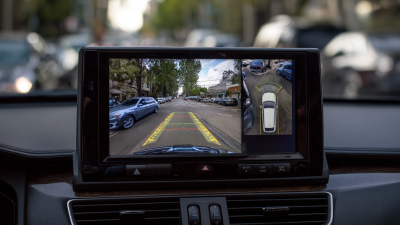
Choosing the right backup camera kit can be challenging. Many options exist, and each has unique features. A backup camera kit enhances safety, making parking easier and reducing blind spots.
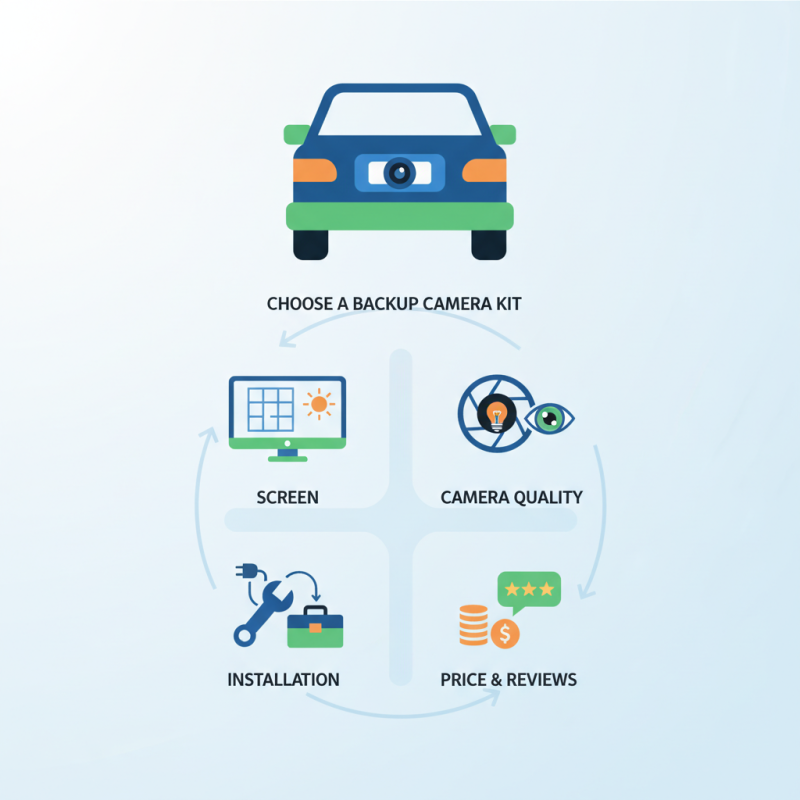
When selecting a kit, consider screen size and resolution. A larger display provides a clearer view. Also, check the camera quality. High-resolution cameras offer better images in various lighting. It's crucial to find a balance between quality and price, which can be tricky.
Don't overlook installation ease. Some kits require professional help, adding to costs. Read reviews to learn about others' experiences. Reflecting on this process can help you avoid common pitfalls. Remember, your needs are specific, so take your time finding the perfect backup camera kit for your vehicle.
Choosing Backup Camera Kits: Understanding Key Features and Specifications
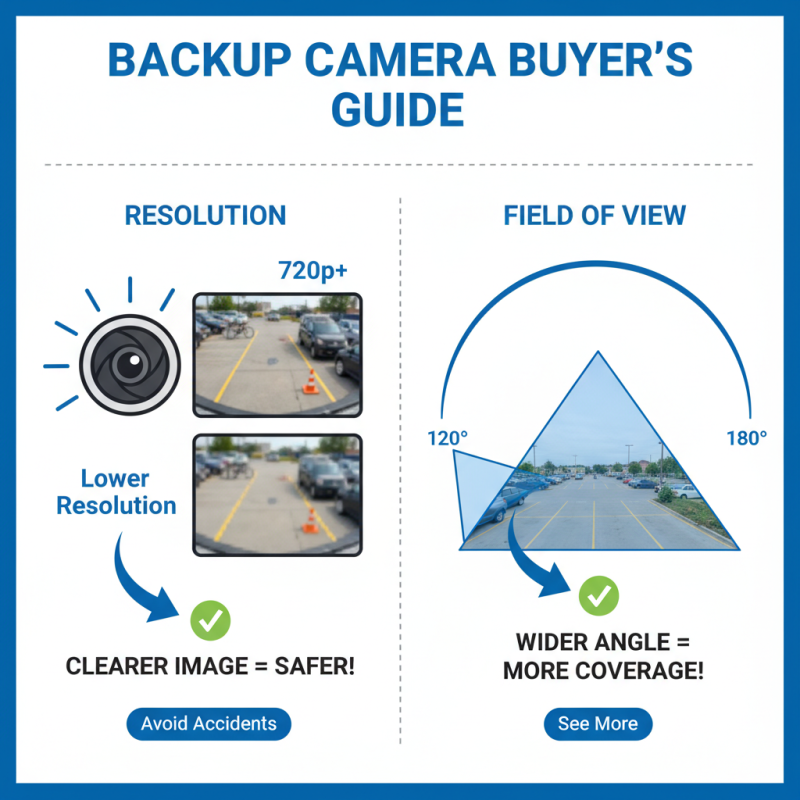
When selecting a backup camera kit, understanding features is crucial. Look for resolution. A higher resolution provides clearer images. Aim for at least 720p. This clarity can help avoid accidents. Also, consider the field of view. A wider angle captures more of your surroundings. It typically ranges from 120 to 180 degrees.
Installation is often overlooked. Some kits are easy to set up, while others can be complex. Check if the wiring is user-friendly. Wireless options may simplify the process. Also, think about night vision capability. A camera with infrared sensors can improve visibility after dark. This can enhance safety greatly.
Don't forget about additional features. Guidelines can assist with parking. Touchscreen or monitor size also matters. A bigger screen improves visibility but may require extra space. Remember, your needs may differ from others. Test different models until you find what fits best.
The Impact of Resolution: Why Camera Clarity Matters in Backup Systems
When selecting a backup camera kit, resolution plays a crucial role. A clear image ensures safer driving, particularly in tight spots. According to a recent study, nearly 30% of accidents occur in reverse. This statistic emphasizes the need for effective visual aids. The clarity of the camera is paramount.
High-resolution cameras can improve object detection significantly. According to industry reports, a camera with a resolution of 720p can capture essential details better than lower resolutions. This can be vital in low-light conditions. Poor visibility can lead to dangerous outcomes.
Additionally, distortion can be a problem. Some cameras may have a wide-angle view, but can lose clarity. A good resolution minimizes this risk and helps drivers make informed decisions. A sharper image allows users to spot pedestrians or obstacles more easily. Ultimately, investing in quality resolution ensures a safer driving experience.
Evaluating Different Types of Backup Cameras: Wired vs. Wireless Options
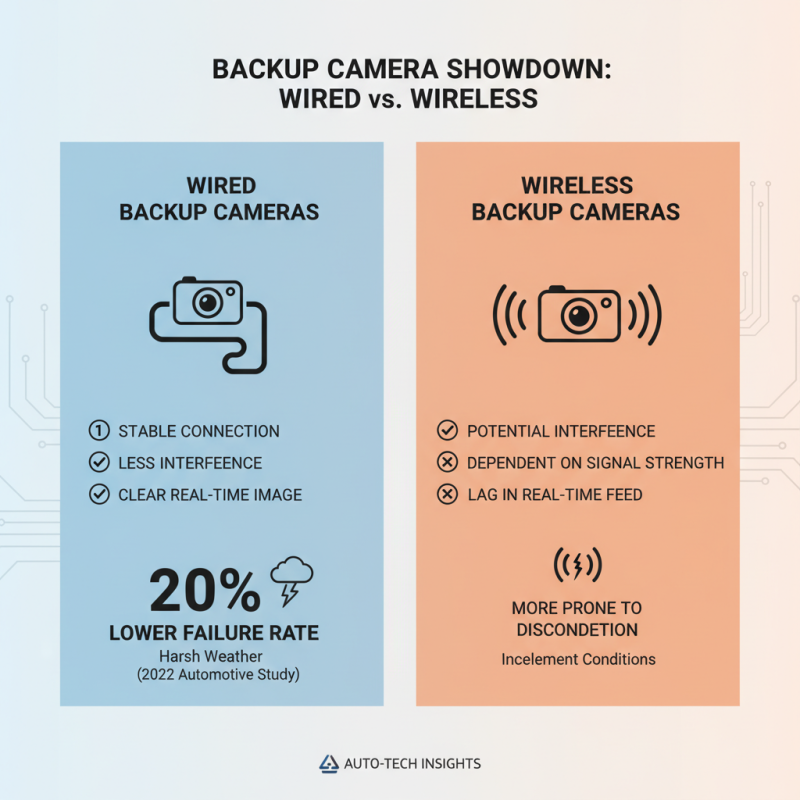
When evaluating backup cameras, the choice between wired and wireless options plays a crucial role. Wired backup cameras typically offer a more stable connection. They are less prone to interference, ensuring that you get a clear image in real-time. According to a 2022 automotive study, wired cameras have a 20% lower failure rate compared to their wireless counterparts during harsh weather conditions. This reliability makes them an attractive option for those who often drive in inclement weather.
On the other hand, wireless backup cameras provide easier installation. Many users appreciate the freedom from cables. However, they can be vulnerable to connectivity issues. In urban areas, radio frequency interference becomes a concern. Reports indicate that up to 30% of wireless systems experience lag in images. This can pose a serious risk while reversing. Assessing your driving environment is crucial. If you're mostly in a rural area, wired might be best. But if you favor convenience and quick setup, wireless could suit your needs. It’s important to weigh these aspects carefully.
Understanding the Importance of Night Vision and Low-Light Performance
When selecting a backup camera kit, the significance of night vision and low-light performance should not be overlooked. According to industry reports, approximately 20% of all accidents occur in low-light conditions. This stark statistic highlights the crucial need for a reliable camera system that performs well after dusk or in dimly lit areas.
Cameras with high-quality night vision capabilities can enhance visibility by providing clear images in such situations. Low-light performance can be a game changer for drivers who often navigate through poorly lit parking lots or streets.
Tips for choosing the right backup camera include prioritizing those with infrared technology. This feature significantly enhances image clarity in the dark. Opt for models that employ wide dynamic range (WDR) technology, which balances different light levels. Such features help capture details in shadows and bright lights alike, creating a more reliable field of view. It’s essential to review user feedback regarding night performance, as not all products live up to their advertising claims.
Assessing the low-light capabilities of a backup camera can be tricky. Some devices may fail in real-world conditions, showcasing a performance gap. Testers recommend looking for video examples online to gauge performance before purchasing. Check for flexibility in installation too, as placement can affect visibility during nighttime drives.
By focusing on these features, users can significantly reduce their risk of accidents in challenging lighting conditions.
Installation Considerations: Ensuring Compatibility with Your Vehicle Model
When selecting a backup camera kit, compatibility with your vehicle model is crucial. Installing a camera that doesn’t fit your car's specifications can lead to functionality issues. In the U.S., around 30% of vehicles sold in recent years have built-in backup cameras, which underscores the necessity of choosing the right camera for retrofitting. Research indicates that improper installations can lead to incorrect angles, making your investment less effective.
Before purchasing, examine your vehicle’s make and model. Dimensions and required connectors may vary significantly. Pay attention to mounting location and potential obstructions. Double-check the specifications and installation guides of any camera kit you're considering. Sometimes, the easiest kits might not suit your vehicle perfectly.
**Tips:** Always consult a professional if unsure about measurements. Take your time assessing vehicle compatibility. Some users report frustration over poor-quality images due to mismatched cameras.
During installation, consider factors like wiring routes and camera placement. Many users overlook the importance of positioning. Inadequate placement can lead to blind spots or obstructions. An improper setup may even compromise safety. Remember to test the system thoroughly before considering the installation complete.
Essential Tips for Choosing the Right Backup Camera Kit - Installation Considerations: Ensuring Compatibility with Your Vehicle Model
| Feature |
Importance |
Compatibility |
Price Range |
| Resolution |
High resolution provides clearer images |
Check vehicle's display specifications |
$100 - $300 |
| Field of View |
Wider view helps in better maneuvering |
Compatibility with vehicle's mounting area |
$150 - $400 |
| Night Vision |
Essential for low-light conditions |
Verify light sensor and installation location |
$80 - $250 |
| Ease of Installation |
Saves time and reduces professional costs |
Confirm vehicle model compatibility |
$50 - $200 |
| Wireless vs Wired |
Choose based on installation preference |
Ensure it works with the vehicle's system |
$100 - $500 |