What is an Rv Rearview Camera System and How Does It Work?
In today's world, safety and convenience are paramount for RV enthusiasts. The Rv Rearview Camera System plays a crucial role in enhancing both. This innovative technology provides drivers with a clear view of their surroundings, minimizing blind spots and reducing risk during maneuvers.
Many RV owners have faced challenges while reversing or changing lanes. Traditional mirrors can only do so much. The Rv Rearview Camera System addresses this problem by offering a live feed to a monitor inside the vehicle. This real-time visual aid transforms how we navigate tight spaces. However, it requires some adjustment for first-time users. Not all systems are created equal; some may offer clearer visuals than others.
Understanding the Rv Rearview Camera System can deepen our appreciation for its benefits. Users must still be attentive and not rely solely on technology. As much as it aids drivers, it may fail in certain conditions, such as heavy rain or fog. A well-informed RV owner can make the most of this system while remaining aware of its limitations.

What is an RV Rearview Camera System?
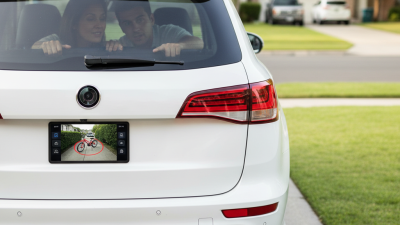
An RV rearview camera system is a useful tool for any recreational vehicle owner. It provides a clear view of what’s behind the vehicle while reversing. This comes in handy, especially when parking or navigating tight spaces.
The system typically includes a camera mounted on the back and a monitor inside the RV.
When engaged, the camera captures live video, transmitting it to the monitor. This real-time feed allows drivers to see blind spots and obstacles. Many systems offer features like night vision, making them effective even in low-light situations. However, the quality of the camera can vary, impacting visibility. It’s essential to consider the environment where you’ll commonly park or travel.
While RV rearview camera systems enhance safety, they may not solve all visibility issues. Drivers still need to check mirrors and surrounding areas while reversing. Sometimes the monitor can be distracting, diverting attention from crucial checks. It’s vital to find a balance between using the camera and traditional methods. Ultimately, the system is an invaluable safety asset, but users must engage with it wisely.
Key Components of an RV Rearview Camera System
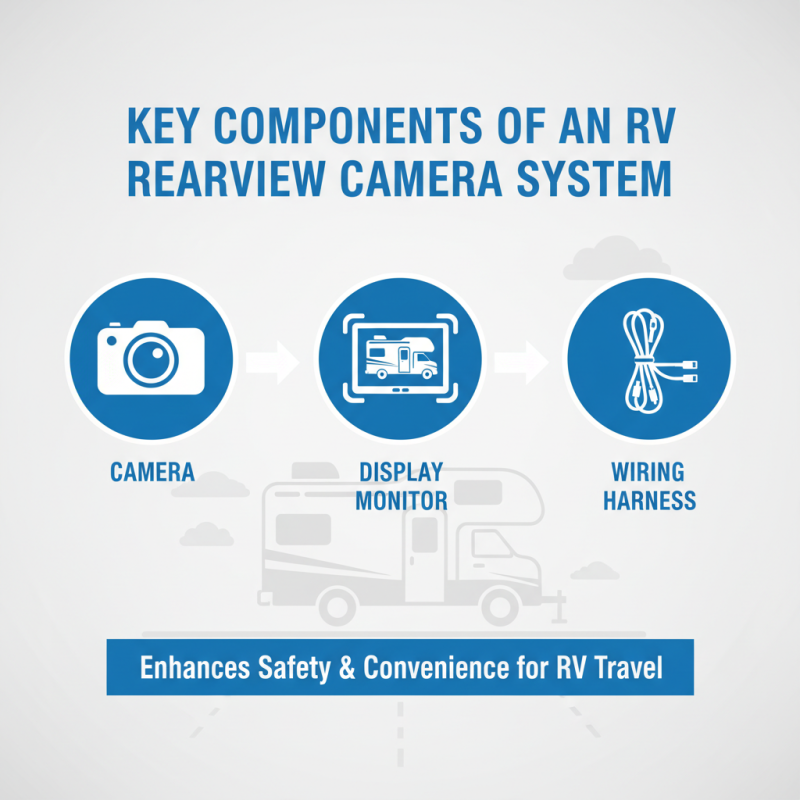
An RV rearview camera system enhances safety and convenience while traveling. Several key components make this system function effectively. The primary parts include a camera, display monitor, and wiring harness.
The camera is typically mounted at the rear of the RV. It captures a wide-angle view of the area behind the vehicle. Modern cameras often have night vision capabilities. This allows for better visibility in low-light conditions. The display monitor, usually installed near the driver’s seat, shows real-time video feed from the camera. It helps the driver navigate tricky situations like parking or merging.
Wiring harnesses connect the camera to the monitor. They ensure seamless transmission of video signals. A typical wiring setup can extend up to 100 feet. This distance is crucial for larger RVs. According to industry data, RVs equipped with rearview systems have a 30% lower accident rate.
Tips: Always test the camera before long trips. Make adjustments to the angle for maximum visibility. Regularly inspect the wiring for damage, especially after rough travels. These simple checks can prevent major issues down the road.
How RV Rearview Cameras Enhance Safety and Maneuverability
RV rearview cameras are vital for enhancing safety and maneuverability. These systems provide drivers with a clear view of their surroundings, especially behind the vehicle. This capability is crucial when reversing or changing lanes. Often, large RVs have significant blind spots. Without proper visibility, accidents can occur easily. A rearview camera minimizes this risk by offering a wide-angle perspective.
Moreover, these cameras aid in parking and navigating tight spaces. Many drivers struggle to judge the distance when backing up. With a rearview camera, the display shows real-time footage, helping drivers make informed decisions. Experienced RV users note that these systems boost confidence, especially for those unfamiliar with larger vehicles.
However, reliance on technology can create a false sense of security. Drivers should not ignore traditional methods, like looking back. Regularly checking mirrors and being aware of surroundings is equally important. Blind spots still exist, even with a camera. It is essential to strike a balance between using the camera and maintaining awareness. By doing so, RV enthusiasts can ensure a safer experience on the road.
What is an RV Rearview Camera System and How Does It Work? - How RV Rearview Cameras Enhance Safety and Maneuverability
| Feature |
Description |
Benefits |
| Visibility |
Provides a wide-angle view of the area behind the RV. |
Helps in detecting obstacles and enhances rear visibility. |
| Installation |
Typically involves mounting a camera at the rear and connecting it to a display screen inside the RV. |
Easy to set up, many options available for DIY installations. |
| Night Vision |
Many systems include night vision capabilities to enhance visibility in low light conditions. |
Increases safety when parking or maneuvering after dark. |
| Dynamic Guidelines |
Some systems feature on-screen guidelines to assist with parking and aligning the RV. |
Helps drivers gauge distance and approach angles more accurately. |
| Durability |
Designed to withstand outdoor conditions, including rain and debris. |
Ensures long-lasting performance even in harsh environments. |
Understanding the Technology Behind RV Rearview Cameras
An RV rearview camera system enhances safety and awareness while on the road. These systems typically consist of a camera mounted on the rear of the RV and a monitor located inside the driver’s cabin. When the vehicle is in reverse, the camera captures real-time footage, providing a clear view of what’s behind. According to industry reports, RV accidents involving backing up account for over 40% of all RV incidents. This alarming statistic highlights the importance of having a reliable rearview camera in place.
The technology used in these camera systems has advanced significantly. High-resolution cameras with night vision capabilities are now common. Many systems employ wide-angle lenses, ensuring a comprehensive view even in tight spaces. Some reports indicate that cameras with a minimum resolution of 720p can dramatically improve visibility. Additionally, the integration of sensors helps detect obstacles. Despite the advancements, drivers need to remember that these systems are not infallible. Blind spots may still exist, and reliance solely on technology can lead to dangerous situations.
Installation of these camera systems may seem straightforward, but it requires careful consideration. Poor placement can become a disadvantage. A camera positioned too high or too low may not capture the intended view. Successful implementation of these systems demands a balance between technology and awareness. Drivers must remain vigilant, understanding that no system replaces attentive driving.
RV Rearview Camera System Features Comparison
Installation and Maintenance of RV Rearview Camera Systems
Installing an RV rearview camera system can enhance safety while on the road. This technology helps drivers monitor blind spots and improves visibility during reversing maneuvers. According to recent industry reports, over 70% of RV accidents occur due to limited rear visibility. Proper installation is crucial for optimal performance.
Find a suitable location for the camera. It is often mounted at the rear of the vehicle, near the license plate or high on the back wall. Ensure that the camera has a clear line of sight. Wiring needs careful attention; secure connections will avoid shorts and prevent image distortion. Many experts recommend waterproof cameras for durability. Consider seamless integration with existing displays.
Maintenance of these systems is vital. Regularly check camera lenses for dirt or obstruction. Clean them with a soft cloth. Malfunctions could arise from damaged wires. Inspect them periodically, especially in harsh weather. Not all systems are foolproof, and sometimes they provide unclear images. Users should be aware of limitations during night driving. Conduct periodic tests to ensure everything functions correctly. Prioritizing these maintenance tasks can prolong the life of the system.