What is a Reverse Camera and How Does It Enhance Driving Safety
In today's fast-paced world, ensuring safety while driving has become more crucial than ever. One of the technological advancements that has significantly contributed to enhancing driving safety is the Reverse Camera. This innovative feature, also known as a rearview camera, provides drivers with a clearer view of the area directly behind their vehicles, allowing for safer maneuvering during parking and reversing. As accidents involving pedestrians and obstacles in the rear blind spot remain a common concern, the incorporation of a Reverse Camera is proving to be an invaluable asset for drivers of all experience levels.
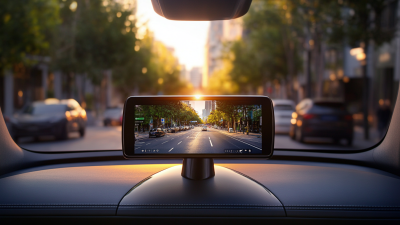
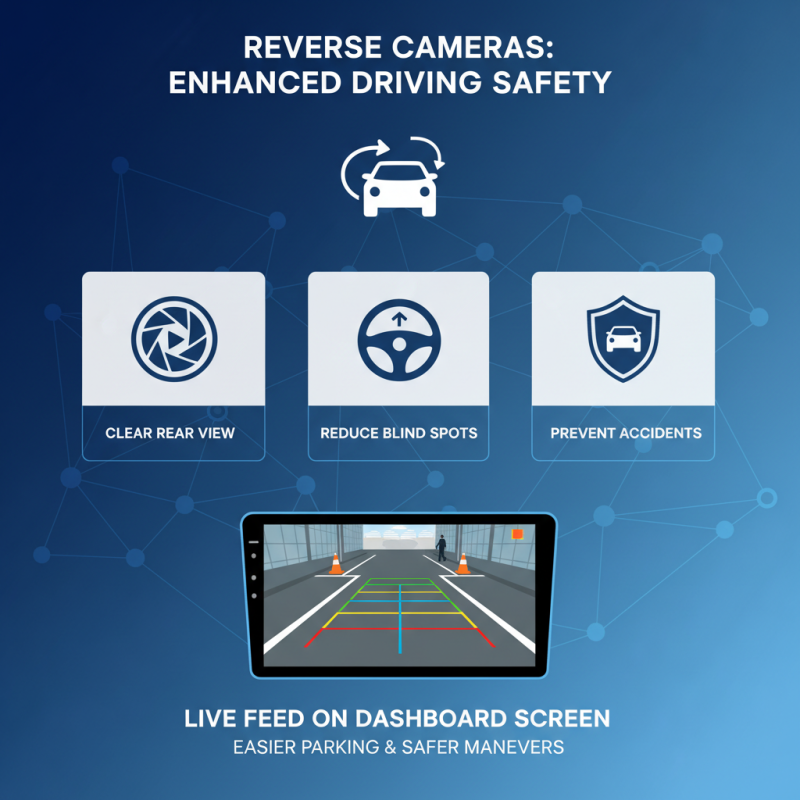
The operation of a Reverse Camera is straightforward yet powerful. When the vehicle is put into reverse, the camera activates and displays a live video feed on the vehicle's dashboard screen. This view not only helps drivers gauge distances but also highlights potential hazards that are not otherwise visible. By integrating this additional layer of awareness, the Reverse Camera effectively reduces the chances of costly accidents and injuries, making it a critical component in modern vehicle safety systems. As we delve deeper into the workings of Reverse Cameras and their role in promoting safer driving practices, it becomes evident that this technology is more than just a convenience; it is a vital tool for ensuring the well-being of everyone on the road.
What is a Reverse Camera: Definition and Overview
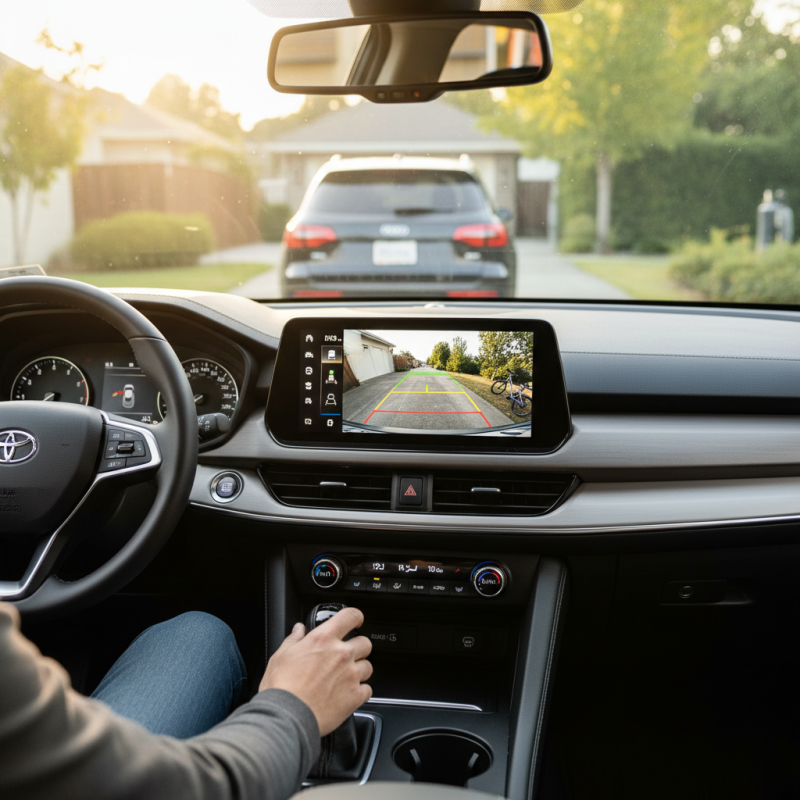
A reverse camera, often termed a rearview camera, is a safety feature installed in vehicles that provides drivers with a clear view of the area behind their car. This device typically activates when the vehicle is put into reverse, displaying a video feed on an in-dash monitor or a separate screen. It employs wide-angle lenses to capture a broad view of the rear surroundings, helping to eliminate blind spots that could otherwise lead to accidents during backing maneuvers.
Incorporating a reverse camera significantly enhances driving safety by reducing the risk of collisions with pedestrians, objects, or other vehicles. It allows the driver to make better-informed decisions while reversing, especially in congested spaces, such as parking lots or residential areas.
**Tips:** Always check the camera display before you start reversing, and make it a habit to glance over your shoulder for additional visibility. Regularly clean the camera lens to prevent dirt and debris from obstructing your view. Additionally, it’s a good practice to familiarize yourself with the layout of your vehicle's surroundings, as this can further enhance your awareness while reversing.
Importance of Reverse Cameras in Modern Vehicles
Reverse cameras have become an essential feature in modern vehicles, significantly enhancing driving safety. These cameras provide a clear view of the area behind the vehicle, allowing drivers to monitor their surroundings effectively while reversing. By displaying a live video feed on a dashboard screen, reverse cameras help mitigate the risk of accidents that could result from blind spots. This technology is particularly beneficial in urban settings where tight parking spaces and pedestrian traffic pose major hazards.
When utilizing a reverse camera, it’s essential to keep in mind a few helpful tips. First, always ensure that the camera lens is clean and unobstructed; dirt or debris can impair visibility. Secondly, while reverse cameras are a great aid, they shouldn’t replace careful head checks. Always glance over your shoulder before and during reversing to ensure complete awareness of your surroundings. Additionally, consider using the grid lines typically displayed on the screen to gauge distances more accurately, making it easier to park safely.
As the importance of reverse cameras continues to grow, drivers should familiarize themselves with how to use this technology effectively. Understanding the limitations of the system is crucial; reverse cameras might not capture low-lying obstacles or objects directly behind the vehicle. Thus, combining the visual aid of a reverse camera with traditional checking methods can make a significant difference in ensuring safety on the road.
Statistics on Driving Accidents and Blind Spots
Blind spots are a significant factor in driving accidents, contributing to countless collisions each year. Statistics reveal that a considerable percentage of accidents occur when drivers fail to notice vehicles, cyclists, or pedestrians in their blind spots. In fact, studies show that nearly 30% of all accidents result from a lack of awareness of the surroundings, underscoring the importance of improving visibility while driving.
One effective solution to enhance safety and reduce blind spot-related incidents is the installation of a reverse camera. This technology provides a clear, real-time view of the area behind the vehicle, effectively eliminating blind spots that traditional mirrors often fail to cover. Utilizing a reverse camera can diminish the risk of accidents during parking maneuvers or when backing out of driveways, especially in crowded urban environments.
Tips for safe driving with a reverse camera include regularly checking the camera's functionality to ensure it provides a clear view, especially after adverse weather conditions. Additionally, drivers should still turn their heads to visually confirm the surroundings, as the camera should serve as a supplement, not a replacement, for comprehensive situational awareness. Finally, make it a habit to familiarize yourself with the dimensions of your vehicle, as this knowledge can enhance your ability to judge space more accurately while reversing.
Benefits of Reverse Cameras in Enhancing Driver Awareness
Reverse cameras, also known as backup cameras, have become an essential feature in modern vehicles, significantly enhancing driver awareness and safety. According to a report from the National Highway Traffic Safety Administration (NHTSA), backup cameras can reduce the risk of backover crashes by nearly 30%. This technology provides drivers with a clear view of the area directly behind their vehicles, minimizing blind spots that often lead to accidents, especially in crowded urban environments where pedestrian traffic is high.
Research indicates that around 210 fatalities and 15,000 injuries occur annually in the U.S. due to backover incidents, underscoring the need for enhanced visibility when reversing. Reverse cameras not only assist in preventing collisions but also foster increased confidence among drivers, especially new ones. The Insurance Institute for Highway Safety (IIHS) states that a vehicle equipped with a reverse camera is less likely to be involved in accidents during low-speed maneuvers, illustrating the system's crucial role in improving overall driving safety.
Moreover, these cameras often come with additional features such as guidelines displayed on the screen, helping drivers judge distances accurately and navigate tight spaces safely. As the automotive industry continues to innovate, integrating reverse camera systems illustrates a commitment to increasing road safety and protecting vulnerable road users, further building the case for mandatory inclusion in all vehicles in the near future.
What is a Reverse Camera and How Does It Enhance Driving Safety
| Feature |
Description |
Benefit |
| Visual Guidance |
Provides a clear view of the area behind the vehicle |
Minimizes blind spots and increases safety |
| Obstacle Detection |
Alerts drivers to obstacles when reversing |
Reduces the risk of accidents |
| Parking Assistance |
Helps in aligning the vehicle while parking |
Simplifies parking in tight spaces |
| Real-time Feedback |
Displays live feed from the camera on the dashboard |
Increases driver awareness of surroundings |
| Night Vision |
Enhances visibility in low-light conditions |
Improves safety during night driving |
Technological Advances and Future Trends in Reverse Camera Systems
The evolution of reverse camera systems has dramatically enhanced vehicle safety, reducing the likelihood of accidents during low-speed maneuvers. According to a report by the National Highway Traffic Safety Administration (NHTSA), backover incidents are responsible for over 200 fatalities each year in the United States alone. In light of this, manufacturers have been investing heavily in technology to improve reverse cameras and make them more effective. The integration of high-definition cameras provides clearer images, enabling drivers to visualize their surroundings better. Additionally, many systems now feature advanced technologies such as dynamic guidelines that adapt as the steering wheel is turned, offering a more intuitive driving experience.
Looking ahead, future trends in reverse camera technology are expected to involve the incorporation of augmented reality (AR) and artificial intelligence (AI). Research from MarketsandMarkets indicates that the global automotive camera market is projected to grow from $5.5 billion in 2020 to over $13 billion by 2025, with reverse cameras accounting for a significant portion of this growth. By integrating AR, drivers may receive additional context, such as projected paths and obstacles in real time. AI can enhance this further by identifying pedestrians and other hazards, ultimately enabling a more proactive approach to driving safety. As technology continues to evolve, the capabilities of reverse camera systems will likely play a crucial role in minimizing accidents and protecting drivers, passengers, and pedestrians alike.
Impact of Reverse Camera Systems on Driving Safety