What is a Rear View Camera Kit and How Does It Improve Driving Safety?
As driving conditions become increasingly challenging and the number of vehicles on the road continues to rise, it is crucial to prioritize driving safety. One innovative solution to enhance safety measures in vehicles is the "Rear View Camera Kit." According to Dr. Emily Johnson, an expert in automotive safety systems, "A rear view camera not only improves visibility but also significantly reduces the risk of accidents during reversing, particularly in crowded urban areas."
The Rear View Camera Kit provides drivers with a clear view of what lies behind their vehicle, allowing them to maneuver safely in tight spaces and mitigate blind spots that traditional mirrors cannot eliminate. By integrating advanced technology into vehicles, these kits contribute to a safer driving experience, reducing the likelihood of collisions with pedestrians or other obstacles.
In this discussion, we will explore the functionality of Rear View Camera Kits, the various features they offer, and how they contribute to overall road safety. As vehicles evolve, the implementation of such safety technologies stands at the forefront of a significant shift in how we approach driving and the prevention of accidents.

Definition of a Rear View Camera Kit and Its Components
A rear view camera kit is an essential safety feature in modern vehicles, designed to assist drivers by providing a clear view of the area directly behind the vehicle. These kits typically consist of a camera mounted at the rear of the car, a display screen located inside the vehicle, and the necessary wiring to connect the two components. The camera captures real-time video footage, which is transmitted to the display screen, allowing the driver to see obstacles that might not be visible through traditional rearview mirrors.
According to a report from the National Highway Traffic Safety Administration (NHTSA), studies show that rear view cameras can significantly reduce the risk of backover accidents. In fact, it is estimated that these accidents result in approximately 292 fatalities and 14,000 injuries each year in the United States alone. By providing a wider field of vision and eliminating blind spots, rear view camera kits enhance situational awareness, especially in crowded parking lots or driveways. The implementation of such safety technology not only benefits drivers but also protects pedestrians, particularly children and senior citizens, who are most vulnerable during these types of incidents.
How Rear View Camera Kits Work: Technology Behind the Safety Features
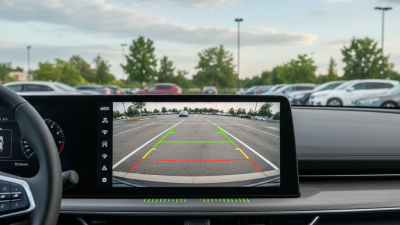
Rear view camera kits are essential technological advancements designed to enhance driving safety. These kits typically include a camera mounted on the rear of the vehicle and a display screen located inside where the driver can easily see it. When the vehicle is put in reverse, the camera activates, providing a live feed of the area directly behind the car. This picture drastically reduces blind spots and helps drivers detect obstacles or pedestrians that may not be visible through traditional mirrors, thereby preventing accidents.
The technology behind rear view camera kits largely relies on high-resolution imaging and wide-angle lenses, which capture a broader view of the area behind the vehicle. Many systems also incorporate features like grid lines, which aid in parking by illustrating the vehicle's trajectory. Additionally, some advanced kits use sensors that alert drivers to potential obstacles with audible warnings, further enhancing situational awareness. This combination of visual and auditory cues empowers drivers to make safer decisions while reversing, significantly contributing to overall roadway safety for both drivers and pedestrians alike.
Benefits of Using a Rear View Camera for Drivers and Passengers
The rear view camera kit has transformed the way drivers and passengers experience road safety. According to the National Highway Traffic Safety Administration (NHTSA), backover accidents result in over 200 fatalities and 15,000 injuries each year in the United States alone. Implementing a rear view camera significantly mitigates these risks by offering a clearer view of the area behind the vehicle. This technology aids drivers in detecting obstacles such as pedestrians, bicycles, or other vehicles that may not be visible through traditional mirrors.
Using a rear view camera not only enhances the safety of those inside the vehicle but also protects pedestrians, particularly children, who are often difficult to see. A study from the Insurance Institute for Highway Safety indicated that vehicles equipped with rear view cameras had a 17% lower chance of being involved in a backover incident compared to those without this technology. This improvement is critical, especially in urban environments where tight parking spaces and heavy foot traffic are prevalent.
Tips for drivers: Always ensure your rear view camera is clean and functioning properly to maintain visibility. When reversing, take extra caution by checking mirrors and physically turning to look outside the vehicle, using the camera as an additional resource. This multi-faceted approach to safety can fundamentally enhance the driving experience for everyone on the road.
What is a Rear View Camera Kit and How Does It Improve Driving Safety?
| Feature |
Description |
Benefits |
| Wide Angle Lens |
Provides a broader view of the area behind the vehicle. |
Reduces blind spots, making reversing safer. |
| Night Vision |
Enhances visibility in low light conditions. |
Improves overall safety when driving at night. |
| Grid Lines |
Visual guides that help drivers judge distances. |
Facilitates parking and maneuvering in tight spaces. |
| Audio Alerts |
Acoustic signals that indicate proximity to obstacles. |
Provides an additional layer of safety by alerting drivers to nearby hazards. |
| Easy Installation |
Many kits are designed for DIY installation. |
Saves on installation costs while enhancing vehicle safety. |
Installation Process: How to Install a Rear View Camera Kit in Your Vehicle
Installing a rear view camera kit in your vehicle can enhance your driving experience by providing better visibility while reversing. The installation process typically begins with gathering all necessary tools and components, which may include the camera, display monitor, wiring harness, and mounting brackets. First, you'll want to locate the best mounting spot for the camera, usually above the rear license plate, ensuring it has a clear view of the area behind your vehicle. Using a drill, you can secure the camera in place, taking care to preserve the waterproofing features.
Next, you'll need to run the wiring from the camera to the display monitor, which is typically mounted on the dashboard or rearview mirror. This involves carefully routing the wires through the vehicle’s interior, ensuring they are hidden and secure. It's essential to connect the power supply to the camera—often through the vehicle's reverse light—so the camera activates automatically when the vehicle is put in reverse. Following these steps will not only improve your ability to detect obstacles while reversing but also contribute significantly to overall driving safety.
Driving Safety Improvements with Rear View Camera Kits
This bar chart illustrates the safety improvements associated with the installation of rear view camera kits, showcasing reductions in accident rates, enhancements in driver awareness, better parking accuracy, and overall satisfaction with the use of such technology.
Comparing Rear View Cameras with Traditional Mirrors for Enhanced Visibility
Rear view cameras offer a significant upgrade over traditional mirrors, primarily in terms of visibility and safety. While traditional mirrors provide a limited field of view, rear view cameras present a comprehensive image of the area behind the vehicle. This expanded perspective reduces blind spots, allowing drivers to be more aware of their surroundings, particularly when reversing. Unlike mirrors, which can be obstructed by headrests or passengers, rear view cameras deliver a clear view, enabling safer navigation in tight spaces or crowded environments.
The integration of rear view cameras into vehicles also enhances driver confidence. Many modern systems include additional features like grid lines to assist with parking, which help drivers judge distances more accurately. Drivers can monitor real-time video feed, providing a dynamic view instead of relying solely on fixed mirrors. This technology can be especially beneficial in urban areas or for larger vehicles, where maneuvering can be challenging. Overall, the adoption of rear view cameras significantly improves driving safety by offering superior visibility compared to traditional mirrors, empowering drivers to make better-informed decisions on the road.