Why Do You Need a Backup Camera For Your Car?
In today’s world, road safety is paramount. One tool that enhances safety is a backup camera for car. This device helps drivers see what’s behind them, reducing the risk of accidents. Imagine backing out of a driveway and spotting children playing or obstacles in the way. A backup camera for car makes this possible.
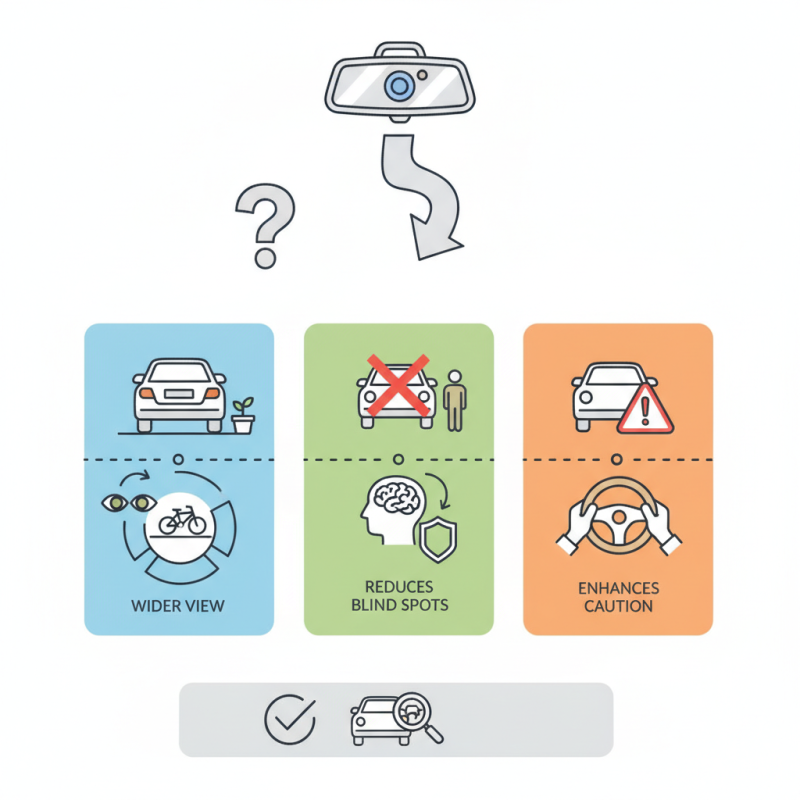
Many drivers underestimate the power of this technology. They might think their mirrors are enough. However, blind spots can hide important details. A backup camera provides a wider view. It captures everything behind your car in real-time.
However, relying solely on this technology can lead to complacency. Drivers should still check their surroundings. A backup camera for car is a valuable tool, but it shouldn’t replace cautious driving. It is a reminder to stay alert while on the road.
The Importance of Backup Cameras in Modern Vehicles
Backup cameras have become essential in modern vehicles. They provide a clear view of what is behind the car. This feature significantly reduces blind spots. Drivers can see obstacles, pets, or children that might be lurking behind. The added visibility ensures safer reversing, especially in crowded areas. Many accidents occur due to lack of awareness when backing up. A backup camera helps alleviate this risk.
Not everyone understands the full importance of backup cameras. Some might think of them as just a convenience. However, they are crucial in preventing accidents. They help drivers make better decisions when reversing. Relying solely on mirrors can be misleading. Cameras offer a wider field of vision. Without them, drivers may encounter unexpected surprises. Reflecting on personal experiences can highlight their significance. Have you ever wished you had a better view while reversing? These cameras might just save a life, or at least avoid costly damage.
Importance of Backup Cameras in Modern Vehicles
How Backup Cameras Enhance Driving Safety
Backup cameras have become essential for enhancing driving safety. According to the National Highway Traffic Safety Administration (NHTSA), backup cameras can reduce blind spots significantly. A study revealed that vehicles with backup cameras have a 17% lower risk of backover accidents. This data highlights their effectiveness in preventing collisions.
Tips: Always check surroundings before reversing. Even with a camera, look around.
The technology behind these cameras displays a clear view of what’s behind the vehicle. This feature is crucial in crowded parking lots or busy streets. Many accidents happen because drivers can't see small children or pets. With a backup camera, these obstacles become visible. Statistics show that about 232 fatalities occur each year due to backover accidents.
Tips: Train yourself to rely on both the camera and mirrors. This practice fosters a safer driving habit.
Backup cameras not only enhance safety but also boost driving confidence. When drivers feel secure, they make better decisions. However, it's important to remember that cameras can't replace attentive driving. They are an aid, not a solution. Regularly check the camera’s functionality to ensure it works properly.
Key Features of Backup Camera Systems
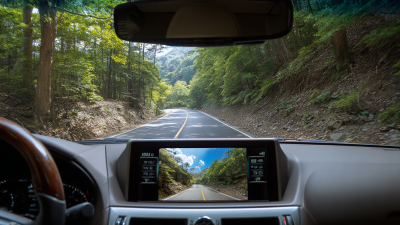
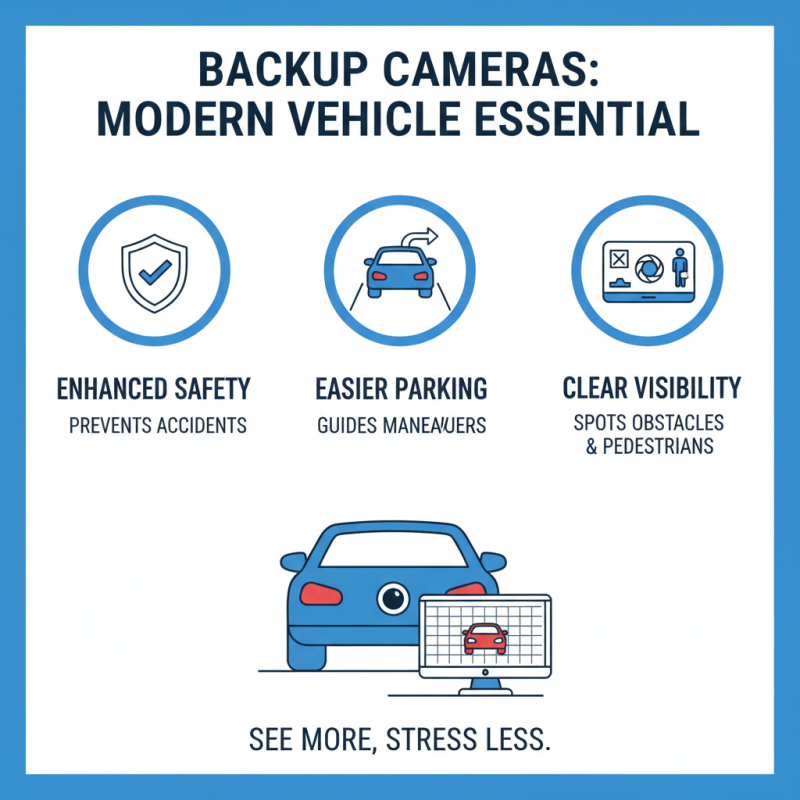
Backup cameras are crucial for modern vehicles. They enhance safety by providing a clear view of what's behind your car. This not only prevents accidents but also makes parking easier. A high-resolution screen displays the camera feed, ensuring you don’t miss obstacles or pedestrians.
Key features of backup camera systems include wide-angle lenses. This allows drivers to see more of the rear area. Night vision capabilities help in low-light conditions, which is essential for evening driving. Some systems even have grid lines, assisting you in judging distances accurately.
Tips: Always check your camera’s angle. Adjust it for optimal visibility. Regularly clean the lens to avoid dirt obstructing your view. If the screen is too dim, adjust the brightness settings. Your safety matters, so stay vigilant.
Legal Regulations and Recommendations for Backup Cameras
The importance of backup cameras in vehicles cannot be overstated, especially considering legal regulations. In the U.S., the National Highway Traffic Safety Administration (NHTSA) mandates that all new cars must have a rearview camera by 2018 to enhance safety. This regulation stems from alarming statistics: nearly 200 fatalities and over 12,000 injuries occur each year due to backover accidents.
Research highlights that backup cameras can significantly reduce these risks. A study by the Insurance Institute for Highway Safety found that rearview cameras cut the rate of backover accidents by 20%. However, not all drivers know how to use this feature effectively. Some may rely entirely on the camera, neglecting their mirrors or turning their heads.
Legal recommendations emphasize that cameras should be just one tool among many. Drivers are encouraged to maintain a complete view of their surroundings. States like California have introduced laws mandating the use of additional safety measures, such as parking sensors. Yet, compliance can sometimes feel like a checklist rather than an ingrained habit. The challenge remains: ensuring that technology complements vigilant driving habits.
Future Trends in Backup Camera Technology
Backup cameras are becoming essential in modern vehicles. They help drivers avoid obstacles and enhance safety when reversing. As technology evolves, these cameras are set to become even more advanced. One exciting trend is the integration of artificial intelligence. AI can analyze the surroundings in real-time. It identifies objects and can even alert the driver about potential hazards. This makes parking and maneuvering in tight spaces much easier.
Another development is the improvement in camera resolution. Higher quality images give drivers a clearer view of what's behind them. Enhanced night vision capabilities will also be a game changer. Darkness can make reversing a challenge. Cameras that operate effectively at night will increase safety exponentially. Furthermore, the addition of dashboard displays that provide a 360-degree view is gaining traction. These innovations allow drivers to see their entire surroundings at a glance.
Despite these advancements, challenges remain. Not all drivers fully trust the technology. Misinterpretation of camera data can lead to accidents. It's important for drivers to stay alert and not rely solely on electronic aids. While backup cameras can greatly assist, they should complement good driving habits, not replace them. Thus, as we move forward, fostering a balance between technology and traditional driving skills is crucial.
Why Do You Need a Backup Camera For Your Car? - Future Trends in Backup Camera Technology
| Feature |
Current Technology |
Future Trends |
| Image Quality |
Standard Definition |
4K Resolution |
| Viewing Angle |
120 Degrees |
180 Degrees |
| Integration with Other Systems |
Basic Dashboard Display |
Augmented Reality Features |
| Night Vision |
Limited |
Advanced Infrared Technology |
| Safety Alerts |
Basic Beep Alerts |
360-Degree Awareness Systems |