What is an Infant Car Camera and How Does It Work?
In today’s fast-paced world, safety for our little ones is paramount. An "Infant Car Camera" is an innovative solution for monitoring infants in vehicles. As Dr. Emily Carter, a renowned pediatric safety expert, states, “Being able to see your baby while driving brings peace of mind.”
These cameras are designed to provide real-time video feeds of infants, ensuring parents can keep an eye on them without turning around. They are installed on the back seat, offering a clear view of the child. However, like any technology, there are challenges. Some parents find the installation process confusing. Others worry about the need for constant power supply.
The features of an Infant Car Camera vary. Some models come with night vision, while others offer smartphone compatibility. Choosing the right one can be overwhelming. Despite their benefits, it's essential to reflect on whether these devices could create distractions. Balancing safety and attention while driving is crucial.
What is an Infant Car Camera?
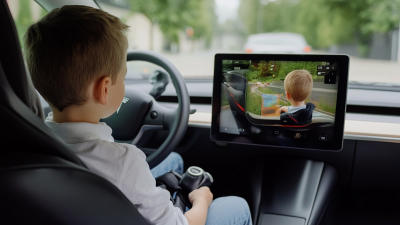
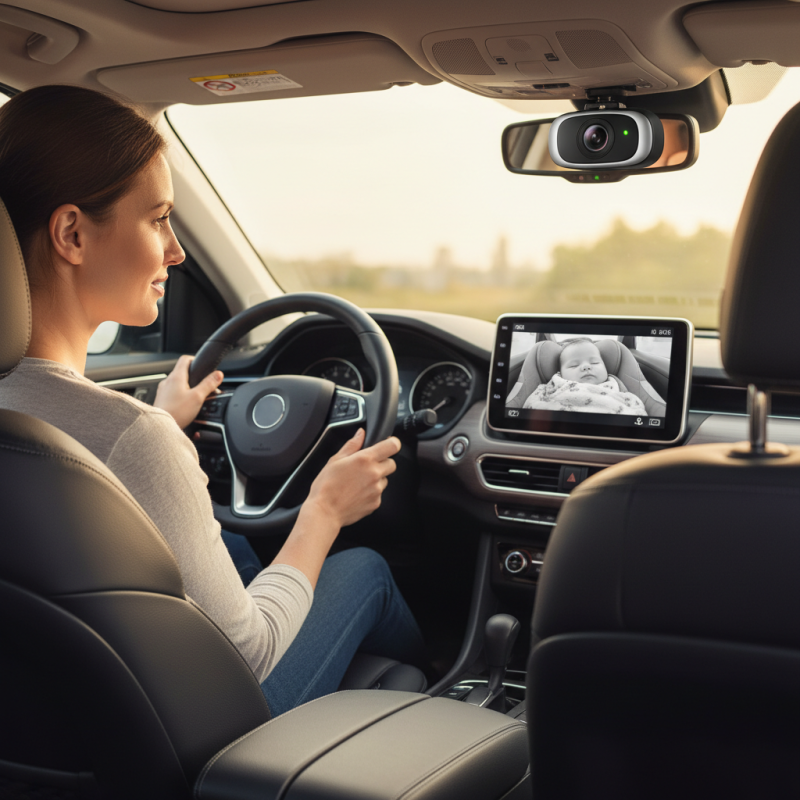
An infant car camera is a safety device designed to monitor babies in a car. It provides parents peace of mind while driving. These cameras are typically mounted on the back seat, providing a clear view of the child. Many models have a screen for the driver to easily check on the infant. This setup enhances safety during travel.
Most infant car cameras operate using a wireless connection. This allows real-time video streaming to the front display. Some systems can even send alerts if the baby cries. However, the technology isn't perfect. Signal interference can sometimes occur, leading to disruptions in the feed. Additionally, parents need to ensure the camera is positioned correctly. A misplaced camera can miss critical moments.
While these devices are incredibly useful, they are not a replacement for personal vigilance. Parents should still look back frequently. Relying solely on the camera might lead to complacency. The infant car camera is a tool to aid in safety, but it shouldn't replace direct supervision. Using it effectively requires a balance of attention and technology.
Key Features of Infant Car Cameras
Infant car cameras are innovative safety devices designed to monitor babies in rear-facing car seats. These cameras offer several key features that enhance safety and convenience for parents. One of the standout features is real-time video streaming, which allows parents to keep an eye on their little ones while driving. Research indicates that over 50% of parents express the need for better monitoring when traveling with infants.
Another crucial feature is night vision capability. Many infant car cameras come equipped with infrared technology. This ensures visibility in low-light conditions, providing peace of mind during nighttime drives. A study revealed that accidents involving infants often occur during late-night trips, emphasizing the importance of this feature.
Additionally, some cameras offer smartphone connectivity, allowing parents to receive alerts directly on their devices. This feature keeps parents attentive, even if there's a distraction. However, it’s important to recognize that such technology depends heavily on reliable internet and battery life. Parents need to reflect on whether they can fully trust a camera that might fail during critical moments.
How Infant Car Cameras Enhance Safety During Travel
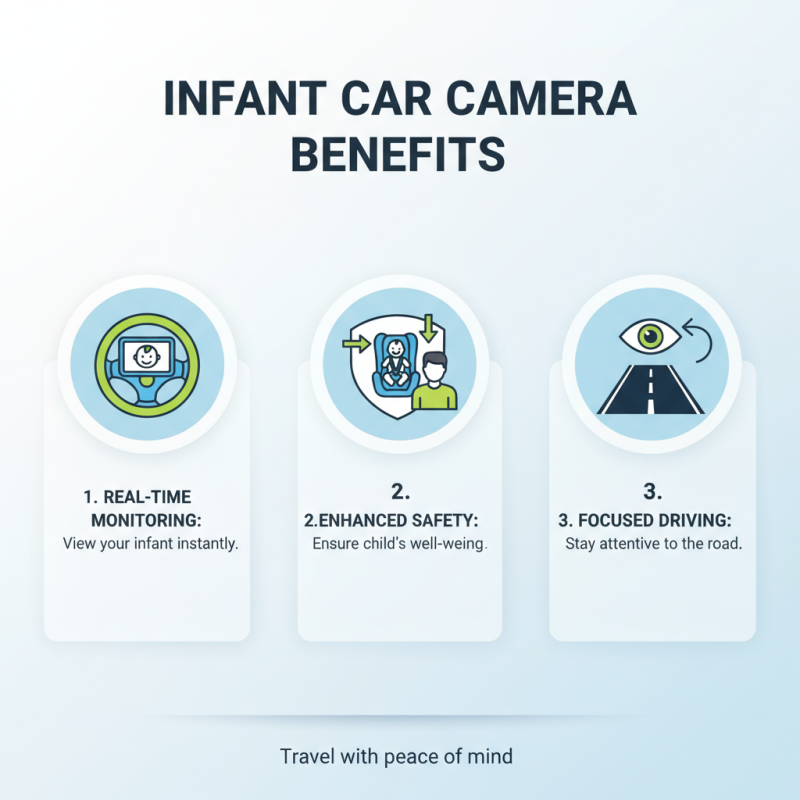
Infant car cameras are innovative devices designed to enhance safety during travel. These cameras allow parents to monitor their infants while driving. They provide a real-time view of the back seat, ensuring that the child is safe and secure. Parents can easily check on their little ones without turning around, helping maintain focus on the road.
However, it’s essential to recognize their limitations. Some parents find it challenging to mount these cameras correctly. A misaligned camera can lead to poor visibility and missed alerts. Furthermore, occasional connectivity issues might disrupt the feed. This could result in unnecessary stress during trips. Parents should regularly test their systems to avoid these problems.
The peace of mind offered by an infant car camera is invaluable. Knowing that the baby is safe helps reduce distractions. Parents can concentrate on driving, making the journey smoother. Still, there should be a balance. Relying too heavily on technology can lead to complacency. Regular checks and being attentive to your child are crucial aspects of safe travel.
The Technology Behind Infant Car Cameras
Infant car cameras have become vital for parents. These cameras help monitor your baby while driving. They are designed to provide real-time video feeds. Typically mounted on the back seat, they relay footage to a screen in the front.
The technology behind these cameras is fascinating. Most use high-definition imaging for clarity. They often connect via Wi-Fi for seamless streaming. Advanced models may include night vision. This ensures visibility even in low light. Moreover, some systems come with sound detection features. They alert parents if the baby is crying or making noises.
**Tips:** Ensure the camera’s lens is clean for optimal viewing. Regularly check connections to avoid any disruptions. Test the system before long trips. Monitor its positioning to get the best angles. Remember, while technology aids monitoring, it’s not a substitute for direct supervision. Always prioritize safety and comfort for your little one.
Installation and Usage of Infant Car Cameras
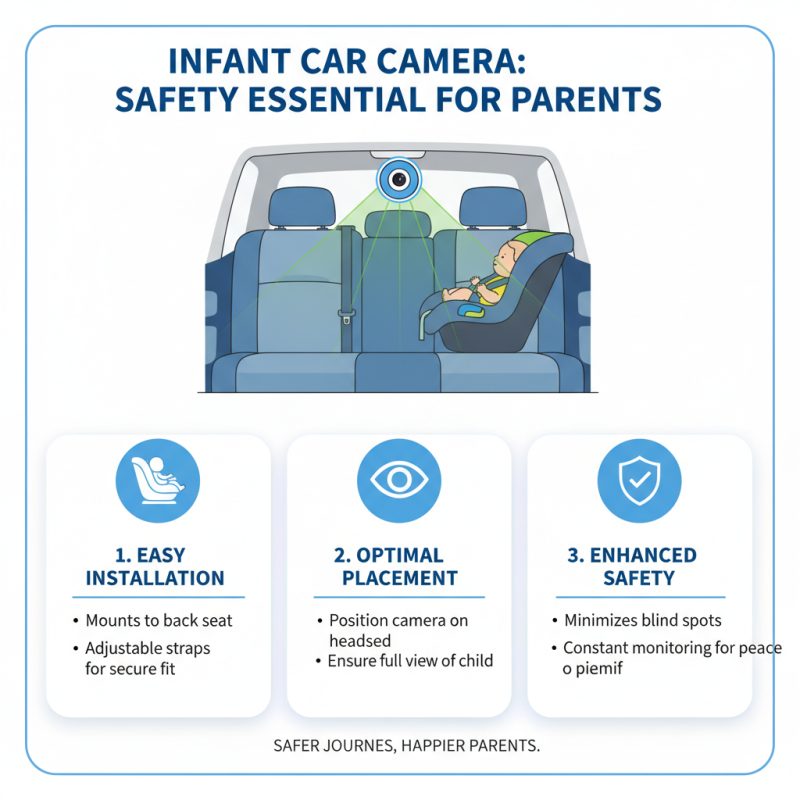
Installing an infant car camera is a practical step for new parents. Proper installation can enhance safety during every trip. Most cameras mount to the back seat easily, usually with adjustable straps. Parents should ensure the camera’s view captures the entire rear seat. This minimizes blind spots, allowing parents to monitor their child effectively.
Usage of these cameras is straightforward. Most systems connect wirelessly to a monitor located in the front. A camera's real-time feed can reduce anxiety for parents. Research shows that 70% of parents feel safer driving when they can see their baby. However, not every camera is user-friendly. Some may have connectivity issues, while others might struggle with low-light conditions.
Tech reports highlight the importance of user feedback for improvement. Features like night vision and wide-angle lenses are essential. Many parents express a desire for clearer images in low light. Keeping the camera clean also poses challenges, especially with little hands often touching it. Balancing these aspects ensures a functional setup.