Choosing the right Digital Backup Camera is crucial in today’s tech-driven world. According to a recent industry report by the Imaging Resource Institute, over 75% of consumers rely on such cameras for enhanced safety while driving. Expert John Turner, a renowned automotive technology analyst, states, “The right Digital Backup Camera can significantly reduce blind spots, improving driver awareness.”
Selecting a quality backup camera is not just about features. It’s about finding a system that meets your specific needs. In a market flooded with options, discerning features like resolution, durability, and ease of installation can be tough. Many users overlook the importance of a wide viewing angle, which is key for comprehensive coverage.
As technology evolves, the need for reliable safety tools like Digital Backup Cameras becomes more pressing. With increasing vehicular accidents caused by poor visibility, making an informed choice is essential. Reviews and real-world user experiences play a critical role in decision-making. Taking time to research can prevent costly mistakes down the road, highlighting the importance of a strategic approach.
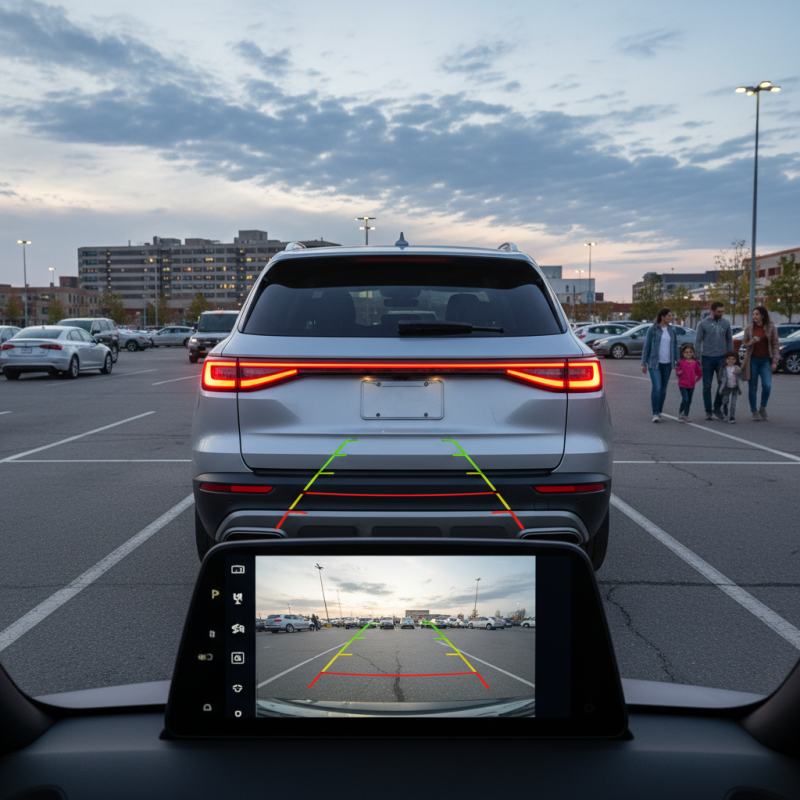
When considering a digital backup camera, it's essential to grasp its fundamental features. Digital backup cameras provide a clear view of the area behind your vehicle. This is crucial for avoiding accidents and improving parking accuracy. Understanding the camera's resolution is vital. A higher resolution gives a clearer image, making it easier to spot obstacles.
Tip: Focus on the camera's field of view. A wider angle captures more of the surrounding area. This is especially helpful when reversing or changing lanes. Additionally, consider how the camera integrates with your vehicle's display. A seamless connection enhances usability.
Another aspect to reflect on is the weatherproof features. Cameras often face harsh conditions, from rain to dust. Ensuring your camera can withstand these elements adds reliability. Remember, installation matters too. Some systems are straightforward, while others may require professional assistance. It’s crucial to assess your comfort level with installation. This decision can impact functionality and user experience significantly. A simple setup might be less intimidating but could limit features. Choose wisely!
| Tip | Description | Key Features | Considerations |
|---|---|---|---|
| 1. Determine Your Needs | Assess what features are important based on your photography style. | Resolution, Zoom capabilities | Understand your primary use cases |
| 2. Check Image Quality | Ensure the camera provides high-resolution images. | Megapixels, ISO range | Consider low-light performance |
| 3. Look for Size and Weight | Choose a camera that is easy to carry. | Compact design, Lightweight | Balance features with portability |
| 4. Evaluate Battery Life | Long battery lifespan is crucial for extensive use. | Battery capacity, Recharge time | Consider spare batteries |
| 5. Review Camera Settings | Manual settings allow for greater control. | Aperture, Shutter speed settings | More features can mean a steeper learning curve |
| 6. Consider the Lens Options | Variety of lenses expands shooting capabilities. | Interchangeable lenses, Lens types | Lens quality influences image outcomes |
| 7. Look for Connectivity Features | Wi-Fi and Bluetooth for easy sharing. | Wireless capabilities, App compatibility | Check for software support |
| 8. Explore Video Capabilities | Consider a camera that can shoot high-definition video. | Video resolution, Frame rates | Stabilization features are beneficial |
| 9. Read User Reviews | Learn about real-world performance from users. | Ratings, Insights on usability | Look for common issues |
| 10. Set a Budget | Determine how much you are willing to spend. | Price range, Value for money | Balance quality with budget constraints |
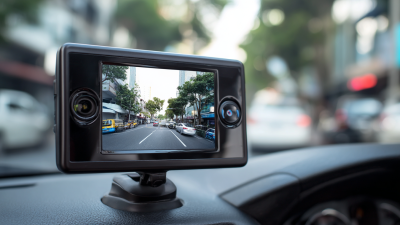
When selecting a digital backup camera, key features can greatly impact your decision. One essential aspect is image quality. Look for cameras with high resolution to ensure clear and sharp photos. The lens type matters too. A wide-angle lens can capture more of the scene, making it particularly useful for landscapes and group shots.
Another crucial feature is low-light performance. Cameras that perform well in dim conditions can be a game-changer. Consider those with larger sensors. They tend to manage noise better, resulting in cleaner images. Battery life is also vital. You don’t want to miss important moments due to a dead battery. Finally, check the ease of use. A user-friendly interface can drastically reduce the learning curve.
Reflecting on these factors is important. What features truly meet your needs? A camera might excel in technical specs but may not feel comfortable in your hands. Don't ignore reviews from other users. Their experiences can offer valuable insights. Balancing personal preferences with technical features will lead to a more satisfying choice.
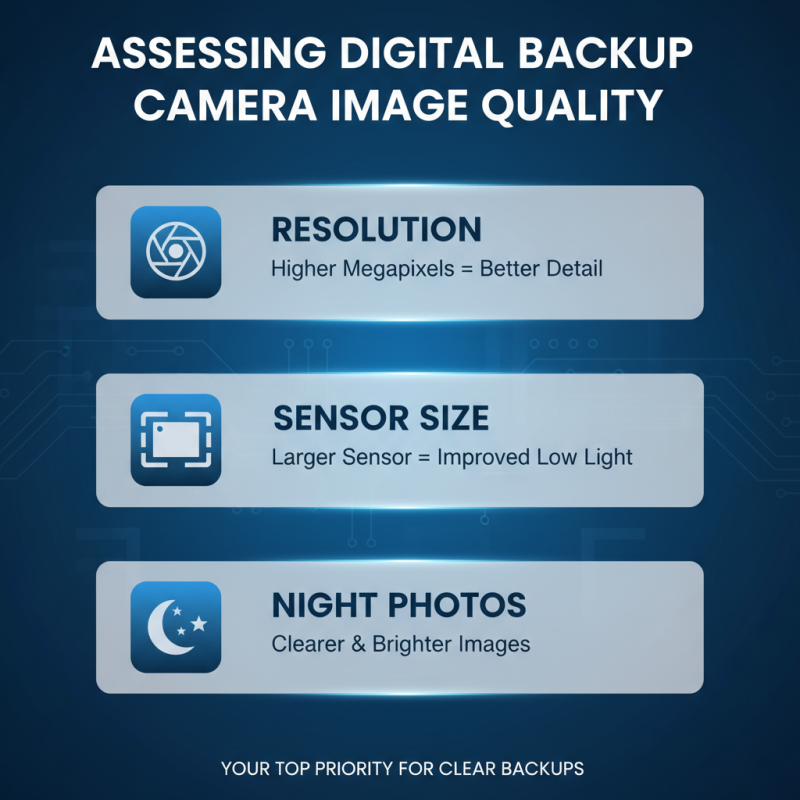
When choosing a digital backup camera, image quality must be your top priority. Look for cameras that offer good resolution. Higher megapixels generally mean better detail. However, it’s crucial to check the sensor size. Larger sensors often perform better in low light. This can make night photos clearer and more vibrant.
Evaluating performance standards is just as vital. Consider the autofocus speed and accuracy. A camera that focuses quickly on moving subjects is essential for action shots. Test the shutter speed, too; a fast response time can save precious moments. Pay attention to how the camera handles noise at various ISO levels. You want clarity, especially in low-light conditions.
Try renting or borrowing models to assess them firsthand. This way, you can gauge their performance in real-world scenarios. Your personal experience will provide invaluable insight. Don't rush the decision. Take the time to explore, reflect, and choose wisely.
Choosing a digital backup camera requires careful evaluation, especially regarding budget options. A recent report from the Camera and Imaging Products Association stated that over 60% of consumers prioritize price over features when selecting cameras. This trend highlights the importance of finding value for money in today's market.
Explore various price ranges to ensure you get the best functional camera for your needs. Consider that many affordable cameras offer high-resolution sensors and decent performance. However, some budget options can compromise on durability or low-light capabilities. Reviews from independent tech websites indicate that consumers often overlook these vital features while focusing solely on price.
Existing surveys illustrate that buyers frequently regret not investing a bit more in quality. They later find that cheaper models may not meet their long-term needs. Relying on user testimonials can provide insights into the reliability of budget cameras. Balancing price with essential features is crucial for making an informed decision. Look for cameras that meet your primary photography requirements without compromising performance.
When choosing a digital backup camera, understanding various brands and models is crucial. Each brand has its strengths and weaknesses. Some focus on compact designs, while others prioritize image quality. You might prefer one that fits comfortably in your hand or a model that captures stunning low-light photographs.
Research is essential. User reviews can highlight real-world performance. Do certain models struggle in certain conditions? Look for patterns in feedback. Some brands may dominate in video quality, while others shine in still photography. Exploring specs like sensor size and resolution can guide your decision too.
Consider your specific needs. A beginner might prioritize ease of use, while an experienced photographer may look for advanced features. Weigh the pros against the cons. Can a camera with great performance be too heavy for travel? Reflect on what aspects matter most for your photography style. Each choice involves trade-offs that could impact your experience.