What is a Digital Backup Camera and How Does it Enhance Safety?
In recent years, the Digital Backup Camera has become an essential feature in modern vehicles. This technology enhances safety by providing drivers with a clear view of their rear surroundings. Many accidents occur when drivers reverse without proper visibility. A Digital Backup Camera helps prevent these incidents by displaying a live feed on the dashboard screen.
The camera's wide-angle lens captures a larger area than traditional mirrors. This ensures that blind spots are minimized. However, it’s important to note that reliance solely on this device may lead to complacency. Drivers should still check their surroundings visually. In some cases, the camera may not detect small objects or children.
While the Digital Backup Camera significantly improves safety, it is just one part of a comprehensive driving strategy. This technology is a valuable tool, but it should not replace attentive driving. Understanding its limitations is crucial for maximizing safety on the road.

Definition and Functionality of a Digital Backup Camera
A digital backup camera is a device that helps drivers monitor the area behind their vehicles. It typically includes a camera mounted on the rear and a display screen inside the vehicle. This setup offers a clear view of obstacles that are often hidden from the driver’s sight. Additionally, it mitigates blind spots, making reversing safer.
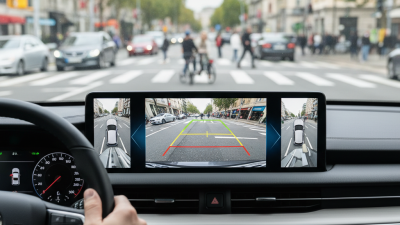
The functionality of a digital backup camera goes beyond just providing a visual assist. Some systems offer grid lines on the screen to help gauge distances. This can be particularly useful in tight parking situations. However, it is also worth noting that reliance on these cameras may lead to complacency. Drivers might overlook checking mirrors or looking over their shoulders, leading to potential accidents. A backup camera enhances safety but should not be the sole means of awareness.
Parking sensors often accompany these cameras. They provide audio alerts when the vehicle gets close to an object. This combination can greatly reduce the chances of collisions. Yet, drivers must still exercise caution. Technology has come a long way, but it cannot replace attentive driving behaviors.
Key Safety Benefits of Utilizing a Backup Camera in Vehicles
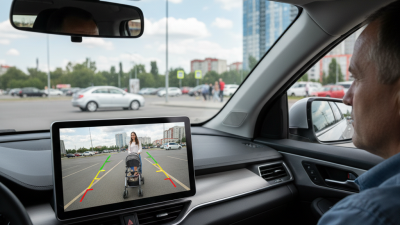
A digital backup camera is an essential safety feature in modern vehicles. Its primary function is to provide a clear view of the area behind the car. This technology uses a wide-angle lens, which captures more than traditional mirrors can. When drivers shift into reverse, the camera activates automatically. They can see obstacles, pedestrians, or pets that may not be visible otherwise.
Utilizing a backup camera significantly reduces accidents. Studies show that vehicles with this feature have lower collision rates during reversing. It helps prevent incidents like backing into a child or an object. Moreover, it provides an additional layer of awareness. Drivers become more alert to their surroundings.
However, reliance on technology is a concern. Some drivers might overlook checking mirrors. They may assume the camera is foolproof, which can lead to dangerous situations.
Backup cameras also enhance confidence for less experienced drivers. New drivers often struggle with spatial awareness. The camera simplifies reversing in tight spaces. Yet, it does not eliminate the need for caution. Drivers should still look around and use mirrors. While the technology aids safety, it cannot replace attentive driving habits. Balancing technology with responsibility is crucial for safe driving.
Technological Features of Modern Digital Backup Cameras
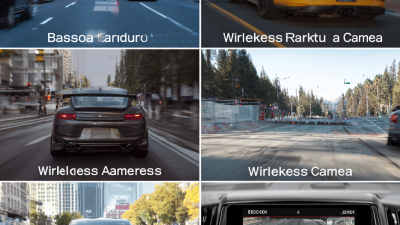
Modern digital backup cameras significantly enhance vehicle safety. They assist drivers in observing blind spots while reversing. These cameras use high-resolution sensors to provide a clear view of the surroundings. With wide-angle lenses, users can see a broader area behind their vehicles.
Many backup cameras feature grids or guidelines. These overlays help drivers gauge distance more accurately. Some systems include obstacle detection, alerting drivers of nearby objects. This prevents potential collisions with pedestrians or objects. Night vision capabilities further boost safety in low-light conditions.
Tips: Always clean your camera lens before driving. A dirty lens can obscure your view. Regularly check the camera's alignment to ensure it accurately reflects your vehicle's position.
Although digital backup cameras are helpful, they are not foolproof. Relying solely on technology can lead to oversight. Always check mirrors along with the camera view. Building safe driving habits is essential for all drivers.
Regulatory and Safety Standards for Backup Cameras in Cars
Backup cameras play a vital role in enhancing vehicle safety. Many countries enforce regulatory standards that ensure these cameras function effectively. These regulations stipulate required features, such as clear resolution and wide viewing angles. Compliance with these standards not only improves visibility but also reduces blind spots, lessening accidents during reversing.
Tips for drivers include regularly checking their backup camera’s functionality. Ensure your camera lens is clean and free from obstructions. Dirt or moisture could impair the image quality, leading to dangerous blind spots. Be aware of the limitations of the system; it cannot replace good driving habits.
Tests show that incorporating backup cameras can decrease reverse accidents significantly. However, users must not solely depend on them for safety. Scanning the environment before reversing remains crucial. Remember, technology supports safe driving but does not replace vigilance. Awareness of surroundings is still essential for a complete safety approach.
Impact of Backup Cameras on Road Safety
This chart illustrates the impact of backup cameras on accident rates during reversing maneuvers. With backup cameras, the accident rate significantly decreases compared to vehicles without this safety feature, demonstrating their effectiveness in enhancing road safety.
Future Trends in Backup Camera Technology and Safety Enhancements
The evolution of backup camera technology is shaping the future of vehicle safety. Recent advancements include enhanced image resolution, night vision, and integrated sensors. These features significantly improve a driver's situational awareness, particularly in low-visibility conditions. As more vehicles adopt these systems, the potential for preventing accidents rises. High-definition displays provide clearer views behind the vehicle, allowing drivers to spot objects or pedestrians easily.
Looking ahead, the integration of artificial intelligence could further enhance safety. Smart systems might analyze surroundings and alert drivers to possible hazards. For instance, the cameras may recognize children playing nearby and provide instant warnings. However, there are concerns about over-reliance on technology. Drivers might become complacent if they trust these systems too much. Regular user training and emphasis on traditional skills remain crucial.
Moreover, as cameras become ubiquitous, privacy issues could arise. Increased surveillance on public roads raises questions about data use. The balance between safety benefits and potential misuse needs careful consideration. Consequently, the development of secure and responsible camera systems will be essential for the future.
What is a Digital Backup Camera and How Does it Enhance Safety?
| Feature |
Description |
Safety Enhancement |
Future Trends |
| Wide Angle View |
Provides a broad field of vision behind the vehicle. |
Reduces blind spots and prevents collisions. |
Advanced image processing and higher resolution displays. |
| Night Vision |
Uses infrared technology to enhance visibility in low-light conditions. |
Improves safety during night driving. |
Integration with other safety systems like automatic braking. |
| Dynamic Guidelines |
Displays path trajectory to assist in parking. |
Facilitates safer maneuvering in tight spaces. |
Enhanced interactive features with augmented reality. |
| Obstacle Detection |
Sensors alert drivers to obstacles in the path. |
Prevents accidents in crowded areas. |
AI-driven systems that predict and react to potential hazards. |