How to Choose the Best Forklift Camera Kit for Safety?
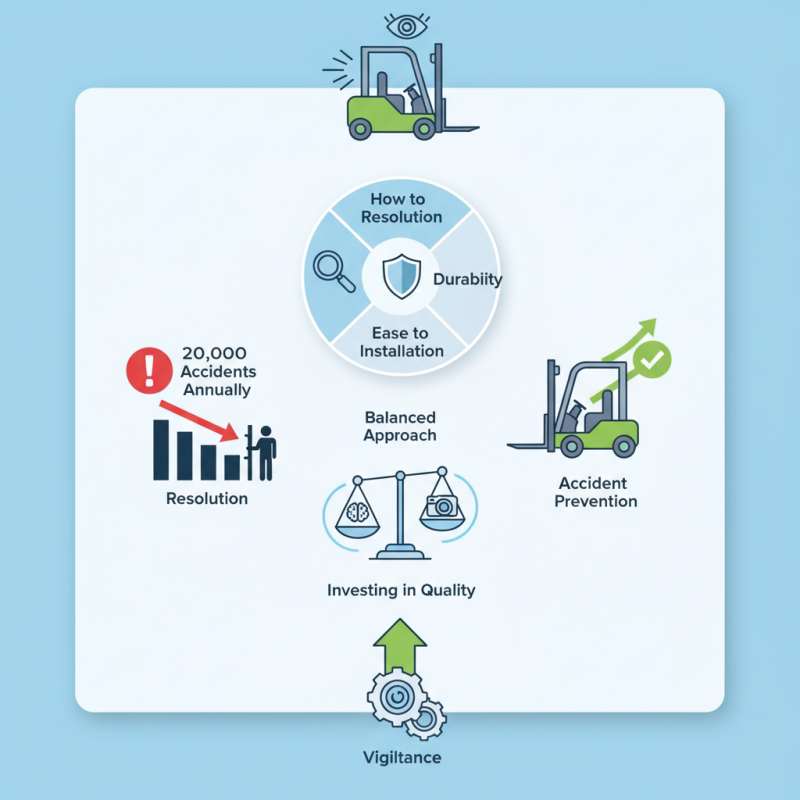
In today's industrial environment, safety is paramount. Forklifts play a vital role in warehouse operations. However, incidents involving forklifts remain alarmingly common. According to the Occupational Safety and Health Administration (OSHA), about 20,000 forklift accidents occur annually in the United States alone. These figures highlight the pressing need for effective safety measures.
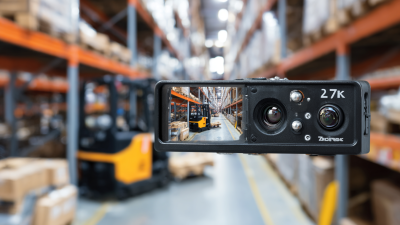
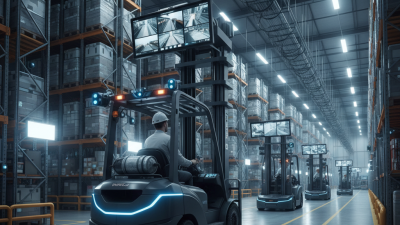
A Forklift Camera Kit can significantly enhance visibility and reduce blind spots. By providing operators with a clearer view, these systems help prevent accidents. Many companies, however, fail to choose the right camera kit. It’s crucial to consider factors like resolution, durability, and ease of installation. Not all kits are created equal, and a poor choice can lead to greater risks.
Moreover, the integration of technology into operational safety is not without flaws. Some operators may find themselves overly reliant on camera systems. This can create a false sense of security. A balanced approach combining technology with training is essential. Investing in a quality Forklift Camera Kit is beneficial, but operators must remain vigilant.
Understanding the Importance of Forklift Cameras for Workplace Safety
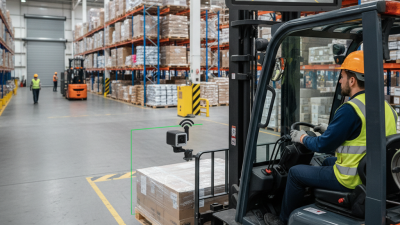
Forklift cameras significantly enhance workplace safety. They provide operators with a clear view of their surroundings. Blind spots become visible, reducing the risk of accidents. A well-placed camera can prevent collisions with personnel or equipment. This visual aid is essential in busy environments, such as warehouses.
Beyond just preventing accidents, forklift cameras also foster a culture of safety. Workers feel more secure when they know their vehicles are equipped with technology that enhances visibility. This awareness can lead to better job performance but is often overlooked. Some operators may forget to check camera feeds, relying solely on instinct. This could lead to dangerous situations that could be avoided.
Investing in a quality forklift camera kit is not without challenges. The installation process can be complex and may not be foolproof. Regular maintenance of the cameras is vital to ensure they function correctly. It is also crucial to ensure that employees receive proper training on how to use this equipment effectively. Without training, the benefits of the camera can diminish significantly.
Key Features to Look for in a Forklift Camera Kit
When selecting a forklift camera kit, safety features are paramount. Quality cameras should offer clear images in low light. This ensures operators can see hazards in darker areas. A wide field of view is also important. It helps capture more surroundings, reducing blind spots.
Durability is another key aspect. The kit should withstand tough conditions. Cameras must be resistant to dust and water. Vibration-resistant mounts are necessary too. Forklifts can shake a lot. A fragile setup won’t last long.
Consider the ease of installation. Complicated setups can lead to errors. Simple wiring is crucial. Some kits may claim to be easy, but often, they aren’t. Always check reviews to gauge real user experiences. The goal is to enhance safety, not create more confusion.
How to Choose the Best Forklift Camera Kit for Safety? - Key Features to Look for in a Forklift Camera Kit
| Feature |
Description |
Importance |
| Camera Resolution |
Higher resolution provides clearer images, improving safety and awareness. |
Critical |
| Night Vision |
Allows operation in low-light conditions, enhancing safety. |
Important |
| Field of View |
Wider field of view covers more area, reducing blind spots. |
Essential |
| Weather Resistance |
Durable against dust, water, and other environmental factors. |
Very Important |
| Installation Ease |
Quick installation minimizes downtime of the forklift. |
Important |
| Monitor Display Size |
Larger displays offer better visibility for the operator. |
Helpful |
| Multiple Camera Support |
Ability to connect several cameras for comprehensive coverage. |
Advantageous |
Evaluating Image Quality and Resolution in Forklift Cameras
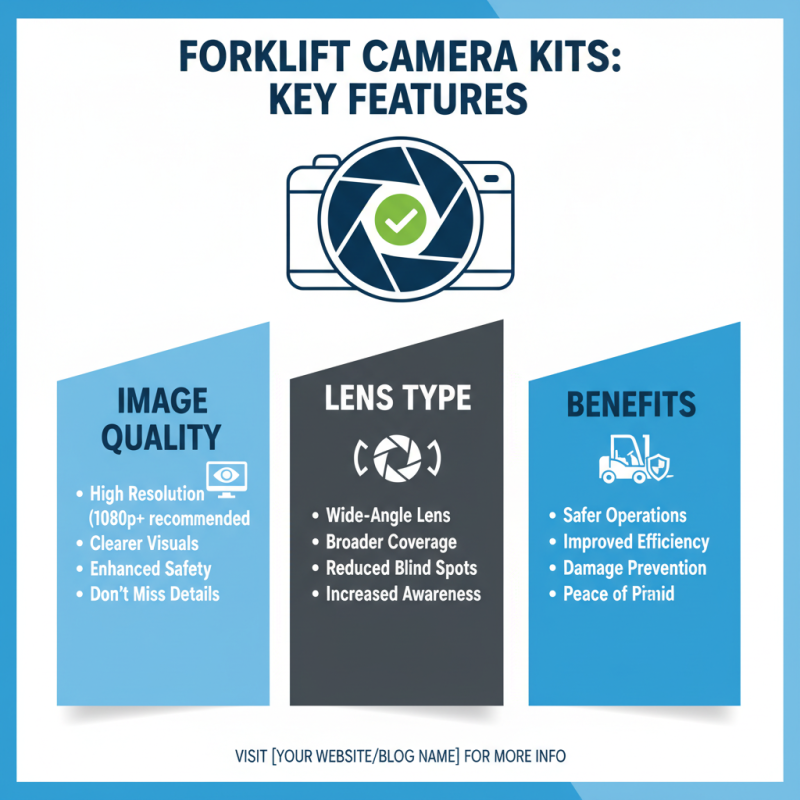
When selecting a forklift camera kit, image quality and resolution are vital. High-resolution cameras provide clearer visuals. This enhances safety by offering detailed views of surroundings. A resolution of at least 1080p is recommended. Lower resolutions can obscure important details. Consider the lens quality as well. A wide-angle lens can capture more area, reducing blind spots.
Lighting conditions can impact image quality. Cameras with robust low-light performance are essential. They ensure visibility in dim areas. However, some cameras may struggle in bright sunlight, causing glare issues. It's important to evaluate how a camera performs in varying conditions. Test the camera in your specific workspace to identify potential challenges.
Lastly, check for features like video stability and image processing. These can greatly affect clarity. Some cameras struggle with motion blur during forklift operation. This can make it hard to see obstacles clearly. Real-world performance may differ from specifications. Always keep this in mind when making a choice.
Assessing Durability and Weather Resistance of Camera Equipment
In construction and warehousing, forklift camera kits enhance safety. But how durable are these cameras? Assessing the durability and weather resistance of camera equipment is crucial for effective performance.
Many cameras face harsh environments. A report from an industry analysis found that 70% of damaged cameras were linked to poor weather resistance. Cameras need to withstand rain, snow, and extreme temperatures. The IP rating system helps gauge this. Devices labeled with IP68 are dust-tight and can handle submersion in water. This rating is vital for cameras on forklifts, as they often encounter moisture and debris.
Users often overlook the impact of mounting and vibration. Some camera systems may break down after just a few months due to inadequate mounting solutions. Opt for systems designed for heavy machinery application. They should handle jolts and vibrations effectively, ensuring reliability over time. Make informed choices to reduce the risk of equipment failure. This impacts not only safety but also operational costs in the long run.
Durability and Weather Resistance of Forklift Camera Kits
Reviewing Industry Standards and Compliance for Safety Equipment
When selecting a forklift camera kit, understanding compliance with industry standards is crucial. Safety equipment like cameras must meet specific regulations. These regulations often address visibility, image clarity, and installation requirements. Each compliance standard varies by industry and region. This can be confusing for users who seek the best options.
Consider adjusting to safety requirements. Cameras should provide clear images even in low light. Many kits have features like night vision. However, some products may not offer adequate clarity. It’s essential to evaluate reviews and test performance. A poorly chosen camera can lead to accidents. Always account for installation practices, as improper setup can render safety equipment ineffective.
It's also important to think critically about your choices. Are the features you need included? Does the kit comply with local regulations? Sometimes, users overlook the importance of compatibility with existing systems. Prioritize safety and reliability. Reflecting on these aspects ensures a better investment in forklift safety equipment.