How to Choose the Best 7 Inch Waterproof Monitor for Your Needs
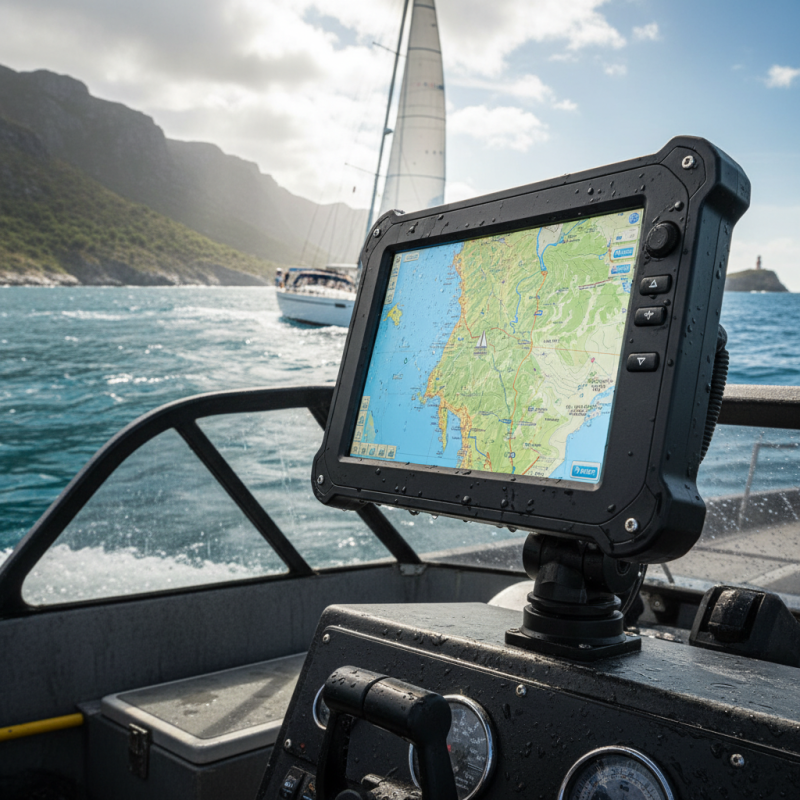
When it comes to selecting a display solution for outdoor or demanding environments, a 7 Inch Waterproof Monitor becomes an essential tool for various applications. Whether you are in marine navigation, outdoor photography, automotive displays, or security surveillance, the right waterproof monitor can significantly enhance your experience by providing clear visibility under challenging conditions. With advancements in technology, these monitors are not only robust and weather-resistant but also offer features that cater to diverse user needs.
Choosing the best 7 Inch Waterproof Monitor requires careful consideration of several factors such as resolution, brightness, connectivity options, and durability standards. It's crucial to identify your specific requirements before making a purchase, as the right features can vary dramatically depending on your intended use. By understanding what to look for, users can ensure that they invest in a monitor that not only withstands the elements but also enhances productivity and performance in their respective fields. This guide aims to break down the essential aspects to keep in mind while choosing your ideal model, ensuring you find a perfect match for your unique circumstances.
Understanding Waterproof Monitor Specifications
When selecting the best 7 inch waterproof monitor for your needs, it's crucial to understand various specifications that define their functionality and durability. Look for the IP rating, which indicates a monitor's resistance to water and dust. A higher IP rating, such as IP67 or IP68, means that the monitor can withstand being submerged in water for prolonged periods, making it ideal for environments like construction sites or outdoor activities. Additionally, consider the display resolution; higher resolutions provide clearer and more vibrant images, improving usability in bright conditions.
Tips: When assessing the monitor's brightness, aim for at least 400 nits to ensure visibility under direct sunlight. Furthermore, check for the luminance uniformity, as inconsistent lighting can affect picture quality and hinder performance during critical tasks. Lastly, review the connectivity options available on the monitor. Interfaces such as HDMI or VGA are essential for compatibility with various devices, ensuring you can easily integrate the monitor into your existing setup.
Another key aspect to consider is the monitor's durability beyond waterproofing. Look for features like shock resistance and a rugged design to handle harsh environments. Additionally, battery life can be a deciding factor if you're using the monitor in locations where power supply might be inconsistent. Make sure to check how long the battery can last and whether it can be replaced easily if needed. Taking these specifications into account will help you select a waterproof monitor that meets your specific requirements while ensuring reliable performance.
Comparative Analysis of 7 Inch Waterproof Monitors
This bar chart compares key specifications of three different 7-inch waterproof monitors, including brightness, resolution, refresh rate, viewing angle, and weight. Use this information to decide which monitor best fits your needs.
Identifying Your Specific Usage Needs for a 7 Inch Monitor
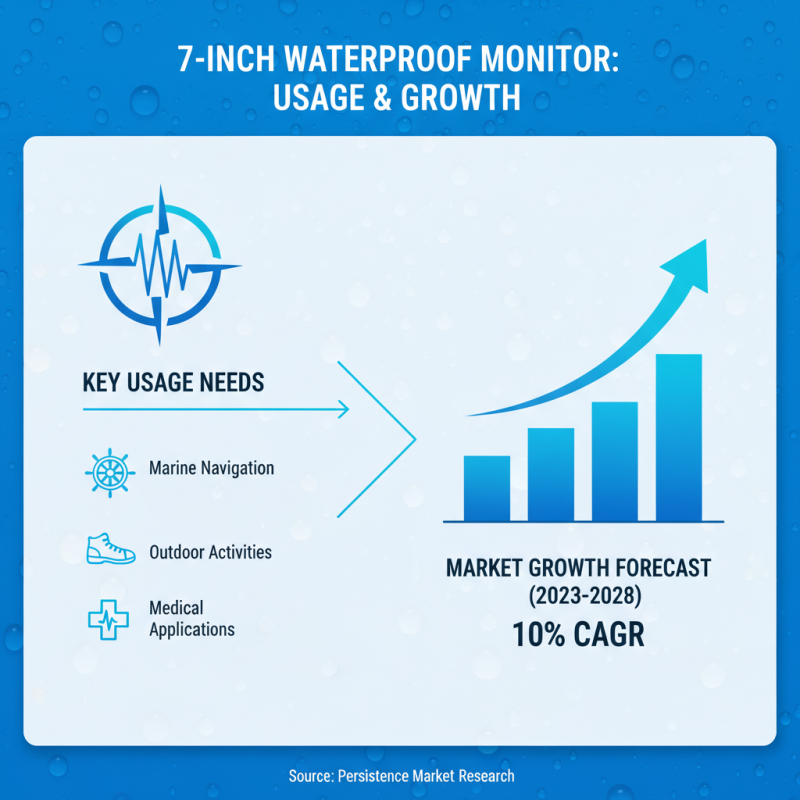
When considering the purchase of a 7-inch waterproof monitor, it is essential to identify your specific usage needs. This size is particularly favored among professionals in fields such as marine navigation, outdoor activities, and medical applications due to its portability and versatility. According to a recent market analysis report by Persistence Market Research, the demand for waterproof displays is expected to grow at a CAGR of 10% over the next five years, driven by the increasing need for rugged and reliable equipment in challenging environments.
One critical factor in choosing a monitor is understanding the environmental conditions it will face. For instance, if you require a monitor for marine use, it should not only be waterproof but also resistant to saltwater corrosion. Additionally, consider the visibility requirements; monitors with high brightness levels (typically above 1000 nits) are essential for outdoor usage, ensuring clear visibility even in bright sunlight. A study by MarketsandMarkets highlights that nearly 60% of users express the need for enhanced display clarity and durability in outdoor applications, emphasizing the importance of selecting the right specifications based on intended use.
Moreover, it’s vital to evaluate connectivity options and input methods. Many professionals working in rugged environments prefer systems with multiple input capabilities, such as HDMI and VGA, to integrate easily with existing technology. According to the International Data Corporation (IDC), 40% of users are looking for versatile connectivity solutions to ensure compatibility across various devices. Understanding these specific requirements is crucial in making an informed decision on the best 7-inch waterproof monitor for your individual needs.
Evaluating Display Quality and Resolution for Optimal Viewing
When selecting a 7-inch waterproof monitor, one of the most critical factors to consider is display quality and resolution. A higher resolution ensures that images appear sharp and clear, which is especially important in environments where fine details matter. For instance, monitors with resolutions such as 1080p Full HD provide significantly better image clarity compared to lower resolutions, making them ideal for applications like outdoor navigation, marine use, or even construction sites where readability under bright sunlight is vital.
In addition to resolution, the display technology plays a crucial role in overall viewing experience. For example, IPS (In-Plane Switching) panels typically offer wider viewing angles and better color reproduction compared to TN (Twisted Nematic) panels. This means that regardless of your viewing position, the display will maintain color accuracy and brightness. Furthermore, a monitor that features anti-glare coatings can significantly enhance visibility, particularly in environments where glare from direct sunlight could impair usability. Combined, these factors contribute to a monitor's effectiveness in delivering optimal viewing experiences across diverse settings.
Exploring Connectivity Options and Compatibility Factors
When selecting the best 7-inch waterproof monitor, it's crucial to consider the variety of connectivity options available, as these will significantly impact your overall experience. A study by MarketsandMarkets predicts that the global display technology market will reach $162 billion by 2025, indicating the growing importance of versatility in display connections. Look for monitors that support multiple input types such as HDMI, USB, and AV, which can accommodate various devices from cameras and laptops to media players and gaming consoles. This flexibility allows users to integrate the monitor into different setups, making it useful for both personal and professional applications.
Compatibility factors also play a vital role in the selection process. According to a report by ResearchAndMarkets, compatibility with existing hardware and software systems is key to maximizing functionality. Ensure that the monitor is compatible with your current devices and operating systems, including support for both Android and iOS platforms. Additionally, consider the resolution and image quality provided by the monitor, as these can dramatically affect usability and user satisfaction. A monitor with a high resolution and good color accuracy will enhance the viewing experience, especially in outdoor settings where visibility can be a challenge. By prioritizing these connectivity and compatibility factors, you can choose a waterproof monitor that best meets your specific needs.
Assessing Durability and Build Quality for Outdoor Use
When selecting a 7-inch waterproof monitor for outdoor use, the durability and build quality are paramount. A monitor designed for rugged applications typically features reinforced casing and advanced sealing techniques to protect against moisture, dust, and physical impacts. According to a recent industry report, devices rated with an IP68 protection level are ideal for extreme environmental conditions, offering complete dust ingress protection and submersion in water beyond one meter. This level of durability is critical for outdoor professionals who rely on their equipment in unpredictable weather and challenging terrains.
Tips for assessing the build quality of a waterproof monitor include checking the materials used in its construction. High-grade plastics or metal housings not only improve strength but also enhance temperature resistance, ensuring that the monitor can perform adequately under varying climatic conditions. Additionally, evaluate the screen's robustness by looking for tempered glass options or coatings that reduce glare while providing scratch resistance—a vital feature when working in outdoor environments.
Furthermore, consider the monitor’s operational temperature range, as this will determine its functionality in extreme heat or cold. Monitors that can operate effectively in temperatures from -20°C to 60°C are preferred for outdoor applications. A thorough understanding of these aspects can significantly enhance your experience with a waterproof monitor, ensuring you select a reliable device that meets the demands of your specific outdoor activities.