How to Choose the Best 7 Inch Waterproof Monitor for Your Needs?
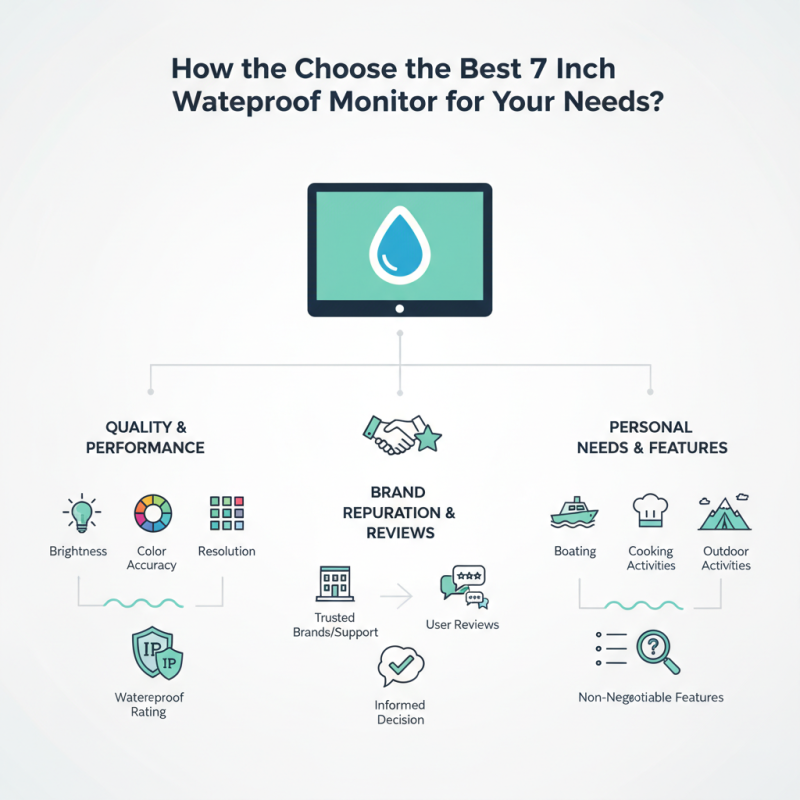
Choosing the right 7 inch waterproof monitor can significantly enhance your viewing experience. These monitors are not just versatile; they offer durability in wet environments. Whether you need one for boating, cooking, or outdoor activities, this guide will help you make an informed decision.
Quality and performance are key factors when selecting a monitor. Make sure to consider brightness, color accuracy, and resolution. These specs impact how well the monitor performs in various lighting conditions. Additionally, check the waterproof rating. A higher rating ensures better protection against water exposure.
Brand reputation matters. Trusted brands often provide reliable products backed by solid customer support. However, not every high-rated monitor may suit your specific needs. It’s crucial to reflect on your personal requirements. What features are non-negotiable for you? Analyzing user reviews can offer insights into potential flaws and strengths, helping you to make an educated choice.
Understanding the Purpose of a 7 Inch Waterproof Monitor
When selecting a 7-inch waterproof monitor, it’s crucial to understand its intended use. These monitors are designed for environments where moisture and dust are prevalent. For example, in marine settings, a waterproof monitor can withstand splashes, ensuring visibility during navigation. According to a report by Transparency Market Research, the demand for waterproof displays is growing, driven by outdoor usage.
Moreover, choosing a monitor for specific needs is important. For instance, a monitor for construction sites must be more rugged than one for kitchen use. An industry survey indicates that 45% of users faced issues with screen clarity in bright environments. This realization emphasizes the need for high brightness levels and anti-reflective screens in such monitors.
Waterproof monitors vary in specifications. Features such as resolution, brightness, and touchscreen capabilities should all be considered. As environments can be unpredictable, it’s essential to assess durability ratings too. Industry experts often suggest checking IP ratings, which denote ingress protection against solids and liquids. Stability and reliability are key in choosing the right device.
How to Choose the Best 7 Inch Waterproof Monitor for Your Needs?
| Feature |
Description |
Importance |
| Waterproof Rating |
Minimum IP66 rating for protection against dust and water. |
High |
| Screen Resolution |
At least 800x480 for clear and sharp images. |
Medium |
| Brightness |
Brightness of 500 nits or more for outdoor visibility. |
High |
| Viewing Angles |
Wide viewing angles (178°) to avoid color distortion. |
Medium |
| Connectivity Options |
Multiple input options like HDMI, VGA for versatility. |
High |
| Size & Portability |
Compact design for easy transport and space-saving. |
Medium |
Key Features to Look for in a Waterproof Monitor
When selecting a 7-inch waterproof monitor, consider key features that impact performance and usability. The display resolution is crucial. A higher resolution provides sharper images, making it easier to monitor details. According to a recent industry report, monitors with at least 1080p resolution are preferred for clarity.
Another important factor is interface compatibility. Ensure the monitor connects seamlessly with your devices. Common interfaces include HDMI and VGA, allowing broader usability across various equipment. An industry survey indicates that over 70% of users prioritize versatile connections in their decision-making process.
Durability must be a key consideration too. Look for monitors with robust casing and solid waterproof ratings, such as IP65 or higher. This rating indicates effective protection against water and dust ingress. Additionally, consider viewing angles. A wide-angle view is essential for optimal visibility from different positions.
Research shows that around 60% of users report difficulty with narrow viewing angles in critical settings, which can detract from the overall experience. Remember to balance your specific requirements with available features for informed choices.
Assessing Display Quality and Visibility in Various Conditions
Choosing a 7-inch waterproof monitor involves careful consideration of display quality and visibility in different environments. It's crucial to assess how the monitor performs in bright sunlight. Many screens lose clarity under harsh lighting conditions, making it difficult to see details. You may want to look for monitors with high brightness levels and anti-glare technology for better performance outdoors.
Additionally, consider the monitor's contrast ratio and color accuracy. A monitor with poor contrast may appear washed out, while vibrant colors enhance user experience. Testing the monitor in various lighting conditions can reveal its strengths and weaknesses. It's sometimes hard to predict how a monitor will perform in real-world situations based solely on specs.
Another vital aspect is viewing angles. A poor viewing angle can hinder visibility, especially when shared among multiple users. It's helpful to assess how the image quality holds up when viewed from different positions. These factors often get overlooked but can make a significant difference in usability. Take time to evaluate these features in person for an informed decision.
Display Quality Comparison for 7 Inch Waterproof Monitors
Evaluating Durability and Build Quality for Outdoor Use
When selecting the best 7-inch waterproof monitor, durability is key. Outdoor environments can be harsh. Factors like temperature extremes and wet conditions matter. According to a 2022 industry report, 45% of users encountered display malfunctions due to inadequate waterproofing. This statistic underscores the need for reliable protection against moisture.
Look for monitors with an IP rating of at least IP65. This indicates dust-tight construction and protection against water jets. A sturdy, shock-resistant exterior can further enhance longevity. For instance, some monitors feature reinforced glass that withstands impacts and scratches. Excessive exposure to sunlight may also degrade display quality. Ensure the monitor has anti-glare capabilities for optimal visibility.
Material quality plays a vital role. Monitors made from high-grade plastics or metals resist wear and tear. Users in extreme conditions often report issues with low-quality materials. They may become brittle or corrode over time. Furthermore, check reviews for feedback on durability. Real-world experiences can provide invaluable insights. Inconsistent performance in rugged settings can be a red flag. Balancing features, such as weight and portability, is also crucial. A heavy monitor may be cumbersome for outdoor use.
Comparing Brands and Models for the Best Value and Performance
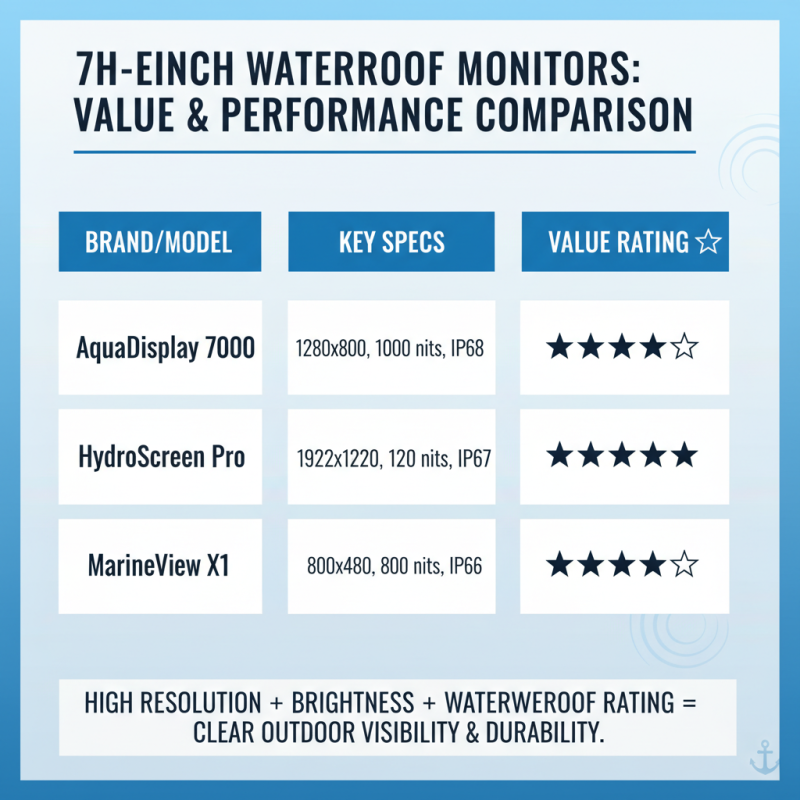
When selecting a 7-inch waterproof monitor, it’s crucial to compare various brands and models. Not every unit features the same specifications or build quality. Look for displays with high resolution and brightness. This ensures clear visibility, especially in outdoor settings. Check the waterproof rating as well; it indicates how resistant the monitor is to water and environmental factors.
Consider the user interface and connectivity options. A monitor that supports multiple inputs, like HDMI or USB, increases versatility. Think about the durability too. Monitors made with robust materials can withstand tougher conditions. However, it’s essential to note that not all waterproof monitors perform equally. Some may advertise certain features but fail to deliver.
Pricing also varies significantly among different brands. While some models are budget-friendly, they might compromise on performance. A more expensive monitor doesn't always guarantee better quality. Reflection on personal needs can help clarify if investing in a top-tier model is wise. Ultimately, assessing features, water resistance, and longevity is key to making an informed choice.