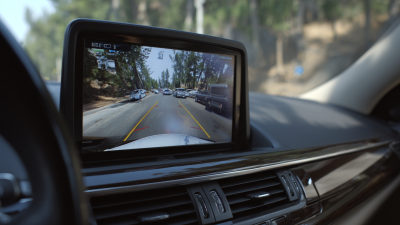
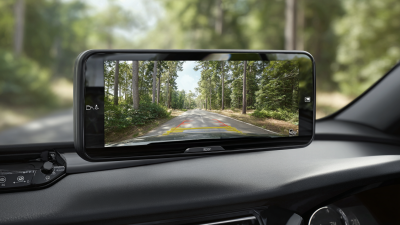
China Top 10 Rear View Monitor Options for Global Buyers?
In the rapidly evolving automotive industry, rear view monitors are becoming essential tools for safety and convenience. According to Dr. Emily Zhang, a leading expert in automotive technology, "The right rear view monitor can enhance driving safety significantly." This statement underscores the growing importance of selecting the right monitor.
Global buyers face an array of options in the rear view monitor market. Many products boast advanced features, such as high-resolution displays and real-time image processing. However, not all monitors perform equally. Potential buyers often struggle with discerning which systems truly provide the best value and safety benefits.
Additionally, the market is flooded with choices, which can be overwhelming. Each monitor has unique selling points, yet many fail to deliver on their promises. Buyers must critically evaluate specifications and user reviews to find reliable products. This is a journey worth taking, as the right rear view monitor can remarkably improve one’s driving experience.
Top Features to Consider in Rear View Monitors for Global Markets
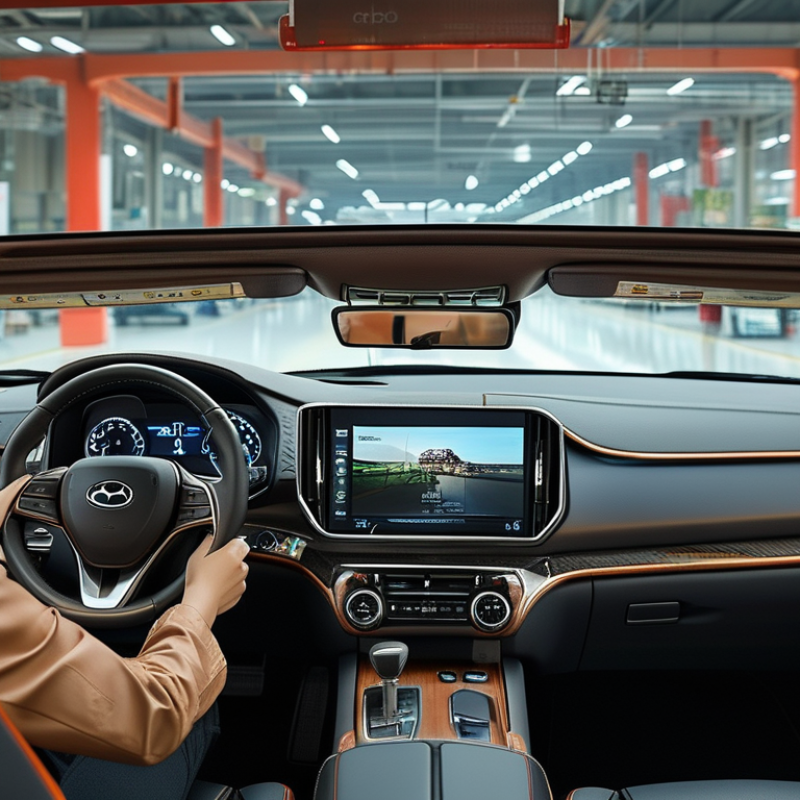
When searching for rear view monitors, it's essential to consider several key features that cater to diverse global needs. One important aspect is resolution. A high-resolution display ensures clear visibility, enhancing safety during reversing. In contrast, a low-resolution screen may lead to misjudgment or missed obstacles.
Another crucial feature is the monitor's durability. Look for options that withstand various weather conditions. A weather-resistant unit ensures longevity and reliability in different environments. Additionally, consider screen size. Smaller monitors might be easier to fit into compact vehicles, while larger screens can provide better visibility.
Tips: Always check for compatibility with your vehicle before purchasing. Some monitors require specific connections or adapters. Also, read user reviews. Real-world experiences can offer insights into a product's performance.
Lastly, installation ease should not be overlooked. Some monitors are designed for quick setups, while others may require professional installation. A user-friendly setup can save time and reduce frustration. Evaluate your requirements carefully to choose the best fit for your needs.
Analysis of Market Trends in Rear View Monitor Adoption in China
In recent years, the adoption of rear view monitors in China has surged. This shift is driven by increasing concerns about road safety and driver awareness. Many consumers seek advanced features in these systems. Technological advancements have made rear view monitors more accessible and affordable. The integration of high-resolution screens and sensor systems enhances visibility and reduces blind spots.
Market research indicates a growing trend toward multifunctional displays. Consumers are interested in options that combine navigation, parking assistance, and real-time traffic updates. However, challenges remain. Some buyers are unsure about the reliability of local manufacturers. There is a perception that foreign brands offer more advanced technology. This skepticism could hinder the wider acceptance of domestically produced monitors.
As the market evolves, manufacturers need to address these concerns. Increasing transparency and fostering trust will be crucial. Investing in quality control can also enhance product reliability. Continuous innovation is essential to meet changing consumer demands. The competitive landscape requires brands to differentiate their offerings while ensuring safety and performance are prioritized.
Comparison of Sensor Technologies in Leading Rear View Monitor Models
When evaluating rear view monitor technologies, sensor options play a crucial role. Many models utilize various sensor types, impacting performance and reliability. According to a recent industry report, advanced CMOS sensors are becoming the standard due to their enhanced image clarity and lower light sensitivity. This improvement offers better nighttime visibility, appealing to safety-conscious consumers.
On the other hand, traditional CCD sensors still hold their ground in specific applications. Despite their age, CCDs deliver sharp images in bright conditions and have proven their durability over time. However, their performance drops in low light. The decision between these sensor types often hinges on the intended use and environmental factors. For buyers who prioritize nighttime safety, investing in a CMOS system is often deemed worthwhile.
Reflecting on the technology's evolution, some buyers may still encounter challenges. Not all rear view monitors utilize the latest advancements, which can lead to performance gaps. Understanding sensor specifications helps buyers make informed decisions. Reliable comparison ensures that investments yield optimal performance while satisfying safety requirements.
Cost-Benefit Analysis of Premium vs. Budget Rear View Monitors
When considering rear view monitors, buyers often face a dilemma between premium and budget options. Those who invest in premium monitors may enjoy enhanced features, like high-definition displays and advanced parking assistance. A recent industry report indicates that premium models can cost up to 30% more than budget versions. However, a significant portion of buyers often undervalue the long-term benefits of these features.
Budget rear view monitors, on the other hand, are designed for cost-conscious consumers. Basic functionality is their strength, yet many lack critical safety features. Studies suggest that approximately 40% of budget monitor users experience dissatisfaction after purchase due to inadequate visibility. Additionally, installation can sometimes be simpler for these budget options, appealing to DIY enthusiasts.
Crucially, buyers should weigh immediate costs against potential risks. Cheaper monitors might save money upfront, but they could endanger safety. Purchase decisions should not solely focus on price but also on how effective the monitor will be in various driving conditions. Accessibility to high-quality images is vital for driver confidence. Thus, a thoughtful approach is necessary when choosing a rear view monitor.
Future Innovations in Rear View Monitor Technology and User Expectations
As rear view monitor technology evolves, user expectations shift rapidly. Buyers demand advanced features such as high-resolution displays and enhanced night vision. Seamless integration with smartphones has become essential. The desire for intuitive user interfaces is stronger than ever.
Tips: Consider a monitor that offers multiple viewing angles. It can help eliminate blind spots. Also, choose a model that provides real-time alerts for nearby obstacles. Such features ensure safer driving experiences.
Despite these advancements, some technologies may not meet expectations. Users often find screens too small or images unclear. Accessibility is another concern, as complex settings can frustrate users. Innovations must address these issues to enhance user satisfaction. Feedback from real-world experiences can drive future improvements in this field.
China Top 10 Rear View Monitor Options for Global Buyers
| Monitor Model |
Resolution |
Screen Size |
Viewing Angle |
Night Vision |
Price Range (USD) |
| Model A |
1080p |
7 inch |
170° |
Yes |
100-150 |
| Model B |
720p |
5 inch |
160° |
No |
50-80 |
| Model C |
1080p |
9 inch |
180° |
Yes |
120-200 |
| Model D |
1440p |
10 inch |
145° |
Yes |
150-250 |
| Model E |
1080p |
6.5 inch |
160° |
No |
80-120 |
| Model F |
4K |
12 inch |
170° |
Yes |
300-400 |
| Model G |
720p |
5.5 inch |
150° |
No |
40-70 |
| Model H |
1080p |
8 inch |
165° |
Yes |
130-180 |
| Model I |
1080p |
9 inch |
180° |
Yes |
140-220 |
| Model J |
720p |
6 inch |
155° |
No |
30-60 |