China Top Rear View Monitor Trends and Innovations in Automotive Safety?
As the automotive industry evolves, safety innovations are crucial. One significant development is the rear view monitor. This device enhances visibility and reduces blind spots. With increased vehicle sizes and urban traffic, rear view monitors are more vital than ever.
In China, the adoption of rear view monitors reflects a growing awareness of road safety. Manufacturers are integrating advanced technologies like high-definition displays and sensors. These innovations significantly improve driver confidence. Yet, challenges remain. Not all drivers understand how to utilize these systems effectively. Training is essential for maximizing their benefits.
Real-world trials show mixed results in accident reduction. Some drivers rely too heavily on monitors, neglecting traditional checks. This behavior raises concerns about over-reliance on technology. Balancing innovation with driver awareness is critical. The future of automotive safety will depend on a synergy between technology and driver education regarding rear view monitors.
Trends in Rear View Monitor Technologies for Enhanced Vehicle Safety
The automotive industry is rapidly evolving, particularly in the realm of rear view monitor technologies. These systems play a crucial role in enhancing vehicle safety, addressing blind spots, and preventing accidents. According to a recent report by MarketsandMarkets, the global market for rearview cameras is expected to reach approximately $25 billion by 2027, growing at a compound annual growth rate (CAGR) of over 10%. This growth reflects a rising awareness of safety features among consumers.
The integration of advanced technologies such as 360-degree panoramic views and artificial intelligence is transforming the functionality of rear view monitors. These innovations allow drivers to receive real-time feedback about their surroundings. A 2022 survey indicated that around 70% of drivers feel more secure with such systems installed. However, these technologies come with their challenges. They can sometimes fail in extreme weather conditions or provide misleading representations of distance, which require further refinement.
Moreover, regulatory bodies are pushing for increased implementation of these technologies. By 2025, many regions will mandate rearview cameras in all new vehicles. This regulatory trend aims to reduce the significant percentage of rear-end collisions. However, the industry faces hurdles, such as ensuring standardization and affordability without compromising safety. As advancements continue, the need for robust testing and validation remains crucial.
Impact of Rear View Monitors on Reducing Accidents in China
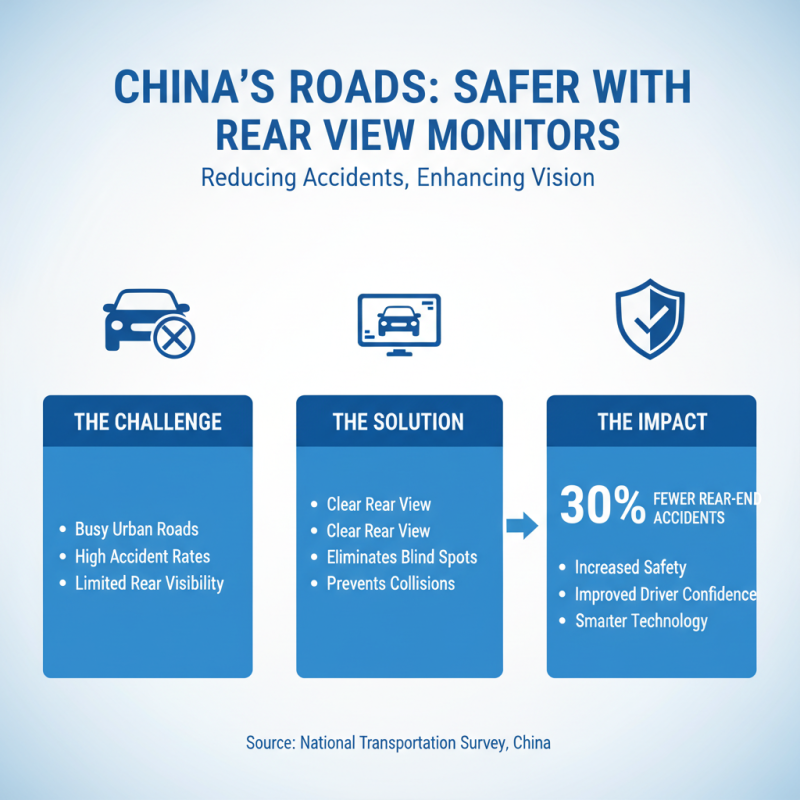
Accidents are a significant concern on China's busy roads. Rear view monitors serve as a promising solution. They provide drivers with a clear view of what's behind them. This technology helps to prevent collisions, particularly in urban settings. Surveys show that vehicles equipped with rear view monitors report fewer rear-end accidents. Such systems can enhance visibility and decrease blind spots.
While the technology is beneficial, it is not without drawbacks. Some drivers may become overly reliant on these monitors. This dependence can lead to complacency. Traditional mirror checks may be neglected. Moreover, factors like weather conditions and monitor quality impact performance. In heavy rain, visibility can be compromised. Drivers should remain cautious and not solely rely on their monitors.
Investing in better training for drivers is crucial. Understanding how to effectively use rear view monitors can optimize their benefits. Additionally, addressing limitations helps improve overall safety. The integration of advanced features, such as obstacle detection, holds great potential. By combining technology with proper driving habits, safety can be significantly enhanced on China’s roads.
Innovative Features of Modern Rear View Monitors
Rear view monitors are vital for automotive safety. Recent reports indicate that the global rear view monitor market is projected to reach USD 10.1 billion by 2027, growing at a CAGR of 8.5%. This growth reflects the rising need for enhanced vehicle safety features. Modern rear view monitors are no longer mere displays. They integrate various innovative features that improve visibility and reduce blind spots.
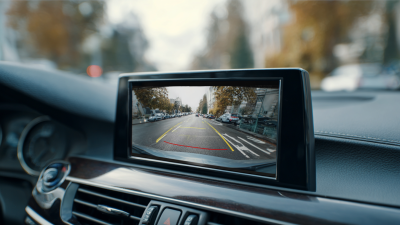
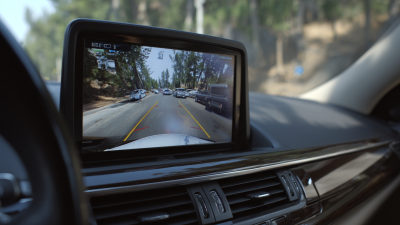
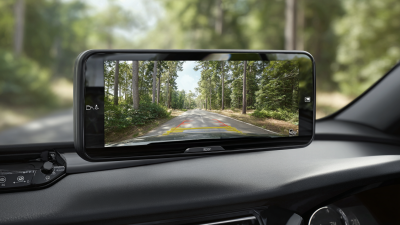
One standout feature is the integration of high-resolution cameras. These cameras provide clearer and wider angles, improving real-time visibility. Many systems also include dynamic guidelines. These graphical overlays help drivers with parking and maneuvering. Another innovation is the alert system for obstacles. It can detect moving objects and sound alarms, raising driver awareness.
Tip: Check your rear view monitor regularly to ensure it is clean and functional. A dirty or damaged monitor can reduce visibility significantly.
Despite these advancements, some users still face challenges. Some rear view monitors lag in response time. This delay can cause hesitation while reversing. Additionally, the excessive reliance on technology might shift focus away from basic driving skills. Drivers must continuously practice situational awareness.
Tip: Regularly assess your driving habits alongside these technologies. Balancing tech reliance and personal skills is key to safety.
China Top Rear View Monitor Trends and Innovations in Automotive Safety
| Feature |
Description |
Innovative Aspect |
Market Trend |
| 360-Degree View |
Provides a bird's-eye view of the vehicle's surroundings. |
Eliminates blind spots and enhances parking safety. |
Increasing adoption in luxury and mid-range vehicles. |
| Hybrid Monitoring |
Combines digital and analog displays for enhanced clarity. |
Ensures visibility even in adverse weather conditions. |
Growing focus on all-weather performance. |
| Night Vision Technology |
Enhances visibility in low-light conditions through infrared cameras. |
Improves safety during nighttime driving. |
Emerging as a critical feature for safety in urban settings. |
| AI-Powered Alerts |
Utilizes artificial intelligence to warn drivers of obstacles. |
Reduces potential collisions significantly. |
Rapid growth in AI adoption across all vehicle segments. |
| Integration with Infotainment Systems |
Allows seamless connectivity with navigation and entertainment. |
Enhances user experience by combining functionalities. |
Trend toward smart vehicle ecosystems. |
Regulatory Standards and Safety Tests for Rear View Monitors in Vehicles
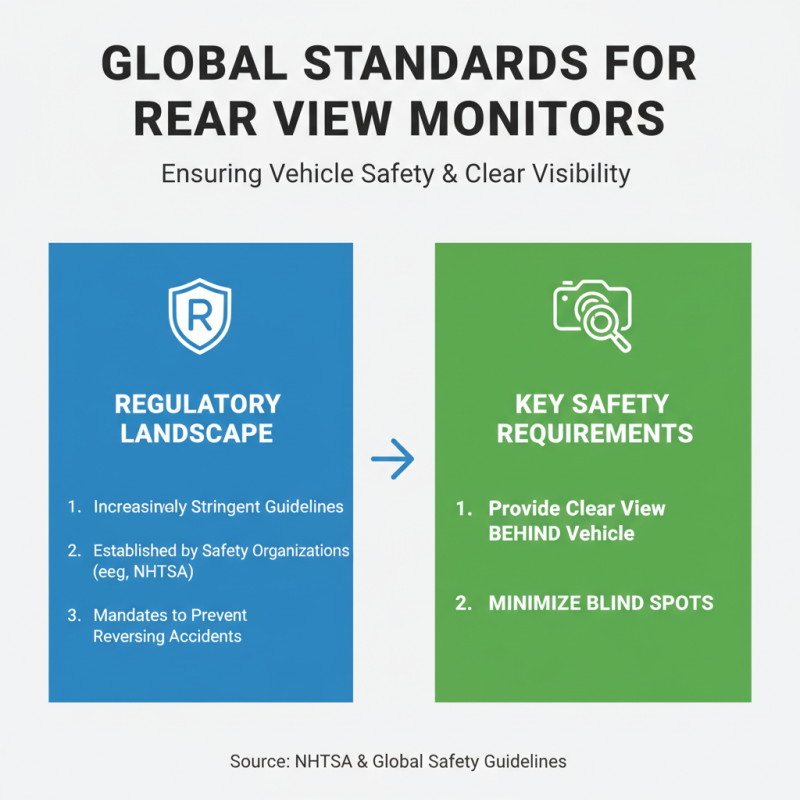
The regulatory landscape for rear view monitors in vehicles is becoming increasingly stringent. In recent years, several safety organizations have established guidelines that manufacturers must follow. For example, the National Highway Traffic Safety Administration (NHTSA) has mandated rear visibility standards to prevent accidents during reversing maneuvers. These standards require that rear view monitors provide a clear view behind the vehicle, minimizing blind spots.
According to a recent market analysis by a leading automotive safety report, 78% of drivers feel more secure when their vehicle is equipped with advanced rear view monitoring technology. The implementation of these systems can significantly reduce accidents. However, the effectiveness of rear view monitors largely depends on compliance with safety tests and standards. Manufacturers must ensure their products meet or exceed these guidelines.
Tips: When considering a vehicle, always check if it adheres to the most current safety standards regarding rear view monitors. Understand that even with advanced technology, driver caution remains crucial. Continuous advancements in these systems represent a great leap forward, yet user reliance can sometimes lead to complacency. Keep this in mind when evaluating your vehicle's safety features.
Future Directions and Challenges in Rear View Monitor Development
The evolution of rear view monitor technology reveals significant trends and innovations in automotive safety. In recent years, the adoption of high-definition cameras has improved visibility, helping drivers detect obstacles. According to a report by MarketsandMarkets, the global automotive rear view monitor market is expected to grow from USD 4.8 billion in 2021 to USD 7.6 billion by 2026. This growth highlights the increasing emphasis on safety features during vehicle design.
However, challenges remain in rear view monitor development. The integration of advanced driver-assistance systems (ADAS) introduces complexities for manufacturers. Some users express concerns about the reliability of camera systems in adverse weather conditions. A survey by the National Highway Traffic Safety Administration indicated that 30% of respondents feel that more robust solutions are needed. Additionally, the cost of implementation may deter smaller manufacturers from adopting these technologies.
Innovations such as obstacle detection and alerts are promising, yet they require further refinement. While rear view monitors are becoming standard, achieving uniformity in performance across all environments is crucial. As the industry moves forward, collaboration among stakeholders will be essential to address these challenges effectively. The journey toward enhanced automotive safety through rear view monitor advancements is ongoing and requires continuous improvement and innovation.