Best Wireless Solar Magnetic Cameras for Global Buyers?
In an increasingly digital world, security is a top priority for many global buyers. A Wireless Solar Magnetic Camera offers a unique solution. This innovative device combines the benefits of solar power with sophisticated camera technology. The result is a sustainable, reliable way to monitor your surroundings while minimizing energy consumption.
When considering a Wireless Solar Magnetic Camera, several factors come into play. Users should assess picture quality and battery life. Some cameras may struggle under certain conditions. Durability and weather resistance are also crucial, especially for outdoor use. Many buyers appreciate easy installation features, but not all manufacturers provide clear instructions.
As the market grows, the variety of options can be overwhelming. Finding a reliable product requires research and analysis. Buyers should seek expert reviews and user experiences. Although many devices promise great performance, users often report issues with connectivity or app functionality. A thoughtful approach is essential to choose the best Wireless Solar Magnetic Camera for your needs.
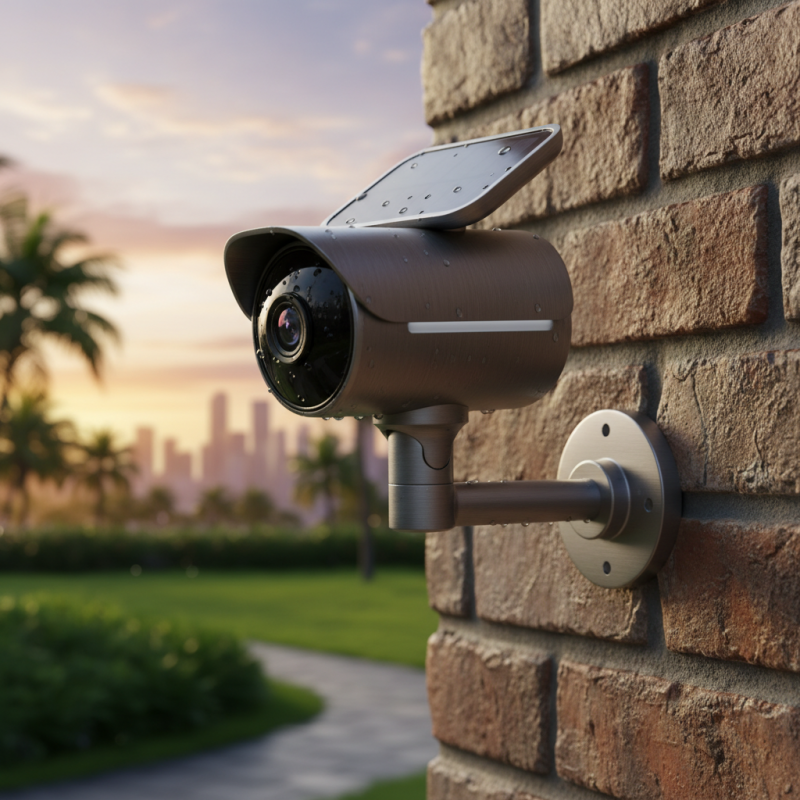
Overview of Wireless Solar Magnetic Cameras and Their Benefits
Wireless solar magnetic cameras represent a unique intersection of technology and sustainability. These cameras operate entirely on solar power, reducing dependence on traditional energy sources. They are equipped with magnets, allowing easy installation on metal surfaces without the need for drilling. This makes them extremely versatile for various environments, from homes to remote locations.
One major benefit of these cameras is their low maintenance. No wiring is necessary, and the solar panels ensure a constant power supply in sunny conditions. This means users can enjoy reliable security monitoring without frequent battery replacements. Additionally, many models are designed to withstand harsh weather, making them suitable for outdoor use.
Tips: When selecting a solar magnetic camera, consider its range and resolution. A higher resolution ensures clearer images, while an adequate range guarantees effective coverage. Research installation techniques to ensure optimal sunlight exposure for the solar panels. While these cameras are convenient, check reviews to gauge reliability in real-world applications. Not all models perform equally well under varying conditions, which can lead to unexpected limitations in performance.
Best Wireless Solar Magnetic Cameras for Global Buyers
| Camera Model |
Resolution |
Battery Life |
Storage Capacity |
Connectivity |
Special Features |
| Model A |
1080p |
6 months |
64GB |
Wi-Fi |
Night Vision |
| Model B |
720p |
12 months |
128GB |
Bluetooth |
Motion Detection |
| Model C |
4MP |
8 months |
32GB |
Wi-Fi |
Two-Way Audio |
| Model D |
1080p |
12 months |
256GB |
Cellular |
Weatherproof |
Key Features to Consider When Choosing a Wireless Solar Magnetic Camera
When choosing a wireless solar magnetic camera, consider the battery life. Long-lasting batteries provide continuous surveillance. Look for cameras that can work even on cloudy days. This feature enhances reliability for remote areas, ensuring you never miss important moments.
Image quality is crucial. Opt for cameras with high-definition resolution and night vision capabilities. Clear images help in identifying details. Some cameras struggle in low-light conditions, which can hinder their effectiveness. Resolution matters, particularly in outdoor settings where light varies constantly.
Easy installation is another vital factor. Magnetic mounting allows quick setup without tools. Some models claim to be user-friendly, yet may not deliver on this promise. Check user reviews for real-world insights, as experiences vary widely. Always ensure the camera's compatibility with your existing systems to avoid potential issues later on.
Comparison of Key Features of Wireless Solar Magnetic Cameras
Top Wireless Solar Magnetic Cameras for International Buyers
When considering wireless solar magnetic cameras, international buyers should focus on functionality and adaptability. These cameras are designed for versatility. They can be mounted anywhere, thanks to their magnetic bases. Users can easily monitor remote locations without hassle. Solar panels ensure continuous operation, even in off-grid scenarios.
Choosing the right camera often involves research into specifications. Look for features like night vision and motion detection. The build quality should withstand various weather conditions. Reviews can provide insights into user experiences. However, not every camera will meet expectations. Some may struggle with connectivity or battery efficiency.
International customers should consider ease of installation. A simple setup can save time and frustration. Consider models that offer clear instructions or tutorials. Testing different placements may also require patience. A well-placed camera can significantly enhance security. Testing can help identify optimal angles and coverage area, leading to better results.
Installation and Maintenance Tips for Wireless Solar Magnetic Cameras
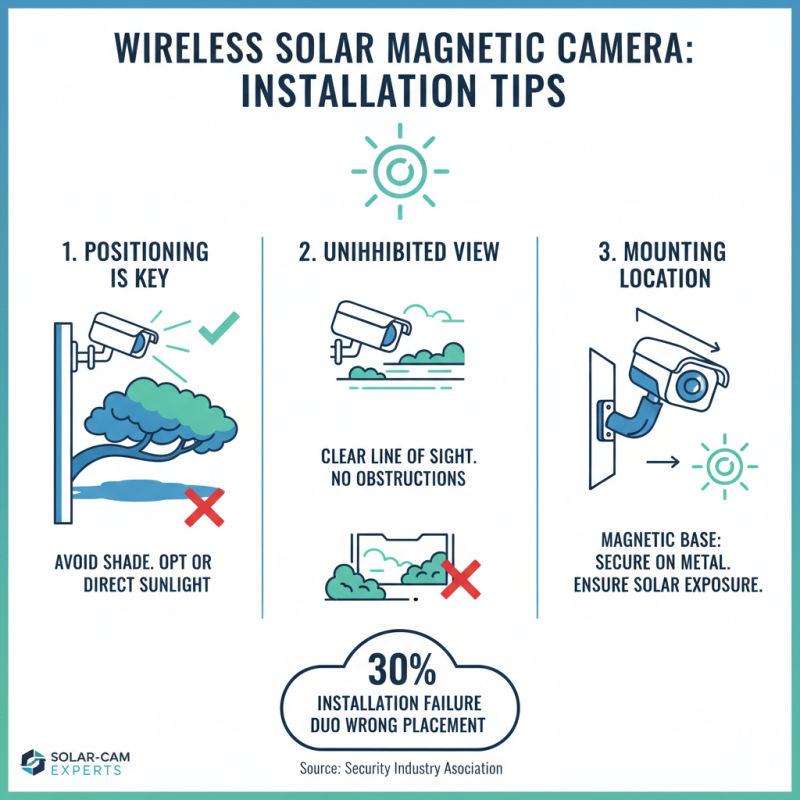
When considering wireless solar magnetic cameras, proper installation is crucial. Many users neglect the importance of positioning. A survey by the Security Industry Association found that 30% of installations failed due to improper placement. Ideally, these cameras should be mounted where they can capture adequate sunlight for energy. Avoid shaded areas and opt for locations with unobstructed views.
Maintenance is often overlooked, but vital for long-term performance. Regular cleaning of the solar panels ensures optimal energy absorption. Dust and debris can block sunlight, reducing efficiency. According to a report by the National Institute of Standards and Technology, unmaintained cameras can lose up to 20% of their functionality over time. Checking the battery status regularly adds to reliability. A proactive approach can extend the lifespan of the devices and improve security outcomes. Users should document any issues to identify patterns over time.
Common Use Cases and Applications for Wireless Solar Magnetic Cameras
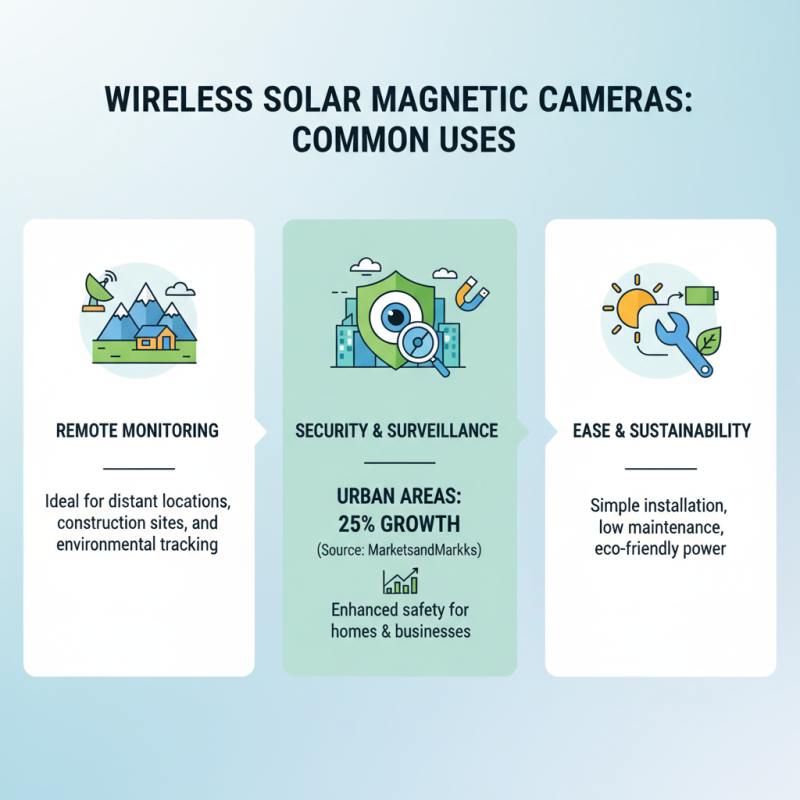
Wireless solar magnetic cameras have gained traction in various sectors due to their flexibility and sustainability. These devices excel in remote monitoring applications. For instance, research from MarketsandMarkets indicates a 25% growth in demand for such devices in security and surveillance within urban areas. Homeowners and businesses are increasingly selecting these cameras for their ease of installation and low maintenance cost.
Another significant application is in wildlife monitoring. These cameras can be placed in natural habitats without disturbing the environment. According to a study published by the International Journal of Remote Sensing, using solar-powered cameras can reduce the ecological footprint of monitoring efforts by over 60%. The ability to capture high-quality images in remote locations is invaluable for biologists and conservationists. However, challenges exist. Connectivity in rural areas may hinder data transmission, leading to potential gaps in monitoring.
In agriculture, farmers depend on these cameras for monitoring crops and livestock. A report by the Food and Agriculture Organization suggests that remote surveillance can improve yield prediction by 30%. Despite the advantages, issues such as battery efficiency in low-light conditions must be addressed. Continuous advancements in solar technology are essential to maximize the effectiveness of these cameras. Overall, while wireless solar magnetic cameras present revolutionary solutions, ongoing discussions about their limitations remain critical.