Best Back Up Camera for Truck 2026 Top Features to Consider?
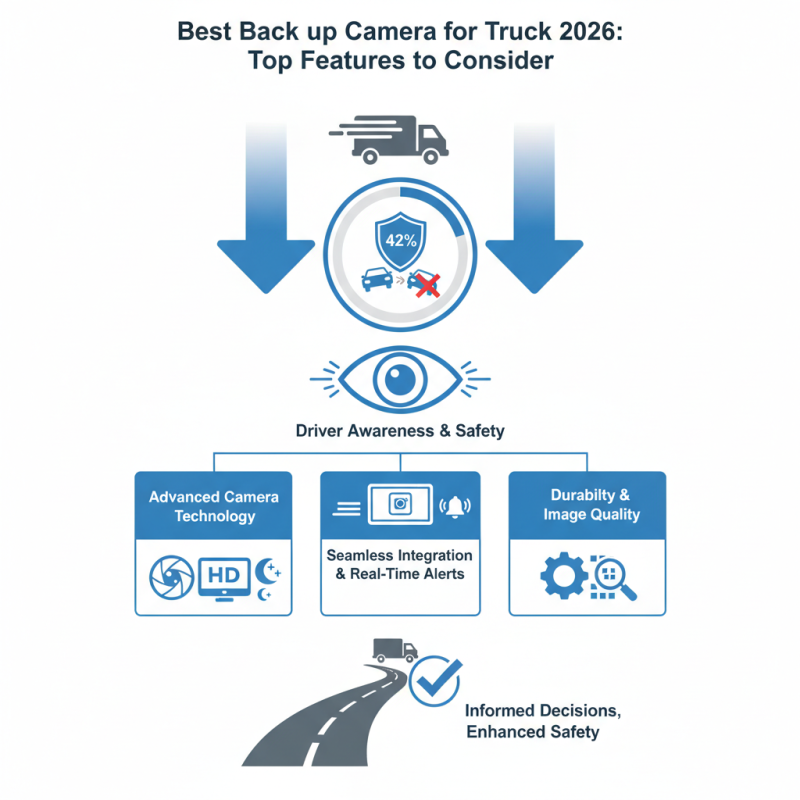
When selecting the best back up camera for truck in 2026, several critical features must be taken into account. Reports from the National Highway Traffic Safety Administration indicate that backup cameras can reduce accidents by up to 42%. This statistic underscores the essential role that these devices play in enhancing driver awareness and safety.
Trucks, known for their larger blind spots, particularly benefit from advanced camera technology. Features such as wide-angle lenses, night vision, and high-definition video can significantly improve visibility when reversing. Industry trends show that consumers increasingly prefer systems that integrate seamlessly with their vehicle’s display and provide real-time alerts.
However, not all back up cameras for trucks are created equal. Some models may lack durability or have subpar image quality. It's crucial for buyers to evaluate the specifications and consider reviews from experienced users. A thorough understanding of these technological advancements can lead to more informed decisions, ultimately enhancing safety on the road.
Understanding the Importance of Backup Cameras for Trucks in 2026
In 2026, the importance of backup cameras for trucks cannot be overstated. As roads become busier, having a clear view of what’s behind you can prevent accidents. These cameras enhance safety by reducing blind spots. Truck drivers face unique challenges, especially when maneuvering in tight spaces. The added perspective a backup camera provides is invaluable.
Moreover, technology has evolved rapidly. Modern backup cameras offer features like night vision and obstacle detection. These advancements are essential for navigating urban areas or rural sites. However, despite these developments, some users struggle with screen glare. Others may find the camera angle unsuitable for larger trucks. This highlights the need for user feedback to improve designs.
With increasing regulations on vehicle safety, a reliable backup camera is more crucial than ever. It’s not simply about convenience; it’s about protecting lives. Truck owners should invest time in researching the best options. Understanding personal needs and driving environments can lead to more informed decisions. Awareness of these considerations can greatly enhance safety for truck drivers and those around them.
Key Features to Look for in a 2026 Truck Backup Camera
When choosing a backup camera for trucks in 2026, consider essential features. The camera quality is paramount. Look for at least 1080p HD resolution. This clarity can make a significant difference when reversing. A wide viewing angle of at least 170 degrees provides better visibility. You want to see everything behind you without much effort.
Another key feature is low-light performance. Cameras that function well in dim conditions are crucial for truck drivers. This enhances safety during early mornings or late evenings. Wireless connectivity can also simplify installation. However, sometimes these systems might lag. These delays can compromise safety, so test them before deciding.
Integration with your vehicle's display is beneficial. A seamless connection allows for easy access. Some systems offer grid lines to assist with parking. While useful, these can sometimes be misaligned, leading to confusion. Take time to fine-tune the settings for the best experience. Consider all these factors to find the right balance of features for your needs.
Comparative Analysis of Top Backup Camera Models for Trucks in 2026
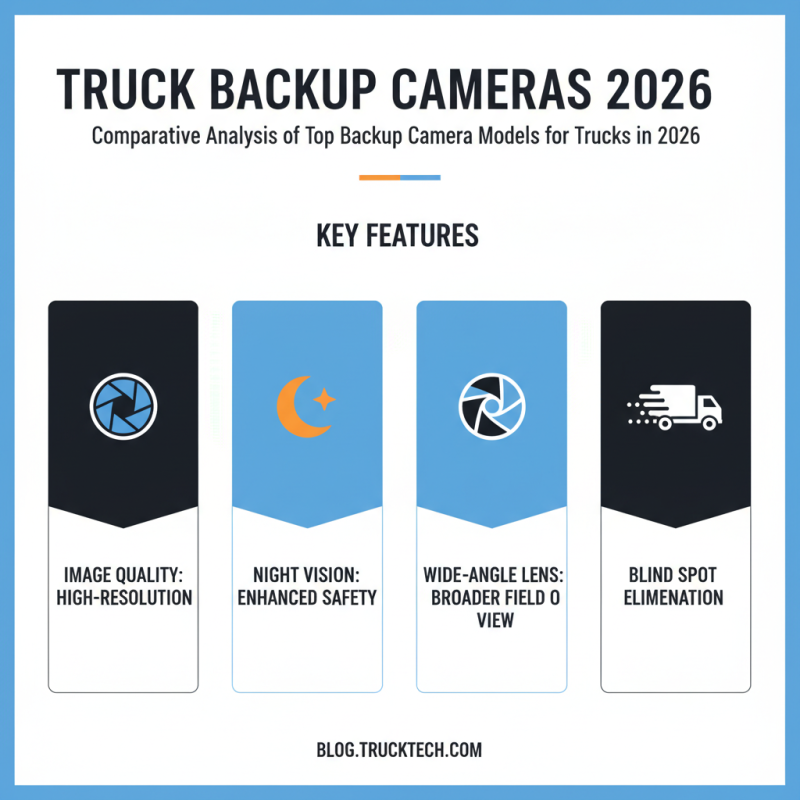
When selecting a backup camera for trucks in 2026, there are several essential features to evaluate. Image quality is critical. A high-resolution camera ensures clear visuals. Night vision can also enhance safety in low-light conditions. Many models now boast wide-angle lenses, providing a broader field of view. This helps eliminate blind spots, a common issue when backing up a larger vehicle.
Another crucial aspect to consider is ease of installation. Some cameras come with complex setups that may frustrate users. Simple plug-and-play options can save time and effort. Additionally, user-friendly interfaces matter. Intuitive displays can help drivers focus on their surroundings. Durability is also a point for reflection. A camera needs to withstand harsh weather, vibrations, and wear over time.
Lastly, consider integration with existing technology. Some backup cameras link seamlessly with in-vehicle systems. This feature allows for real-time feedback on obstacles. While new models come with numerous advanced features, evaluating which ones are genuinely beneficial requires a careful assessment of your specific needs. Not all high-tech options are practical for every driver.
Installation and Maintenance Tips for Truck Backup Cameras
Installing a backup camera on a truck can enhance safety and convenience. First, choose a suitable location for mounting the camera. Common spots include the vehicle's license plate area or a custom bracket above the rear windshield. Ensure the camera lens is clear from obstructions.
Wiring plays a crucial role in the installation process. Use high-quality cables to connect the camera to the display. Bad wiring can lead to poor video quality and malfunction. It's important to double-check connections. Many users overlook this step and face issues later.
Regular maintenance of the backup camera ensures long-lasting performance. Clean the camera lens frequently to avoid dirt and grime buildup. Inspect the wiring periodically for signs of wear and tear. Taking these small steps can prevent major problems down the road. Users should always consult manuals for specific care recommendations. Reassessing the camera position and connection regularly can help maintain optimal functionality.
Best Back Up Camera for Truck 2026 Top Features to Consider
| Feature |
Description |
Importance |
| Resolution |
Higher resolution provides clearer images, ideal for detecting obstacles. |
High |
| Night Vision |
Essential for low-light conditions, improves safety during nighttime driving. |
High |
| Wide Viewing Angle |
Increases visibility of the area behind the truck, reducing blind spots. |
Medium |
| Durability |
Resistant to weather conditions, ensuring long-term functionality. |
High |
| Wireless vs Wired |
Wireless systems offer easier installation; wired systems may provide more reliability. |
Medium |
Installation and Maintenance Tips for Truck Backup Cameras
| Tip |
Details |
| Choose the Right Location |
Install the camera at a height and angle that maximizes visibility without obstruction. |
| Regular Cleaning |
Keep the camera lens clean to avoid distortion and ensure clear images. |
| Check Connections |
Regularly inspect wiring and connections to prevent malfunctions. |
| Update Firmware |
If applicable, keep the backup camera’s firmware up to date for optimal performance. |
Driver Safety and Compliance: The Role of Backup Cameras in 2026 Trucks
The role of backup cameras in trucks is vital for driver safety and compliance in 2026. Statistics show that rearview cameras can reduce backing crashes by about 30%. This technology is becoming standard in new truck models. As the industry leans towards enhanced safety features, regulations increasingly require backup cameras on heavier vehicles. This shift aims to protect pedestrians and other drivers.
Drivers should consider essential features. High-resolution displays provide clearer images, minimizing blind spots. Adjustable camera angles can be essential for large trucks. Night vision capabilities improve visibility in low-light conditions. These features contribute significantly to overall safety.
Tips: Always check camera sensitivity. A camera that's too sensitive may give false alarms. Familiarize yourself with the display. Understanding how to react under different conditions is crucial. Regular maintenance on the camera is necessary. Clean lenses ensure consistent performance. Backup cameras are advances, but they do not replace mirror checks. Driving awareness remains key in preventing accidents.