Top 10 Benefits of Using a Rear View Monitor for Safer Driving
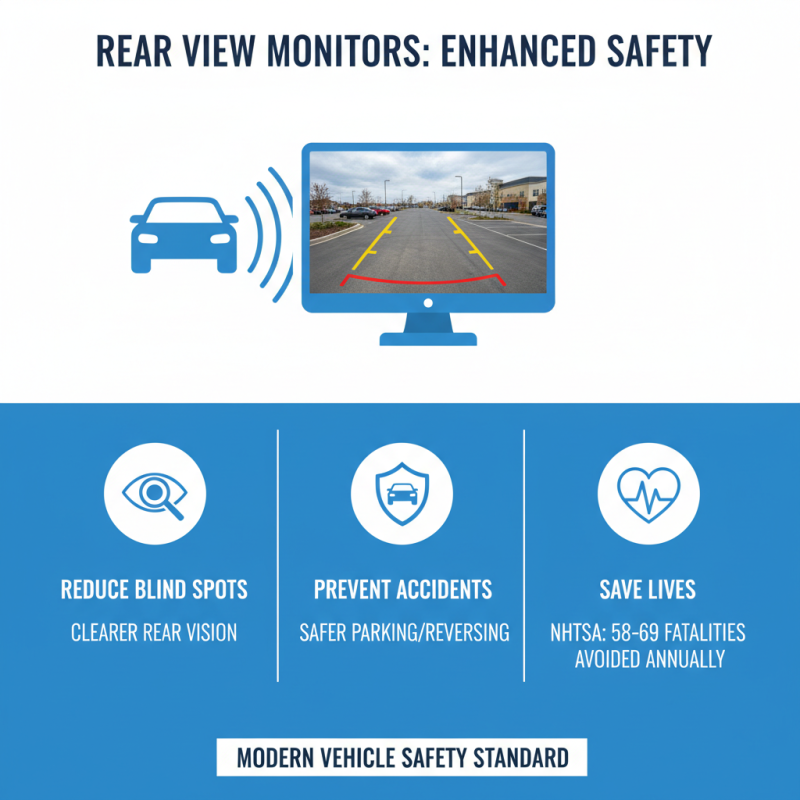
In today's fast-paced world, safety while driving has become a paramount concern for many motorists. One of the key innovations designed to enhance road safety is the Rear View Monitor. This technology not only aids in eliminating blind spots but also provides a clear view of the area behind your vehicle, making parking and reversing maneuvers significantly easier and safer. As accidents often occur during these critical moments, a Rear View Monitor proves to be an essential tool for drivers who wish to minimize risk while on the road.
Moreover, the benefits of using a Rear View Monitor extend beyond just improved visibility. With many monitors now equipped with features such as distance indicators and guidelines, drivers are empowered to make informed decisions, improving overall situational awareness. These advanced systems help to prevent collisions with pedestrians, cyclists, and other vehicles, thereby promoting a safer driving experience for everyone on the road. As we delve into the top ten benefits of utilizing a Rear View Monitor, it becomes evident that this technology is not merely an accessory but a vital component of modern driving safety.
Understanding Rear View Monitors: A Brief Overview
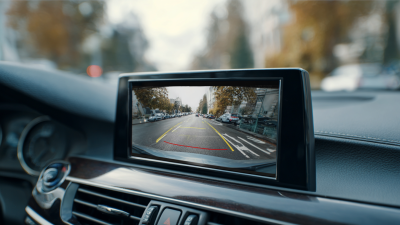
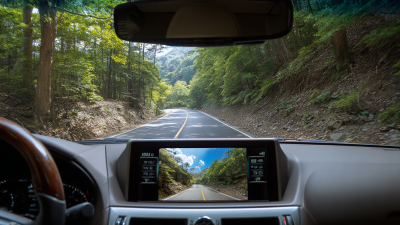
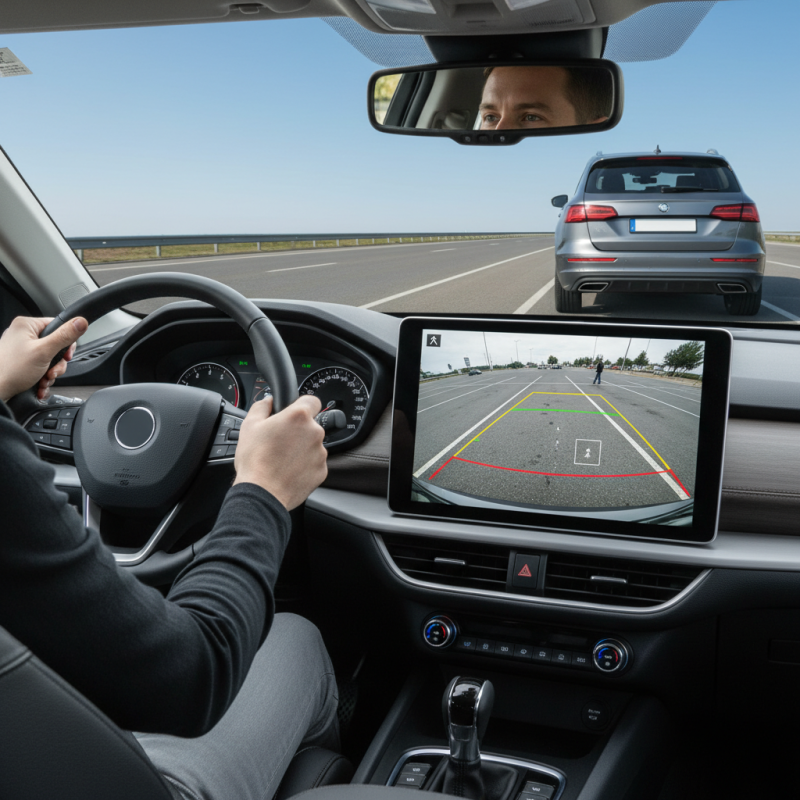
Rear view monitors are becoming an essential feature in modern vehicles, offering drivers a clear view of the area behind their vehicle. These devices typically consist of a camera mounted at the rear of the vehicle and a display screen located inside the cabin, providing real-time visuals to assist with reversing and parking maneuvers. By enhancing visibility, rear view monitors help mitigate blind spots, which can be particularly hazardous in busy urban environments or tight parking situations.
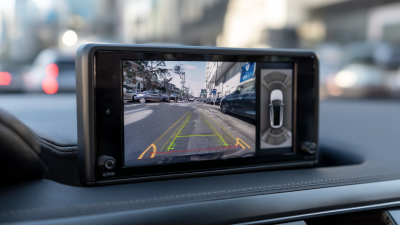
The technology behind rear view monitors has evolved significantly, incorporating advanced features such as gridlines for better distance estimation and obstacle alerts to warn drivers of potential dangers. These systems can also integrate with other safety technologies, such as parking sensors, further enhancing the overall driving experience. With the ability to see more of the environment behind the vehicle, drivers can make informed decisions, reducing the likelihood of accidents and increasing pedestrian safety.
Overall, rear view monitors play a vital role in promoting safer driving habits and helping drivers navigate their surroundings with greater confidence.
Enhanced Visibility: How Rear View Monitors Improve Driver Awareness
Rear view monitors have become increasingly prevalent in modern vehicles, primarily due to their significant contributions to enhancing driver awareness and safety. These systems provide a clear, unobstructed view of what lies behind the vehicle, reducing blind spots and allowing drivers to better assess their surroundings. According to a study by the National Highway Traffic Safety Administration (NHTSA), the implementation of rear view cameras can prevent an estimated 58 to 69 fatalities each year, emphasizing their potential to save lives by improving visibility.
Moreover, rear view monitors not only aid in avoiding collisions but also enhance the overall driving experience. Research conducted by the Insurance Institute for Highway Safety (IIHS) indicates that vehicles equipped with rear view cameras experience a 16% reduction in backing crashes compared to those without such systems. This statistic further supports the argument for the adoption of rear view monitors, as they significantly improve driver awareness when reversing, thereby increasing the safety of pedestrians, especially children, who are often at risk in parking situations. The enhanced visibility offered by these monitors equips drivers with the necessary information to make safer driving decisions, ultimately contributing to a more secure road environment for everyone.
Preventing Accidents: The Role of Rear View Monitors in Safety
Rear view monitors have become an essential feature in modern vehicles, significantly enhancing safety and preventing accidents. According to the National Highway Traffic Safety Administration (NHTSA), nearly 300 fatalities occur each year due to backover accidents, involving vehicles reversing without the driver’s knowledge of pedestrians or obstacles behind them. Rear view monitors enable drivers to detect these hidden hazards more effectively, thus mitigating the risk of such incidents. Studies indicate that vehicles equipped with rearview cameras can reduce backing crashes by as much as 16%, showcasing their considerable impact on safety.
Additionally, a report from the Insurance Institute for Highway Safety (IIHS) emphasizes that rear view monitors not only assist in navigating parking situations but also improve overall situational awareness. The visual aid provided by these monitors allows drivers to identify children, pets, or other vehicles that may otherwise go unnoticed, particularly in busy urban environments. The integration of these systems into vehicles has contributed to a broader movement towards technological advancements in automotive safety, with the IIHS finding that improved visibility can lead to a measurable reduction in accident rates. As the automotive industry continues to prioritize safety, rear view monitors emerge as a pivotal element in the mission to create safer driving conditions for everyone.
Top 10 Benefits of Using a Rear View Monitor for Safer Driving
| Benefit |
Description |
Impact on Safety |
| Enhanced Visibility |
Provides a clear view of the area behind the vehicle to avoid obstacles. |
Reduces blind spots, minimizing the risk of back-over accidents. |
| Parking Assistance |
Helps drivers park safely and accurately, especially in tight spaces. |
Decreases the chances of collisions while parking. |
| Obstacle Detection |
Alerts the driver to potential hazards when reversing. |
Enhances reaction time to unexpected obstacles. |
| Child Safety |
Allows for awareness of children and pets near the vehicle. |
Greatly reduces the risk of accident involving children. |
| Night Vision |
Improves visibility in low-light conditions while reversing. |
Decreases accidents caused by poor visibility at night. |
| Increased Awareness |
Keeps drivers informed about their surroundings. |
Promotes a safer driving environment through increased situational awareness. |
| Technology Integration |
Often integrates with other safety features like sensors and cameras. |
Enhances overall safety systems within the vehicle. |
| User-Friendly Interface |
Typically features an easy-to-use display for instant feedback. |
Facilitates quick decision-making while driving. |
| Cost Efficiency |
Reduces potential costs associated with accidents and damage. |
Allows for savings on insurance and repair expenses. |
| Peace of Mind |
Provides reassurance to drivers and passengers about safety. |
Encourages a relaxed driving experience, minimizing anxiety. |
Ease of Parking: Utilizing Rear View Monitors for Maneuvering
Rear view monitors have revolutionized the way drivers approach parking and maneuvering. One of the primary advantages of these devices is their ability to provide a clear view of the area behind the vehicle, which significantly aids in parking. When reversing, the monitor displays a live feed, giving drivers a comprehensive perspective of obstacles that may not be visible through the rearview mirror alone. This enhanced visibility not only reduces the chances of collisions but also instills greater confidence in drivers, allowing them to navigate tight spaces with ease.
Furthermore, the integration of guidelines and alerts within many rear view monitors enhances the parking experience even further. These systems often incorporate dynamic lines that adjust according to the vehicle’s path, providing real-time guidance on how to position the car accurately. This feature is particularly beneficial in crowded parking lots where space is limited. By helping drivers gauge distances and angles more precisely, rear view monitors facilitate smoother and safer parking maneuvers, ultimately leading to a more pleasant driving experience.
User-Friendly Features: Key Technologies in Rear View Monitor Systems
Rear view monitor systems have revolutionized the way drivers navigate their vehicles, enhancing safety through a range of user-friendly features. One of the essential technologies incorporated into these systems is the wide-angle lens, which significantly expands the driver's field of view. This feature helps eliminate blind spots, allowing drivers to see vehicles or pedestrians that would otherwise be obscured. Coupled with high-resolution displays, these monitors provide clear, detailed images, improving visibility not only during reverse maneuvers but also while changing lanes or parking.
Another key technology in rear view monitors is the integration of obstacle detection sensors. These sensors alert the driver to nearby objects, providing audible or visual warnings when potential hazards are detected. Some advanced systems utilize proximity indicators, which visually display the distance of obstacles, thus aiding in precise maneuvering. The combination of these features creates a more intuitive driving experience, reducing the risk of accidents and enhancing overall road safety. Moreover, many systems include night vision capabilities, allowing drivers to navigate safely in low-light conditions, further underscoring the crucial role of rear view monitors in modern vehicle safety technology.
Top 10 Benefits of Using a Rear View Monitor for Safer Driving