2026 Top Wireless Backup Camera Features You Should Know?
In recent years, the demand for Wireless Backup Cameras has surged significantly. According to a report by Markets and Markets, the global automotive camera market is projected to reach over $30 billion by 2026, reflecting a growing focus on vehicle safety technologies. These systems are essential for enhancing visibility and preventing accidents, especially in large vehicles and urban settings.
Expert Tom Rizzo, a prominent figure in automotive safety technologies, emphasizes, "Wireless Backup Cameras are revolutionizing how drivers perceive their surroundings." This statement underscores the pivotal role these cameras play in modern vehicles. With advancements in wireless technology, these cameras have become more reliable and easier to install than ever before.
Despite the advantages, challenges remain. Issues such as latency in video transmission and battery lifespan can hinder performance. As the industry evolves, consumers must stay informed about the latest features and improvements. Understanding these dynamics is crucial for anyone considering the adoption of Wireless Backup Cameras in their vehicles.

Key Features to Look for in 2026 Wireless Backup Cameras
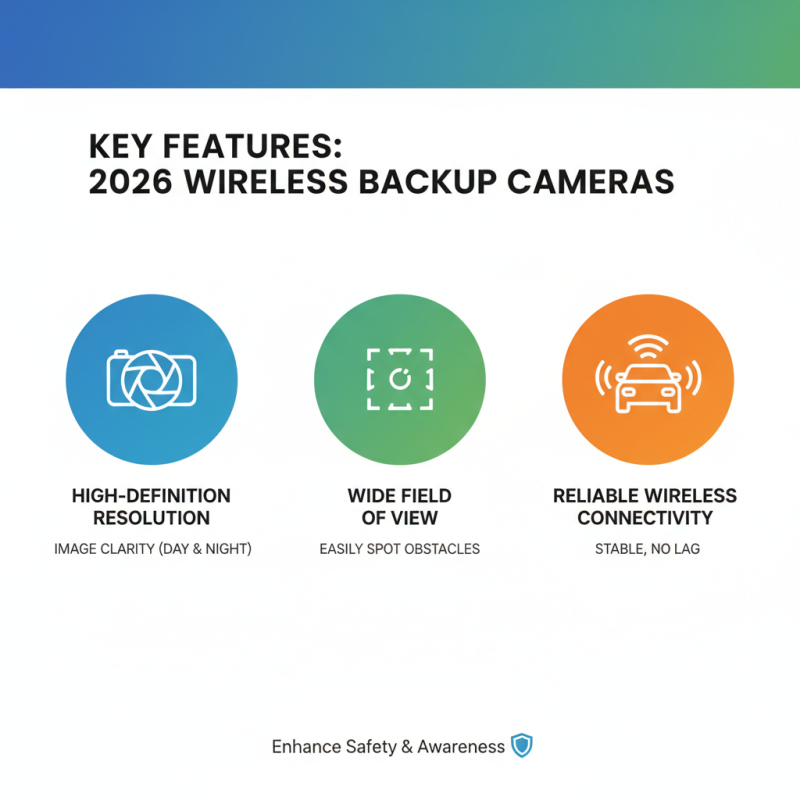
When considering wireless backup cameras in 2026, several key features stand out. First, image clarity is crucial. High-definition resolution ensures clear visuals. Whether it’s day or night, quality images can significantly enhance safety. A camera with a wide field of view allows drivers to spot obstacles easily. This feature is especially useful in busy parking lots.
Another important aspect is connectivity. Wireless options should offer stable connections without drop-offs. Some cameras also have apps for smartphones, adding convenience. Features like real-time alerts can further improve safety. These notifications help drivers stay aware of their surroundings. Additionally, durability is essential. Cameras should withstand various weather conditions.
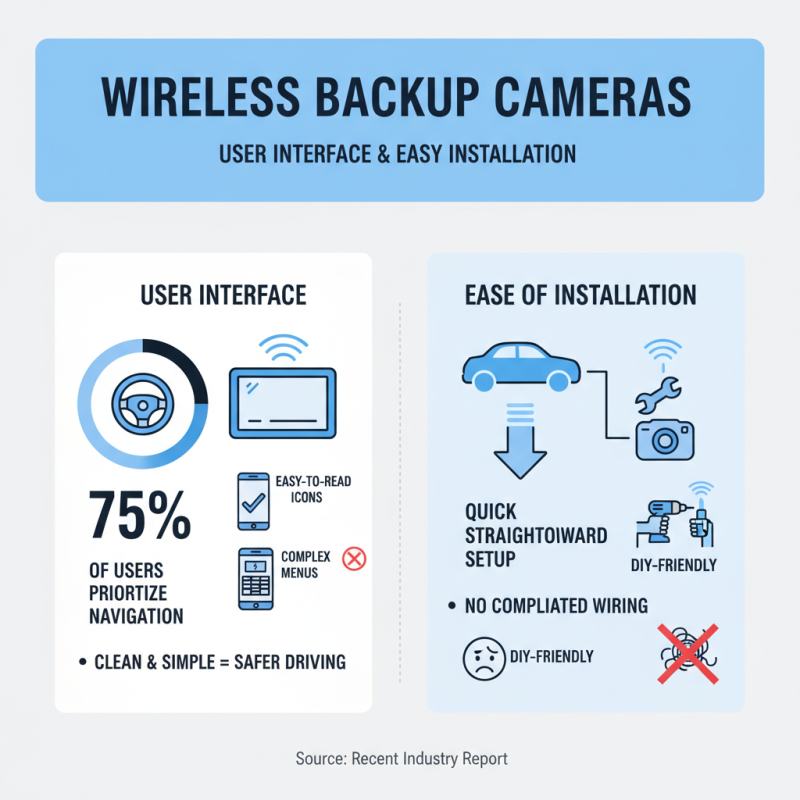
In 2026, user-friendly interfaces will matter more than ever. Intuitive controls make it easier to adjust settings on the fly. However, technology can have quirks. Some systems may experience lag or glitches. It’s important to read user feedback and stay informed. These insights can help buyers make wise choices that suit their needs.
Understanding the Importance of Wireless Technology in Backup Cameras
Wireless technology has become crucial in modern backup cameras, enhancing safety and convenience. According to the Consumer Electronics Association (CEA), over 30% of new vehicles now feature wireless backup camera systems. This trend reflects a growing trust in wireless solutions despite lingering concerns about reliability. Wireless cameras eliminate the need for cumbersome wiring, offering a cleaner installation and improved aesthetics.
But what about their performance? A study from the National Highway Traffic Safety Administration (NHTSA) indicates that wireless cameras can experience latency issues, particularly in challenging conditions. These moments can undermine a driver’s confidence, suggesting that while the technology is promising, it still has room for improvement. Quality and clarity of the video feed can also vary, depending on the camera's specifications.
Moreover, wireless backup cameras rely heavily on the strength of their signals. Interference from other devices can affect performance, which is a persistent challenge. Factors such as the distance from the receiving unit and obstacles can impact the image quality. Although many drivers appreciate the freedom of wireless systems, they should remain aware of these potential drawbacks.
Camera Resolution and Image Quality: What to Expect in 2026
In 2026, camera resolution and image quality in wireless backup cameras will take a step forward. According to industry projections, high-definition resolution will become standard. Many experts agree that 1080p will be the baseline, replacing older systems. Forward-thinking manufacturers are testing even higher resolutions, like 4K, to meet demanding consumer expectations.
Consider that approximately 60% of users prioritize image clarity when selecting a backup camera. Enhanced image quality will greatly improve depth perception and night visibility. Advanced technologies, such as HDR (High Dynamic Range), will also play a significant role. Despite these advancements, software processing remains a challenge. Users might encounter latency issues in real-time video feed.
Weather conditions can also impact performance. Rain or fog may obscure the camera's view. Therefore, while technological improvements are promising, they must be paired with rigorous quality testing. Ensuring reliability in diverse situations is crucial for safety. As developments continue, manufacturers face the ongoing task of balancing innovation with practicality for everyday users.
2026 Top Wireless Backup Camera Features You Should Know
| Feature |
Expected Specification |
Benefits |
| Camera Resolution |
1080p Full HD |
Enhanced clarity and detail in images |
| Night Vision |
Infrared Technology |
Improved visibility in low light conditions |
| Field of View |
170° Wide Angle |
Broader perspective of surroundings |
| Wireless Transmission |
2.4GHz and 5GHz |
Reduced interference and improved stability |
| Weather Resistance |
IP68 Rating |
Durability under harsh conditions |
| Storage Capacity |
Up to 64GB Cloud Storage |
Secured data and easy access |
Limitations and Considerations of Wireless Backup Camera Systems
Wireless backup camera systems offer great convenience for drivers. However, they come with notable limitations. One major concern is signal interference. Elements like weather, buildings, or even other electronics can disrupt the connection. This can lead to a loss of video feed at crucial moments, creating safety risks.
Another consideration is battery life. Wireless systems rely on batteries, and their performance can vary. A dying battery might leave you with a non-functional camera when you need it the most. Regular maintenance and checks are essential, but they can be easily overlooked.
Resolution is also an issue. Many wireless cameras do not provide the same clarity as wired systems. Low resolution can make it challenging to see obstacles or pedestrians clearly. Users should also think about installation complexity. While many systems promise easy setup, actual experiences may vary. These factors deserve careful thought before making a purchase.