2026 Top Types of Reverse Cameras for Your Vehicle Selection Guide?
Selecting the right reverse camera for your vehicle can feel overwhelming. With various options available, understanding their features is essential. A quality reverse camera enhances safety. It assists drivers during parking and reversing, reducing blind spots.
When choosing a reverse camera, consider clarity, night vision, and installation ease. Some cameras offer wide-angle views, while others focus on night conditions. Each type has its pros and cons. Not all reverse cameras are created equal.
Think critically about your needs. A basic model might suffice for city driving. For larger vehicles, a more advanced system could be necessary. Research is vital. Familiarize yourself with user reviews and expert recommendations. Balancing quality with cost is challenging, but it is crucial for a smart purchase.
Types of Reverse Cameras: An Overview of Available Options
Reverse cameras are a crucial addition to modern vehicles. They enhance safety and provide better visibility when reversing. There are several types of reverse cameras available. Each type has its own distinct features and benefits. It is essential to understand these options when selecting a camera for your vehicle.
The most common type is the standard rearview camera. This system offers a clear view of what is directly behind the vehicle. It usually displays the image on the dashboard screen. Another option is the 360-degree camera. This provides a bird’s-eye view of the vehicle’s surroundings. It can be particularly helpful in tight parking situations. Wireless cameras are also gaining popularity. They are easy to install and provide flexibility in positioning.
While these camera systems are beneficial, they are not foolproof. Users should still rely on mirrors and personal judgment. Sometimes, the camera may not capture all angles. Obstacles close to the ground can remain hidden. It’s important to stay aware and cautious while reversing. Investing in a reverse camera is wise, but understanding its limitations is equally crucial.
Features to Consider When Choosing a Reverse Camera
When selecting a reverse camera, several key features can greatly impact your decision. Image quality stands out as a primary consideration. High-resolution cameras provide clearer visuals, enhancing safety for drivers. A study by the National Highway Traffic Safety Administration reveals that high-quality cameras can reduce backing-up accidents by 16%.
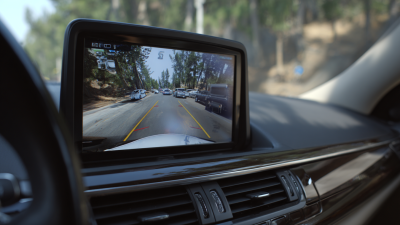
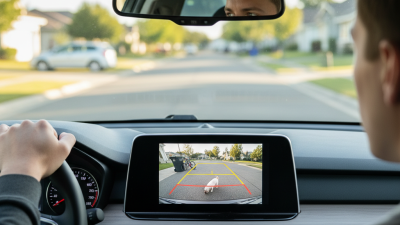
Field of view is another essential factor. A wider angle allows for a better view of obstacles. Many models offer a range from 120 to 180 degrees. This can help eliminate blind spots, promoting a safer parking experience. Additionally, some cameras include dynamic grid lines, which assist drivers in aligning their vehicles during maneuvers.
**Tips:** Look for a camera with night vision capabilities. Poor visibility can hinder performance, especially in low light. Seek out models that are weatherproof to combat harsh conditions. Lastly, consider cameras with easy installation features, reducing hassle.
Remember, while many options offer impressive specs, the best camera is one that fits your unique needs. Take time to research thoroughly. User reviews can provide insights into real-world performance, highlighting both strengths and weaknesses. Prioritize reliable brands, yet remain cautious of overly promotional claims.
2026 Top Types of Reverse Cameras for Your Vehicle Selection Guide
| Camera Type |
Resolution |
Field of View |
Night Vision |
Price Range |
| Wide Angle |
1080p |
170° |
Yes |
$100 - $200 |
| Wireless |
720p |
120° |
No |
$80 - $150 |
| 360-degree |
4K |
Full Surround |
Yes |
$300 - $500 |
| Backup Mirror |
1080p |
160° |
Yes |
$120 - $220 |
| Integrated |
1080p |
150° |
Yes |
$200 - $400 |
Comparative Analysis of Wired vs. Wireless Reverse Cameras
When choosing a reverse camera, understanding the differences between wired and wireless options is essential. Wired cameras are typically praised for their reliability. They transmit a clear, uninterrupted signal. This is crucial in avoiding lag, especially when parking in tight spaces. The stability of a wired connection can minimize issues caused by interference from nearby devices.
On the other hand, wireless reverse cameras offer convenience and ease of installation. They do not require extensive wiring, which can save time during setup. However, they can be prone to signal loss and interference, especially in urban areas. Industry reports indicate that nearly 30% of users experience connectivity issues with wireless systems, making them less trustworthy in critical situations. Environmental factors, like weather and obstacles, can worsen this reliability, leading to potential safety concerns.
Each type has its pros and cons. The choice ultimately depends on individual needs and preferences. Cost can also be a concern. Wired systems tend to be less expensive over time due to lower maintenance needs. An analysis from automotive tech insights suggests that users weigh long-term reliability against initial convenience when selecting their preferred camera system.
Popular Brands and Models of Reverse Cameras for 2026
Choosing the right reverse camera for your vehicle in 2026 is crucial for safety and convenience. Many drivers are unaware of the variety of options available. Recent industry reports indicate that over 70% of new vehicle models now come equipped with some form of reverse camera technology. This is a significant increase from previous years, highlighting the growing importance of these systems.
Popular models include those with wide-angle lenses and night vision capabilities. A wide view can help eliminate blind spots, enhancing driver awareness. Some cameras even offer smart features, such as obstacle detection and gridlines to guide parking. However, while these advancements are impressive, it's essential for users to understand how to interpret the camera feeds accurately. Misjudging distances can lead to accidents.
Tips: Regularly clean your reverse camera to ensure optimal visibility. Dust and grime can obscure images, making it harder to judge distances. Also, test the camera before long trips. Check for functionality, as malfunctions could compromise safety. Remember, while technology provides assistance, your attention is crucial. Investing in a reliable reverse camera system is worthwhile, yet remain vigilant when reversing.
Installation Tips for Optimal Performance of Reverse Cameras
When it comes to installing a reverse camera, proper setup is crucial for achieving optimal performance. Start by identifying the ideal mounting location. Typically, this is centered above the rear license plate. Ensure the camera has a clear view of the area behind your vehicle. It should be free from obstruction and debris, which can obstruct the camera's vision. Proximity to power sources is also essential. Having power close by can simplify the wiring process.
Adjusting the camera angle is another critical step. Aiming it too high or too low can result in poor visibility. Ideally, the camera should capture a balanced view of the ground and objects behind the vehicle. It's recommended to perform a test run after installation. Move your vehicle slowly backwards and observe the feed. Make adjustments as necessary until the image quality meets your needs.
Wiring can often seem daunting. For those unfamiliar with electronics, following a guide can be beneficial. However, it's important to reflect on your abilities. If the task feels overwhelming, seeking help from a professional may save you time and frustration. Good installation ensures safety while reversing, enhancing confidence in tight spots and crowded areas.