What Are the Top Agricultural Machinery Monitoring Cameras?
Modern farms depend on machines that work across dust, vibration, rain, darkness, and uneven ground. An Agricultural Machinery Monitoring Camera can make these conditions visible. It may show a blocked harvester chute, a damaged tractor attachment, or a worker standing too close to moving equipment. These details can prevent delays, reduce inspection time, and support safer daily decisions.
Professor Simon Blackmore, a respected agricultural robotics researcher, has stated, “The future of agriculture is autonomous.” His observation explains why camera selection matters. A reliable system must do more than record video. It should provide clear images, stable connections, night visibility, weather resistance, and practical storage options. Some models also add artificial intelligence, object detection, remote alerts, and multi-camera coverage. These features sound impressive. They are not always necessary.
Field experience often reveals the difference. A camera may perform well in a showroom but struggle when mud covers its lens. A wireless model may lose connection beside metal grain bins. A wide-angle view may capture more ground while making distant objects harder to identify. No camera wins everywhere.
This guide compares leading Agricultural Machinery Monitoring Camera options for tractors, combines, sprayers, loaders, and other equipment. It considers image quality, installation effort, durability, monitoring range, alert functions, and total ownership cost. The evaluation remains practical, not perfect. Farm layouts, budgets, and operating habits vary widely. A camera that suits a large grain operation may be excessive for a small mixed farm. The best choice should fit real work, not merely a specification sheet.
What Are Agricultural Machinery Monitoring Cameras?
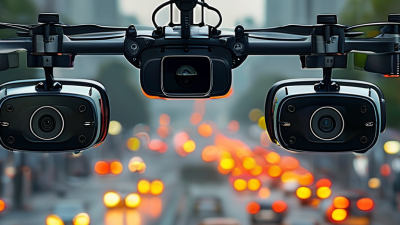
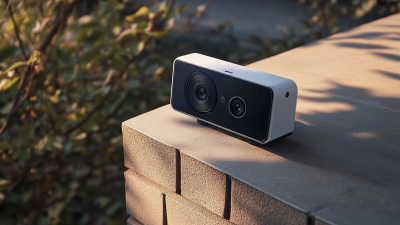
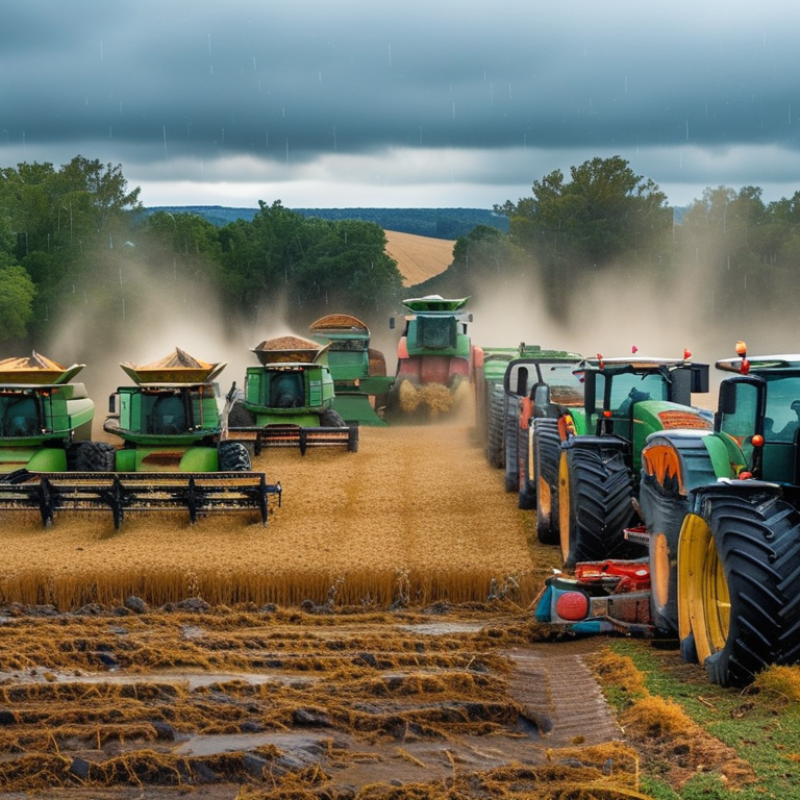
Agricultural machinery monitoring cameras are rugged vision devices mounted on tractors, harvesters, sprayers, and autonomous equipment. They show operators the implement, crop flow, rear area, and hidden ground zones. Unlike ordinary vehicle cameras, they must withstand vibration, dust, rain, mud, and rapid temperature changes. Many systems combine wide-angle lenses, infrared night vision, microphones, and real-time video transmission. Some also use computer vision to detect blocked chutes, fallen workers, obstacles, or uneven crop movement.
The right camera is not always the one with the highest resolution. Low latency matters more when reversing near a trailer. A sealed housing, heated lens, strong mounting bracket, and clear image in dust are equally important. USDA’s 2022 Census of Agriculture reported that roughly one in four U.S. farms used some form of precision agriculture. This wider adoption increases demand for cameras that connect with guidance, telematics, and fleet management systems. FAO’s 2022 State of Food and Agriculture also identified digital tools as important for improving farm efficiency, while noting uneven access and technical skills.
A camera is not intelligence by itself. A dirty lens can ruin an expensive system. Poor cable protection can create failures during harvest. Operators should test image delay, night visibility, storage security, and compatibility before installation. Field conditions remain unpredictable. That is why simple controls and clear alerts often outperform complicated features.
How Do Agricultural Machinery Monitoring Cameras Work?
Agricultural machinery monitoring cameras work as visual sensors for tractors, harvesters, and spraying equipment. A rugged camera usually mounts near the cab, rear hitch, or implement frame. It captures video through visible light and, in some systems, infrared imaging. An onboard processor then identifies movement, obstacles, people, crop rows, or unusual machine behavior. When the system detects a risk, it sends an alert to the operator’s display or a remote platform.
The best cameras combine high dynamic range, night capability, weather protection, GPS, and communication with machine control systems. Edge processing keeps basic alerts working when cellular coverage becomes weak. Cloud storage can support maintenance reviews, operator training, and incident verification. The 2022 USDA Census of Agriculture counted about 1.9 million U.S. farms operating nearly 880 million acres. That scale makes remote visibility valuable, though camera accuracy is never automatic. Dust can blur a lens. Reflections can confuse detection.
FAO’s 2022 State of Food and Agriculture describes digital automation as a tool for improving farm productivity and resilience. Monitoring cameras can support that goal by revealing blocked attachments, crop damage, or unnecessary passes. Field testing still matters. Calibration changes with sunlight, mud, vibration, and seasonal crops. A camera may detect danger late. That limitation deserves honesty. Clear lens cleaning routines, adjustable detection zones, and secure data retention make the system more dependable.
Agricultural Machinery Monitoring Cameras: Common Resolution Classes
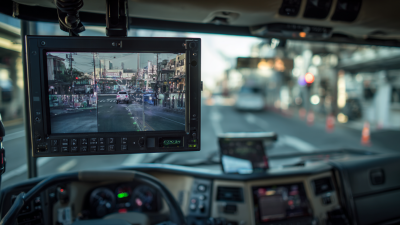
Monitoring cameras use a lens and image sensor to capture the machine’s surroundings. A processor then compresses and transmits the video to an in-cab display, recording system, or analytics software for tasks such as rear-view monitoring, obstacle detection, and implement alignment.
The chart compares standardized horizontal image widths. Actual camera performance also depends on lens angle, lighting, sensor sensitivity, mounting height, and image processing.
Which Camera Types Suit Different Farm Machines?
What Are the Top Agricultural Machinery Monitoring Cameras?
Which Camera Types Suit Different Farm Machines?
Camera selection should follow the machine’s task, not marketing claims. Tractors need rugged wide-angle cameras for rear implements, hitch points, and blind zones. IP67-rated housings resist dust and temporary water exposure.
Combine harvesters benefit from high-resolution cameras near the grain tank and discharge area. These views help detect blockages, uneven flow, and material loss. Stereo or depth cameras add distance information around headers and moving equipment. This matters during low-speed harvesting.
Sprayers require narrow-view cameras with strong glare control. Operators can inspect boom sections, nozzles, and crop edges more clearly. Thermal cameras may support night inspections, although they cannot replace visible-light detail.
Autonomous or semi-autonomous machines usually need several synchronized cameras, plus radar or lidar. Cameras alone can struggle in dust, fog, and harsh backlight. The 2024 MarketsandMarkets precision farming report projected strong growth in precision agriculture, reflecting wider demand for machine data and automation. FAO’s 2022 State of Food and Agriculture also identified digital automation as a major pathway for improving farm productivity and labor efficiency.
Tips:
Match the lens to the working distance. Test cameras at sunrise and after rain. Store footage locally when connectivity fails. Check vibration performance before full-season deployment. A perfect view does not exist. I would also review false alerts weekly, because an over-sensitive system can distract operators. Camera placement needs practical adjustment, not just a specification sheet.
How Are These Cameras Installed and Maintained?
Installation starts with the machine, not the camera. Choose a rigid, vibration-resistant point above dust clouds and moving linkages. A 2023 MarketsandMarkets report valued the agricultural robots market at USD 4.6 billion and projected USD 11.9 billion by 2028. That growth increases the need for dependable visual monitoring. Use sealed housings, locking connectors, and cables protected inside flexible conduit. Leave a small service loop.
Technicians should record the camera angle, serial number, firmware version, and field of view. Calibrate after mounting, especially when the lens watches seed placement, belts, or hydraulic arms. Poor alignment can create false alarms that resemble equipment failure. Test in daylight and darkness. Check glare after rain. FAO’s 2022 State of Food and Agriculture report links digital automation with efficiency gains. It also stresses skills and maintenance.
Inspect lenses before every intensive workday. Remove mud with clean water and a soft, lint-free cloth. Abrasive wipes can damage coatings. Review brackets, seals, connectors, and power readings weekly. Retighten carefully. Do not ignore intermittent images. They often signal moisture, vibration, or a weak connection. Maintenance logs should include weather, operating hours, faults, and corrective actions. No installation is perfect. Field conditions still defeat neat schedules.