Digital Backup Camera technology has moved from a premium feature to a practical safety system. It now supports parking, reversing, trailer alignment, and low-speed awareness. MarketsandMarkets reports that the global automotive camera market could grow from about USD 7.4 billion in 2023 to USD 12.4 billion by 2028. This represents a compound annual growth rate near 10.8%. The figures include several camera categories, not backup cameras alone. That distinction matters.
Regulation also strengthens demand. The U.S. National Highway Traffic Safety Administration required rear visibility technology in new light vehicles from May 2018. Former NHTSA Administrator Mark Rosekind described the value clearly: “Rear visibility technology will save lives, especially children.” His statement reflects a safety priority, not merely a sales trend. However, camera performance still depends on lens clarity, night exposure, image latency, wiring quality, and screen integration.
China has become a significant manufacturing base for these systems. Its suppliers serve passenger vehicles, commercial fleets, recreational vehicles, and aftermarket installers. Grand View Research identifies expanding vehicle electrification and advanced driver-assistance adoption as major automotive camera growth factors. Yet supplier claims can look similar on paper. Resolution alone does not prove reliability.
A useful comparison should examine factory experience, sensor sourcing, waterproof ratings, operating temperature, calibration support, certifications, and production consistency. Testing a camera at night, in rain, and beside reflective surfaces reveals more than a brochure. Some manufacturers deserve attention. Others need closer verification. This article examines China’s top Digital Backup Camera manufacturers through product capability, manufacturing strength, compliance evidence, and real-world usability.
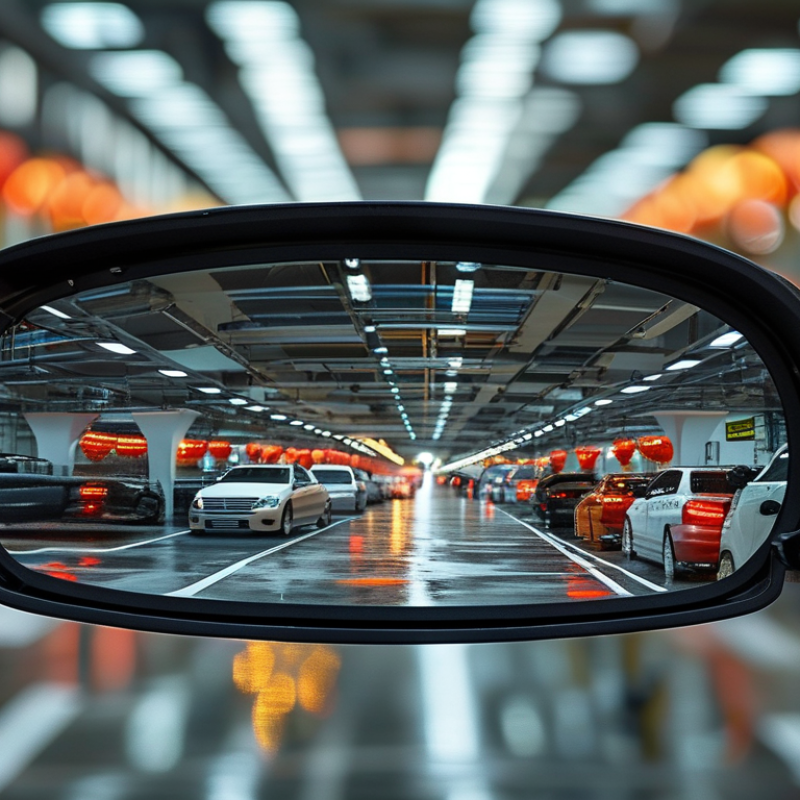
A top digital backup camera manufacturer in China is defined by more than production volume or attractive pricing. It combines optical engineering, stable electronics, and disciplined quality control. Experienced teams understand how glare, rain, dust, and night shadows affect a driver’s view. They select image sensors carefully and test camera performance in low-light workshops, not only under ideal showroom lighting.
Reliable manufacturers also control the complete production process. They inspect lenses, connectors, displays, and wiring before assembly. Each finished camera should undergo vibration, temperature, waterproofing, and signal-delay tests. Clear documentation matters too. Test records, traceable batches, and consistent inspection standards help buyers evaluate performance with confidence. A practical manufacturer can explain viewing angles, image resolution, night-vision limits, and installation requirements without hiding technical weaknesses.
Small details reveal professional experience. A connector should remain secure after repeated movement. The display should stay readable under strong sunlight. The camera image should respond quickly when reverse gear engages. Real field feedback is valuable here. However, even careful factories may miss unusual vehicle structures or extreme weather conditions. That weakness deserves honest review. Strong manufacturers improve through sample testing, customer feedback, and corrective action. They also understand regional compliance requirements and provide materials that support responsible installation. Reliability is built through repeatable evidence, not impressive claims.
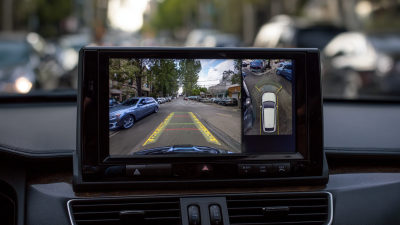
China’s leading backup camera manufacturers develop products through repeated testing, field feedback, and careful component selection. Engineers often begin with common driving problems, such as glare, rain, narrow parking spaces, and poor nighttime visibility. They compare different image sensors, lenses, cable structures, and display interfaces before approving a prototype. A clear picture matters, but stable signal transmission matters just as much.
No prototype is perfect.
Manufacturing teams use sample vehicles to test camera angles, mounting depth, and viewing coverage. They may evaluate images in bright sunlight, underground garages, heavy rain, and dusty workshops. Sealing tests help check resistance to moisture, while vibration tests reveal weak connectors or loose internal parts. These practical trials connect design decisions with real driving conditions.
Product development also depends on cooperation between engineers, quality inspectors, and installation technicians. Feedback from distributors and vehicle integrators can expose problems that laboratory tests miss. For example, a camera may perform well on a workbench but show distortion after installation on a curved rear panel. Manufacturers then adjust the lens position, housing structure, or software settings. This process takes time and sometimes creates expensive rework. That is a useful reminder: fast production cannot replace careful validation. Reliable suppliers also maintain traceable inspection records, consistent assembly procedures, and clear technical specifications for different vehicle applications.
China’s major digital backup camera manufacturers are concentrated in Shenzhen, Dongguan, Ningbo, and nearby electronics hubs. Many serve vehicle makers, fleet operators, and aftermarket distributors through OEM and ODM production. Their factories commonly combine camera assembly, cable production, display integration, and software testing under one roof. This can shorten development time. It can also make quality differences difficult to notice from product photos.
Experienced manufacturers usually offer low-light CMOS sensors, digital signal transmission, wide viewing angles, and weather-resistant housings. Some build systems with IP67 or IP69K protection, but buyers should verify test reports rather than trust a printed rating. Heat cycling, vibration testing, connector inspection, and night-time image checks reveal practical weaknesses. A clear image at noon proves little. Latency matters more when a driver reverses near a narrow loading bay.
Reliable suppliers provide traceable components, stable firmware, and documented production procedures. They should explain sensor sources, operating temperatures, warranty handling, and sample approval steps. Ask for several samples from different production batches. One sample may look excellent by accident. Factory audits are useful, although they cannot replace real vehicle testing. I would also examine glare after rain and signal performance beside metal structures. These details are often overlooked, even by experienced buyers. Some manufacturers improve quickly after feedback; others resist small corrections. That response says a great deal about long-term cooperation.
Chinese backup camera manufacturers differ widely in features, testing discipline, and finished image quality. A low price does not always indicate weak performance. Many factories offer CMOS sensors, infrared night vision, wide viewing angles, and high dynamic range. However, these features need practical verification. A camera may show a wide picture yet create noticeable edge distortion. Some models also produce delayed images during quick reversing. That delay feels small on paper, but it matters in a narrow parking space.
Experienced buyers should examine waterproof ratings, operating temperatures, cable protection, and connector sealing. Reliable manufacturers usually test cameras in heat, cold, vibration, and water spray. They also inspect image consistency across production batches. Ask for sample records, test reports, and clear warranty terms. Certification documents can support credibility, but they do not replace hands-on inspection. A screen should remain readable under direct sunlight. Night images should reveal obstacles without excessive glare or artificial brightness.
Build quality often appears in small details. The lens cover should fit evenly, and the cable should resist bending near the housing. Some Chinese factories provide flexible OEM designs, including different brackets and display interfaces. This is useful for vehicle integrators, but customization can introduce new faults. One sample may perform perfectly, while later batches show color shifts or loose connectors. No factory is flawless. Careful buyers should repeat testing after installation, not rely only on a polished sample. Price, features, and reliability must be judged together.
A brand-neutral comparison of common Chinese backup-camera manufacturer segments based on widely used product specifications, manufacturing capabilities, and quality-control practices.
| Comparison Dimension | OEM-Grade Vehicle Electronics Manufacturers | Established Professional Camera Manufacturers | Aftermarket-Focused Manufacturers | Typical Market Reference |
|---|---|---|---|---|
| Primary Customer | Vehicle manufacturers, Tier 1 suppliers, and fleet integrators | Importers, distributors, installers, and specialty-vehicle companies | Online retailers, trading companies, and price-sensitive installers | Customer requirements strongly influence engineering depth and documentation. |
| Common Camera Resolution | 720p to 1080p digital output; selected systems may support higher resolutions | 720p to 1080p digital output is common | 480p to 1080p, depending on product series and display compatibility | Resolution alone does not determine image quality; sensor performance and signal processing are also important. |
| Typical Viewing Angle | About 120° to 170° diagonal, calibrated for vehicle geometry | About 120° to 170° diagonal across different lens options | About 120° to 170° diagonal, with greater variation between models | A wider angle increases coverage but may create more edge distortion. |
| Low-Light Performance | Optimized sensor and image processing; infrared options may be available | Good low-light options are widely available; performance varies by sensor and lens | Basic low-light capability is common; night performance may vary significantly | Ask for measured lux performance or sample footage instead of relying only on marketing terms. |
| Weather Protection | Commonly specified at IP67 or IP69K for exterior applications | IP67 is common; IP68 and IP69K options are available for selected models | IP65 to IP68 is frequently advertised, but test evidence should be verified | IP ratings describe protection against dust and water under defined test conditions. |
| Operating Temperature | Often engineered around approximately -40°C to +85°C for vehicle applications | Common ranges include approximately -30°C to +80°C or wider | Typical published ranges are approximately -20°C to +70°C, depending on design | Actual performance depends on the camera housing, cable, connector, and display system. |
| Video Signal Options | Automotive digital interfaces, Ethernet-based links, or validated proprietary systems | AHD, TVI, CVI, CVBS, USB, and selected digital interfaces | CVBS, AHD, and other commonly supported aftermarket formats | The camera signal must match the monitor, head unit, cable length, and vehicle electronics. |
| Connector and Cable Design | Automotive-grade sealed connectors, shielding, and controlled cable assemblies | Waterproof connectors and customized cable lengths are commonly available | Standard connectors and preassembled cables are common; sealing quality varies | Connector sealing and cable shielding can materially affect long-term reliability. |
| Image Functions | Dynamic guidelines, image mirroring, HDR or WDR, distortion correction, and system integration | Guidelines, mirror/flip functions, WDR, parking-line adjustment, and image calibration | Basic mirror/flip, fixed guidelines, and standard image adjustment functions | Feature availability should be checked against the exact model and firmware version. |
| Vehicle Integration | High integration capability, including CAN communication, body electronics, and validation support | Integration support is commonly available for selected vehicle platforms | Usually designed for universal installation with limited vehicle-specific integration | Vehicle integration requires compatibility testing rather than a simple camera specification check. |
| Customization Capability | High: housing, lens, firmware, connectors, cable assemblies, packaging, and validation plans | Medium to high: housing, logo, cable, connector, firmware, and packaging options | Low to medium: packaging, cable length, connector type, and basic labeling | Customization normally affects tooling, minimum order quantity, lead time, and validation cost. |
| Quality-Control Process | Incoming inspection, process control, end-of-line testing, traceability, and environmental validation | Functional testing, waterproof testing, aging checks, and sample reliability testing are common | Basic functional inspection and sampling are common; depth varies by factory | Request inspection records, control plans, and test reports when quality consistency is critical. |
| Common Compliance Documentation | Automotive validation records and market-specific compliance documentation may be available | CE, FCC, RoHS, EMC, and other market documentation may be available by model | Basic CE, FCC, RoHS, or similar documents may be provided depending on the supplier | Certification should be verified for the exact product model and intended destination market. |
| Production Consistency | Generally high | Medium to high | Low to medium, depending on process control | Consistency is influenced by component sourcing, calibration, testing, and production traceability. |
| Typical Development Cycle | Several months to more than one year for vehicle-level projects and validation | Several weeks to several months for customized product programs | Several days to several weeks for standard products and packaging changes | Tooling, firmware changes, vehicle testing, and certification can extend the schedule. |
| Best Fit | High-volume vehicle programs and applications requiring long-term reliability | Commercial distribution, specialty vehicles, buses, trucks, and professional installation | Standard replacement, retail kits, and cost-sensitive universal installations | The best supplier segment depends on the required balance of price, integration, volume, and reliability. |
Evaluation note: The values shown are industry reference ranges and typical capability profiles, not claims about any specific company or brand. Exact performance should be confirmed through model-level datasheets, samples, inspection records, and application testing.
Selecting the right Chinese digital backup camera manufacturer requires more than comparing catalog prices. MarketsandMarkets estimates the automotive camera market could reach about USD 12 billion by 2029, showing strong demand and intense supplier competition. Ask for measured data, not attractive claims. Check image latency, night visibility, viewing angle, IP protection, operating temperature, and electromagnetic compatibility. In practical tests, a camera should remain clear during rain, glare, dust, and repeated reverse movements. NHTSA requires rear visibility across a defined area, including a 10-foot by 20-foot zone, for applicable vehicles in the United States. Your supplier should understand such performance expectations.
Tips: Request three production samples. Test them in darkness, direct sunlight, and water spray. Compare the same monitor and cable. Review factory records for incoming inspection, calibration, aging tests, and failure tracking. A factory audit is useful, but it cannot replace independent testing. Ask whether the manufacturer controls key components or simply assembles imported modules. Traceable serial numbers, stable firmware, and clear change-control procedures matter when products reach different vehicle platforms. Delivery history also deserves attention. A low quotation may hide tooling delays, weak packaging, or inconsistent connectors.
A polished sample can still conceal production variation. That is the uncomfortable part. Require a small pilot order before committing to volume. Measure defect rates and response time. Certifications should match your target markets, while test reports must be current and verifiable. The strongest partner communicates limits honestly, even when the answer is inconvenient. Widget customization sounds helpful, but excessive modification can create future quality problems. Choose engineering discipline over impressive showroom displays.
When selecting a Chinese digital backup camera manufacturer, compare image resolution alongside waterproofing, viewing angle, low-light performance, display compatibility, and quality-control capability. The chart shows the raw pixel count of common resolution formats and does not represent any specific company or brand.
Higher pixel counts can provide more image detail, but actual visibility also depends on lens quality, sensor performance, compression, screen resolution, and night-vision design.