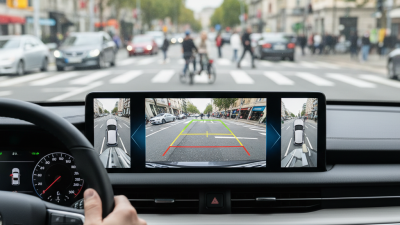
10 Best Rear View Cameras for Global Buyers?
Choosing the right Rear View Camera is no longer a minor upgrade for global drivers. It is a practical visibility decision. The World Health Organization’s Global Status Report on Road Safety 2023 reports approximately 1.19 million annual road deaths worldwide. Better visibility cannot prevent every crash, but it can reduce avoidable blind-zone risks during reversing. Small details matter. A camera may show a child, bicycle, curb, or loading trolley hidden behind the vehicle.
Regulatory experience also supports this technology. The U.S. National Highway Traffic Safety Administration requires rear visibility systems on nearly all new light vehicles under Federal Motor Vehicle Safety Standard No. 111. Its technical requirements address viewing areas, image size, response time, and system durability. These standards provide a useful reference, even when buyers operate in Europe, Asia, Africa, or Latin America. Local vehicle designs and installation rules still differ.
This guide compares ten Rear View Camera models for international buyers. We examine image clarity, night performance, viewing angle, waterproof ratings, monitor compatibility, latency, wiring, and installation difficulty. We also consider PAL and NTSC support, voltage stability, and performance in rain, dust, and direct sunlight. A wide angle is useful, but excessive distortion can hide distance. Wireless systems look convenient. Signal interference remains possible. No camera is magic. Our assessment combines manufacturer specifications, safety guidance, and practical installation concerns. Some rankings may change as firmware, vehicle interfaces, and regional availability evolve. That uncertainty deserves attention. A reliable choice should deliver a clear image at dusk, survive vibration on rough roads, and remain useful after months of everyday driving—not merely look impressive on a product page.
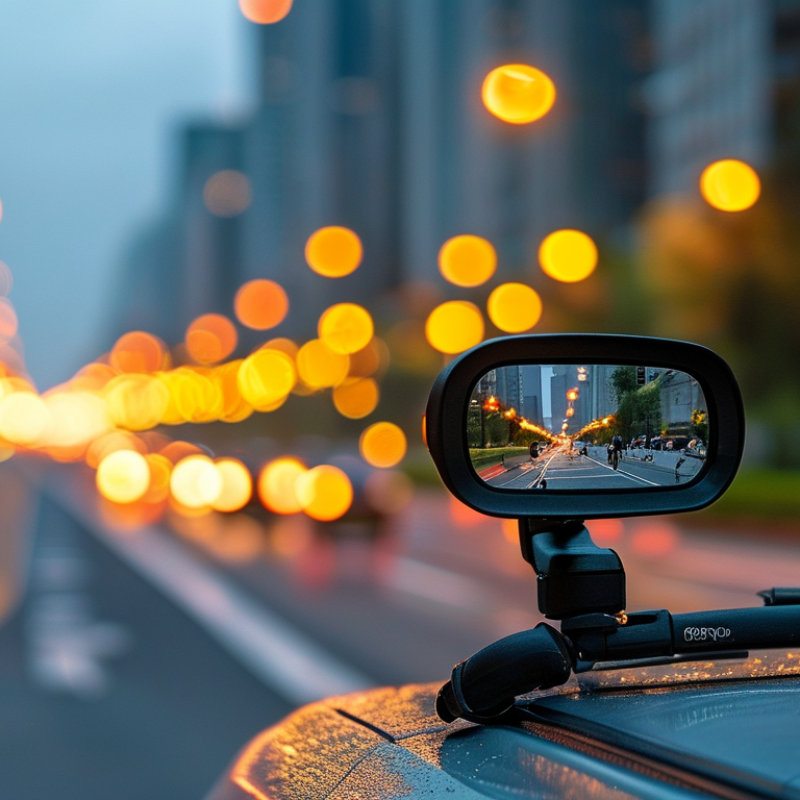
What Rear View Cameras Are and How They Work
10 Best Rear View Cameras for Global Buyers?
What Rear View Cameras Are and How They Work
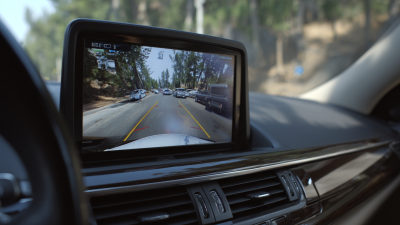
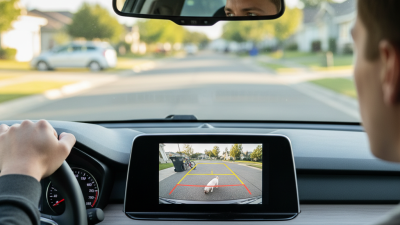
A rear view camera is a small imaging device mounted near a vehicle’s rear license area or tailgate. It captures the space behind the vehicle and sends a live image to an interior display. Most systems activate when reverse gear is selected, using a trigger signal from the vehicle. Some cameras also remain active during parking or low-speed maneuvering.
The image usually comes from a CMOS sensor, a wide-angle lens, and infrared or low-light support. A clear camera should show nearby obstacles, pavement edges, and moving people without excessive distortion. Weather resistance matters because rain, dust, heat, and road salt can weaken poor housings. Installation quality matters too. Loose wiring may create flickering images or delayed signals. That small delay can be dangerous.
Tips: Check the viewing angle, night performance, cable length, and display compatibility before buying. Test the camera in daylight and darkness. Do not trust guide lines completely; they may not match the vehicle’s actual path. I once assumed a wider image was always better, but heavy distortion made distance harder to judge. A balanced view is usually more useful. Buyers in different regions should also confirm voltage requirements, connector types, and local installation standards. A dependable rear view camera supports careful driving; it does not replace mirrors, direct observation, or proper attention.
10 Best Rear View Cameras for Global Buyers? - What Rear View Cameras Are and How They Work
| No. |
Camera Type |
Typical Resolution |
Viewing Angle |
Night Visibility |
Weather Protection |
Transmission Method |
Best Application |
| 1 |
License-Plate Camera |
720p–1080p |
120°–170° diagonal |
Infrared or low-light LED assistance |
Usually IP67 |
Wired composite video or AHD |
Cars and light commercial vehicles |
| 2 |
Tailgate-Mounted Camera |
720p–1080p |
120°–150° diagonal |
Low-light sensor with optional infrared LEDs |
IP67 or IP68 |
Wired video cable |
Pickup trucks and hatchbacks |
| 3 |
Wireless Digital Camera |
720p–1080p |
110°–150° diagonal |
Digital low-light imaging |
Commonly IP65–IP68 |
Encrypted digital wireless link |
Vehicles where cable routing is difficult |
| 4 |
360-Degree Surround-View Camera |
720p–1080p per camera |
Typically 180° fisheye per unit |
Low-light support; depends on calibration |
Exterior cameras commonly IP67 |
Multi-camera wired system |
Large vehicles and parking assistance |
| 5 |
High-Definition AHD Camera |
1080p–1440p |
120°–170° diagonal |
Improved detail in low-light conditions |
Usually IP67 or IP68 |
AHD coaxial video connection |
Vehicles with compatible monitors or recorders |
| 6 |
Low-Light CMOS Camera |
720p–1080p |
100°–150° diagonal |
Enhanced CMOS sensitivity; infrared may be included |
IP67 is common |
Analog or digital wired connection |
Night driving and poorly lit parking areas |
| 7 |
Trailer and Caravan Camera |
720p–1080p |
120°–150° diagonal |
Infrared or digital night mode |
IP67 or higher recommended |
Long-range wired or digital wireless link |
Trailers, caravans, and towable equipment |
| 8 |
Bus and Truck Camera |
720p–1080p |
90°–130° diagonal |
Infrared illumination for dark areas |
IP67–IP69K options available |
Wired video over an extended cable run |
Commercial fleets and heavy vehicles |
| 9 |
Flush-Mount OEM-Style Camera |
720p–1080p |
120°–170° diagonal |
Low-light color imaging |
Typically IP67 |
Wired composite, AHD, or digital video |
Factory-style installations and discreet mounting |
| 10 |
Dual-Lens Rear Camera |
1080p per lens or combined HD output |
80°–150° per lens |
Separate near-field and long-range views |
IP67 or IP68 |
Wired or digital wireless connection |
Vehicles needing both close parking and distant traffic views |
How rear view cameras work: A rear-facing image sensor captures the area behind the vehicle, processes the video signal, and sends it to a compatible monitor, infotainment display, recorder, or wireless receiver. Most systems activate automatically when reverse gear is selected. Viewing angle, mounting height, camera tilt, lighting, cable quality, and monitor compatibility all affect the final image.
Key Features to Compare Before Buying
When comparing the 10 best rear view cameras for global buyers, start with image clarity and viewing angle. A 170-degree lens can reveal children, bicycles, and low posts near the bumper. However, a wider image may create noticeable edge distortion. I once trusted a wide-angle screen too much and misjudged a narrow driveway.
Night performance matters more than impressive daytime color. Look for infrared support, balanced exposure, and low image delay. A bright screen is useful, but adjustable brightness prevents glare after sunset. Check whether the camera supports your vehicle’s video format, such as PAL or NTSC. Compatibility problems can produce a blank or unstable display.
Durability deserves careful attention. An IP67-rated housing can resist dust and temporary water exposure, while a strong mounting bracket reduces vibration on rough roads. Wired systems usually offer steadier signals, but installation takes more time. Wireless systems are easier to fit, yet nearby electronics may cause interference. Test the signal with the engine running. Do not rely only on the product description.
Parking guidelines should be adjustable, not permanently fixed. Factory lines may not match your vehicle’s width or turning path. Confirm the camera’s voltage range and connector type before ordering internationally. Local installation requirements can also differ. I still prefer a simple system with clear instructions over a feature-heavy model that requires guesswork. Some specifications look impressive, but real performance depends on mounting height, cable quality, weather, and screen placement.
The 10 Best Rear View Cameras for Global Buyers
The 10 Best Rear View Cameras for Global Buyers
Choosing among the 10 best rear view cameras requires more than checking screen size. Buyers should examine image clarity, night performance, weather resistance, viewing angle, and installation quality. A useful camera shows the bumper edge and nearby ground without excessive distortion. This detail matters in narrow parking spaces.
The U.S. National Highway Traffic Safety Administration estimated that improved rear visibility could prevent 58 to 69 deaths and 15,000 injuries each year. Its rear visibility rule also established practical performance expectations for passenger vehicles. Buyers should therefore prefer systems with stable image transmission, low-light support, and clear distance markings. The European New Car Assessment Programme also evaluates reversing assistance within broader safety testing, reinforcing the value of reliable rear awareness.
Weather conditions expose weak designs quickly. Look for an ingress protection rating such as IP67, sealed connectors, and a lens that resists water spots. A wide-angle view helps, but extreme distortion can hide a child-sized object near the vehicle.
Wireless systems reduce cable routing, yet interference may create delayed images. Wired installation is often steadier. Not always easier.
Professional fleet experience suggests testing the camera at dawn, in rain, and under direct headlights. A 2023 automotive camera market report from MarketsandMarkets identified rising demand for driver-assistance cameras, but market growth does not guarantee equal product quality. I would question exaggerated “night vision” claims. Specifications need real-world verification. A dependable rear view camera should support careful driving, not replace mirrors, sensors, or direct observation.
Installation, Compatibility, and Regional Requirements
10 Best Rear View Cameras for Global Buyers?
Installation, Compatibility, and Regional Requirements
Choosing among the 10 best rear view cameras requires more than comparing image resolution. Confirm the vehicle voltage first. Many passenger cars use 12 volts, while some commercial vehicles use 24 volts. Check the monitor’s input type, connector, and supported video standard before ordering. A camera can look excellent online yet fail with an incompatible display.
Installation is often easier when the camera replaces a license-plate light or mounts above the rear door. Keep the lens away from exhaust heat and direct spray. Route cables through a sealed rubber grommet, then test the reverse trigger before securing panels. Measure twice. I once ignored cable length and created a sharp bend near the hatch hinge. The picture worked, but the cable later failed. That was avoidable.
Regional requirements also affect a practical shortlist. Some markets commonly use different video formats, while others expect specific plate-light positioning or rear visibility angles. Vehicles with left-hand and right-hand steering may need different viewing perspectives. Local inspection rules can also limit screen placement, illumination, or wireless equipment. Verify these details with an installer or relevant transport authority. Water resistance matters in rainy coastal areas, while cold regions demand flexible cables and reliable seals. Dynamic parking guidelines are useful, but they may not match every vehicle’s turning path. Test them on the ground. Don’t trust assumptions.